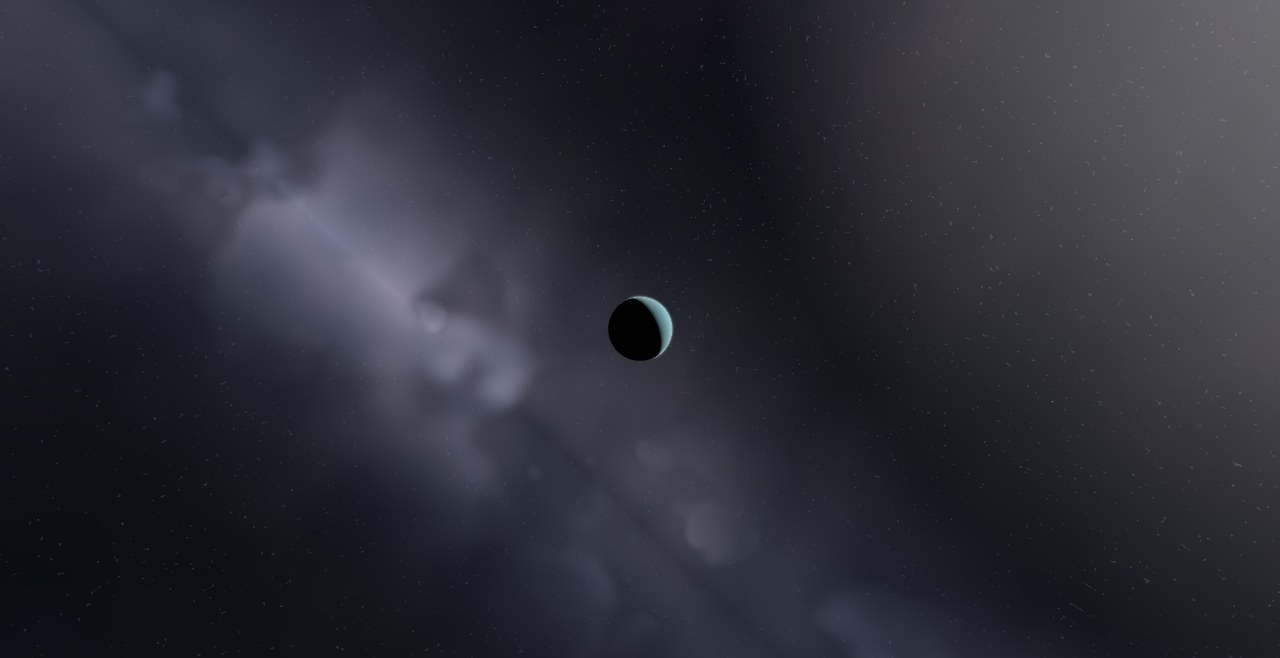
Kepler-559 - System
Kepler-559, a Sun-like G-type star of 0.96 solar masses, and Kepler-559 b, a planet with 3.6 Earth radii, with an orbital period of 17.6 days.
3D Space and Gravity Simulator. Simulate the solar system, exoplanets and even colliding galaxies. Add, delete and modify planets, and change the laws of physics.
Share
Kepler-559, a Sun-like G-type star of 0.96 solar masses, and Kepler-559 b, a planet with 3.6 Earth radii, with an orbital period of 17.6 days.
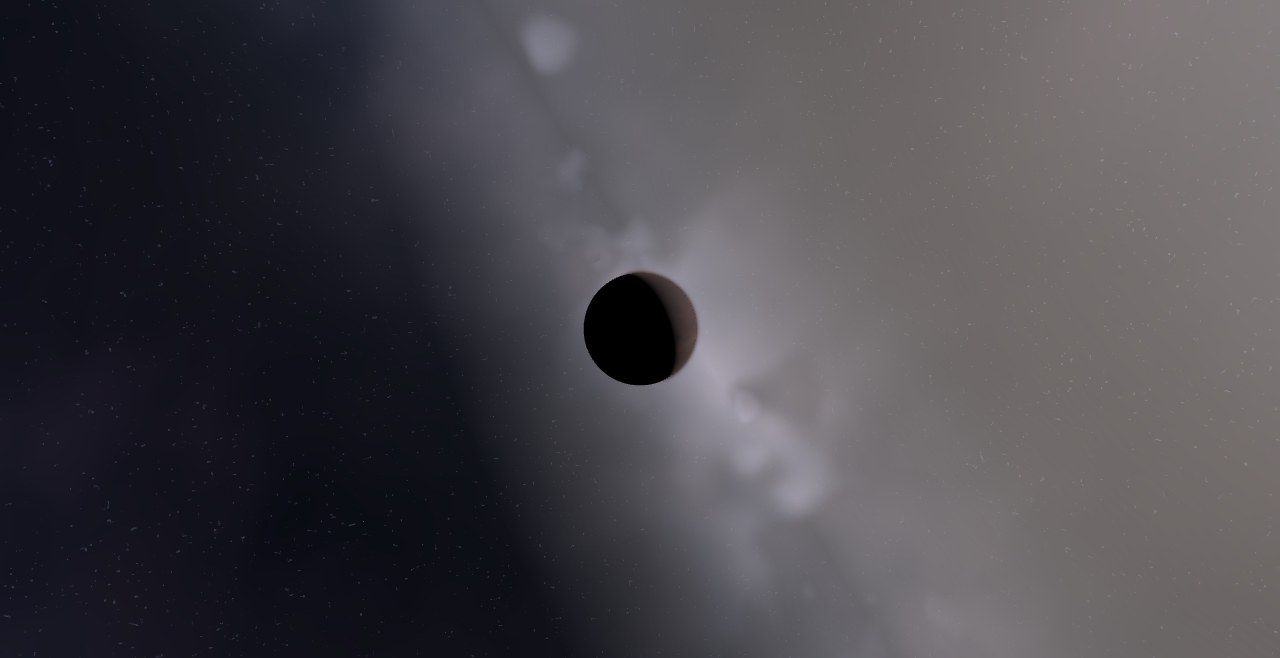
Kepler-56, the first multi-planet system found tilted relative to its star. The planets share a plane that is tipped against the stellar equator.
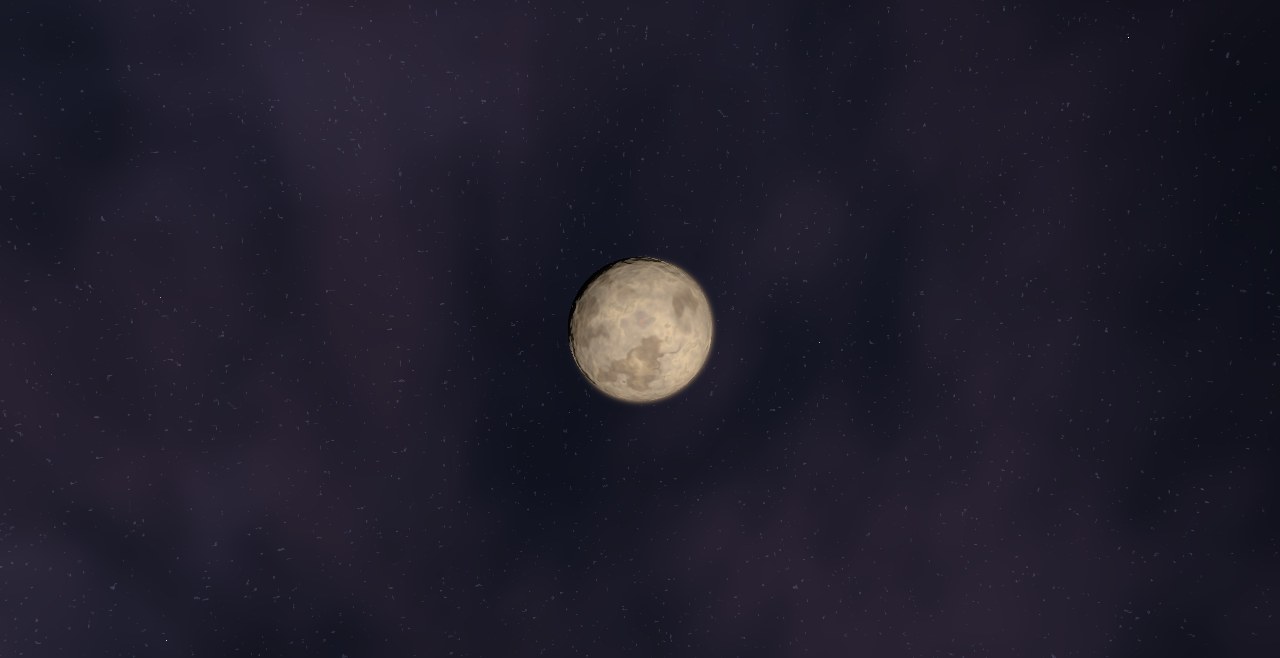
Kepler-560, a cool M-dwarf of 0.34 solar masses, and Kepler-560 b, a planet with 1.7 Earth radii, with an orbital period of 18.5 days.
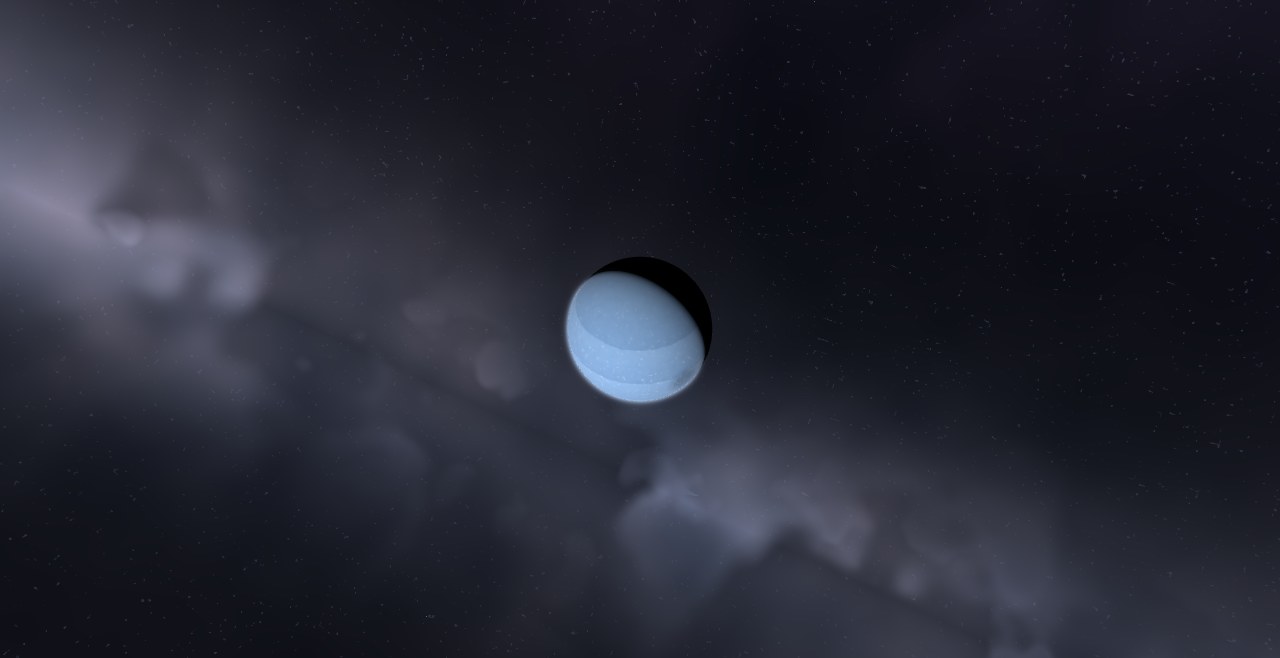
Kepler-561, a Sun-like G-type star of 0.96 solar masses, and Kepler-561 c, a planet with 2.7 Earth radii, with an orbital period of 5.4 days.
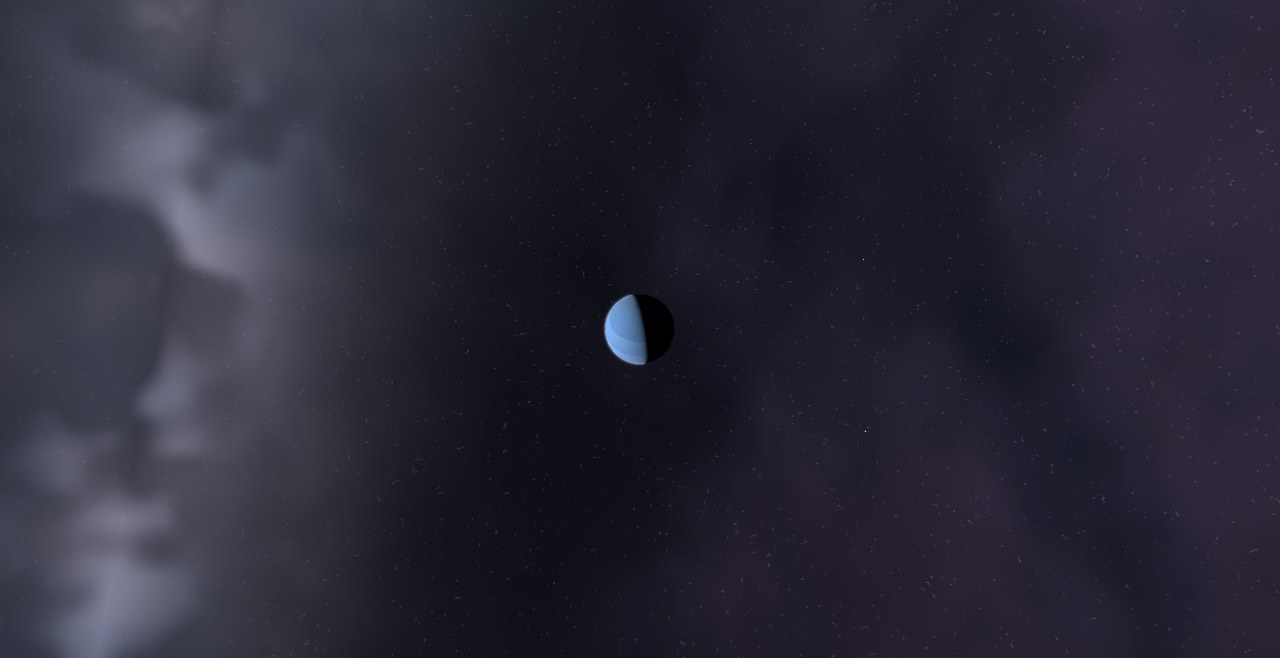
Kepler-562, a Sun-like G-type star of 0.93 solar masses, and Kepler-562 b, a planet with 5.2 Earth radii, with an orbital period of 18.0 days.
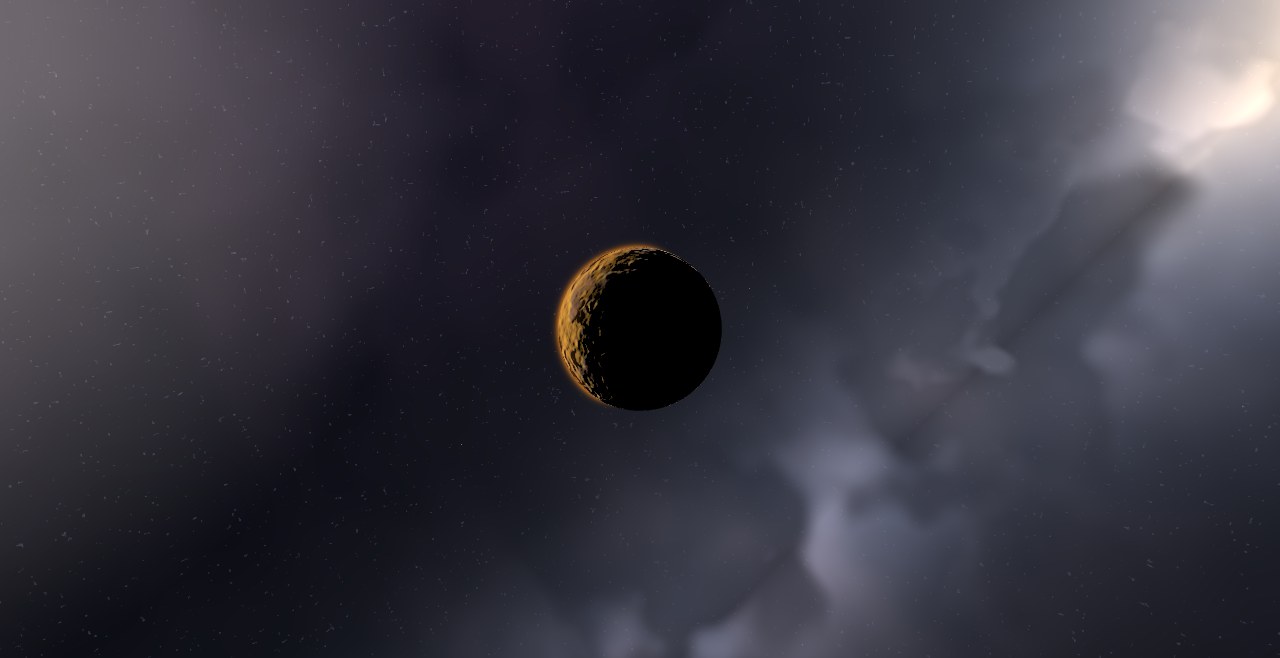
Kepler-563, an orange K-type dwarf of 0.80 solar masses, and Kepler-563 b, a planet with 3.1 Earth radii, with an orbital period of 22.2 days.
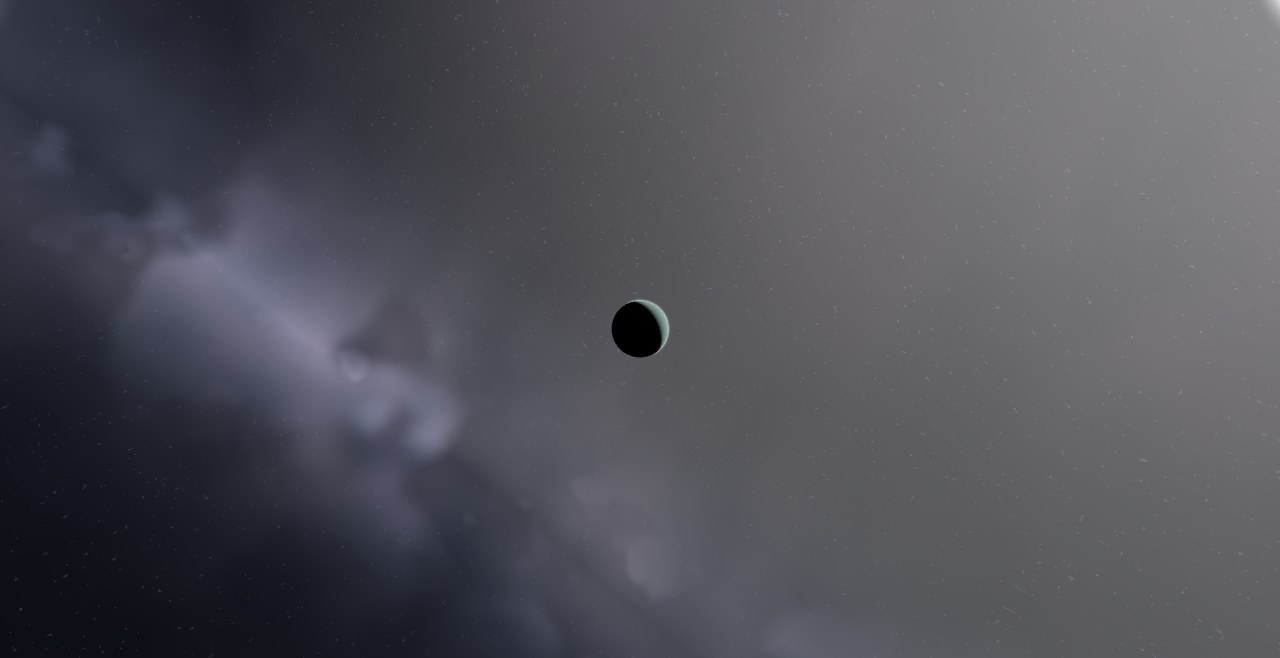
Kepler-564, a Sun-like G-type star of 0.95 solar masses, and Kepler-564 b, a planet with 4.6 Earth radii, with an orbital period of 3.8 days.
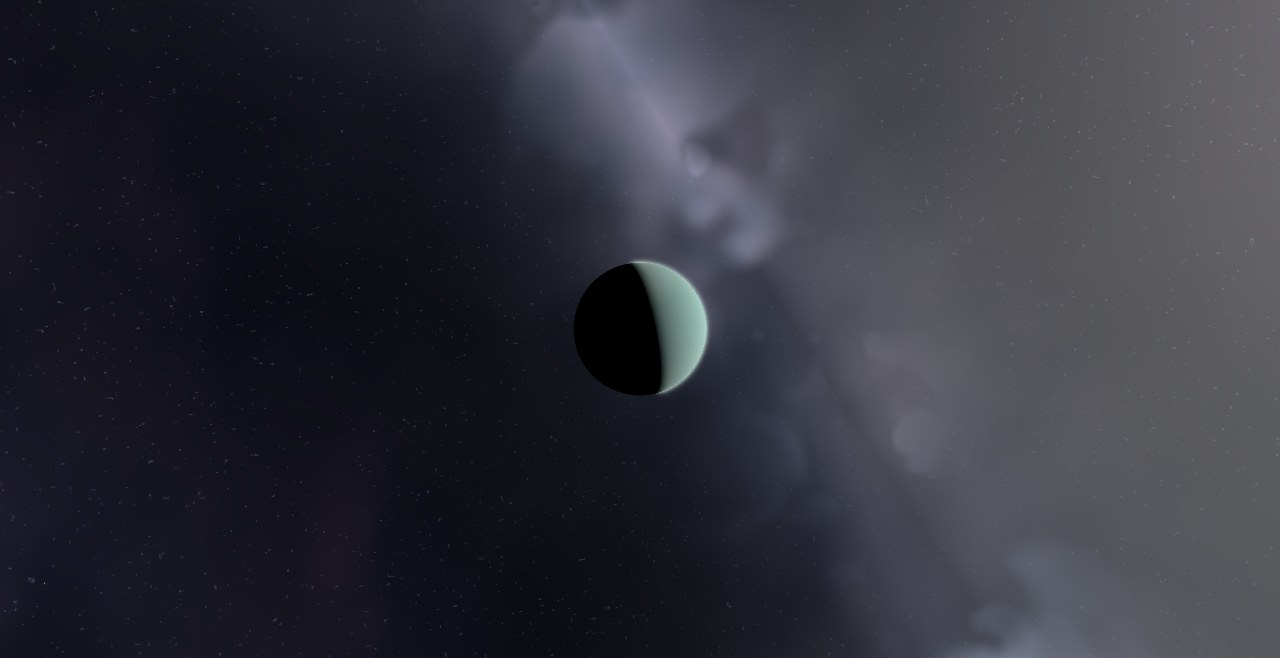
Kepler-565, a Sun-like G-type star of 0.98 solar masses, and Kepler-565 b, a planet with 3.6 Earth radii, with an orbital period of 4.2 days.
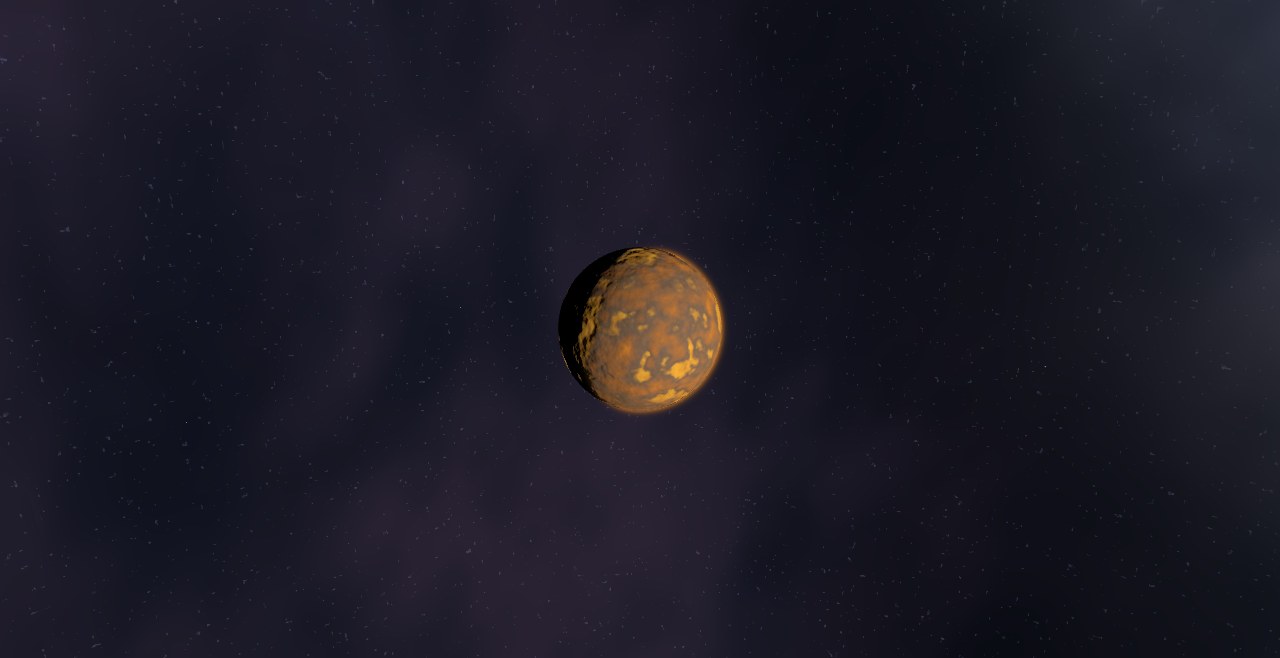
Kepler-566, an orange K-type dwarf of 0.83 solar masses, and Kepler-566 b, a planet with 2.1 Earth radii, with an orbital period of 18.4 days.
Kepler-567, an orange K-type dwarf of 0.84 solar masses, and Kepler-567 b, a planet with 2.3 Earth radii, with an orbital period of 16.5 days.
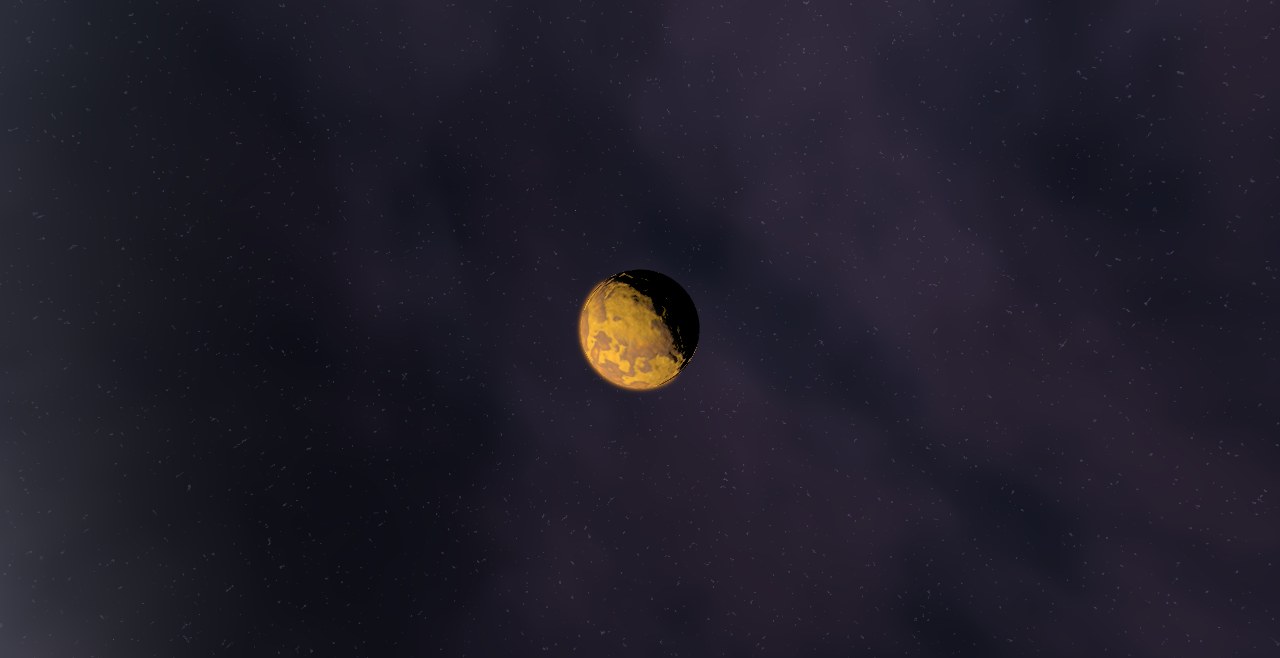
Kepler-568, an orange K-type dwarf of 0.55 solar masses, and Kepler-568 b, a planet with 2.3 Earth radii, with an orbital period of 11.0 days.
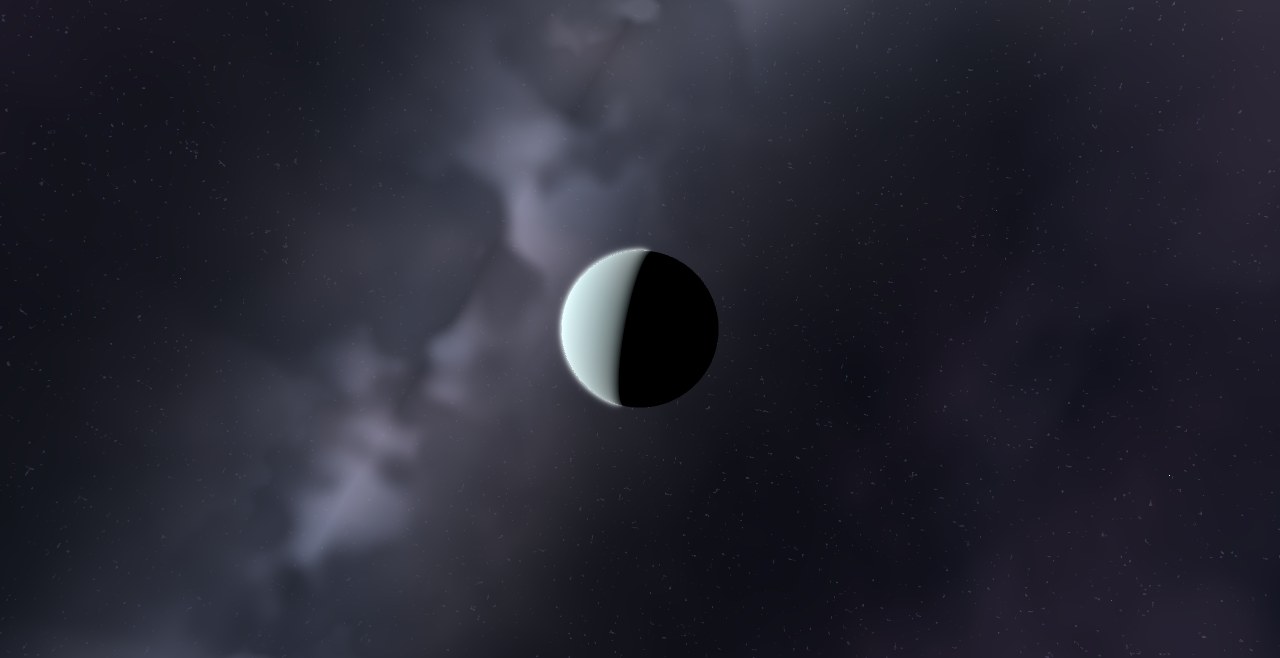
Kepler-569, a Sun-like G-type star of 0.95 solar masses, and Kepler-569 b, a planet with 3.2 Earth radii, with an orbital period of 34.2 days.
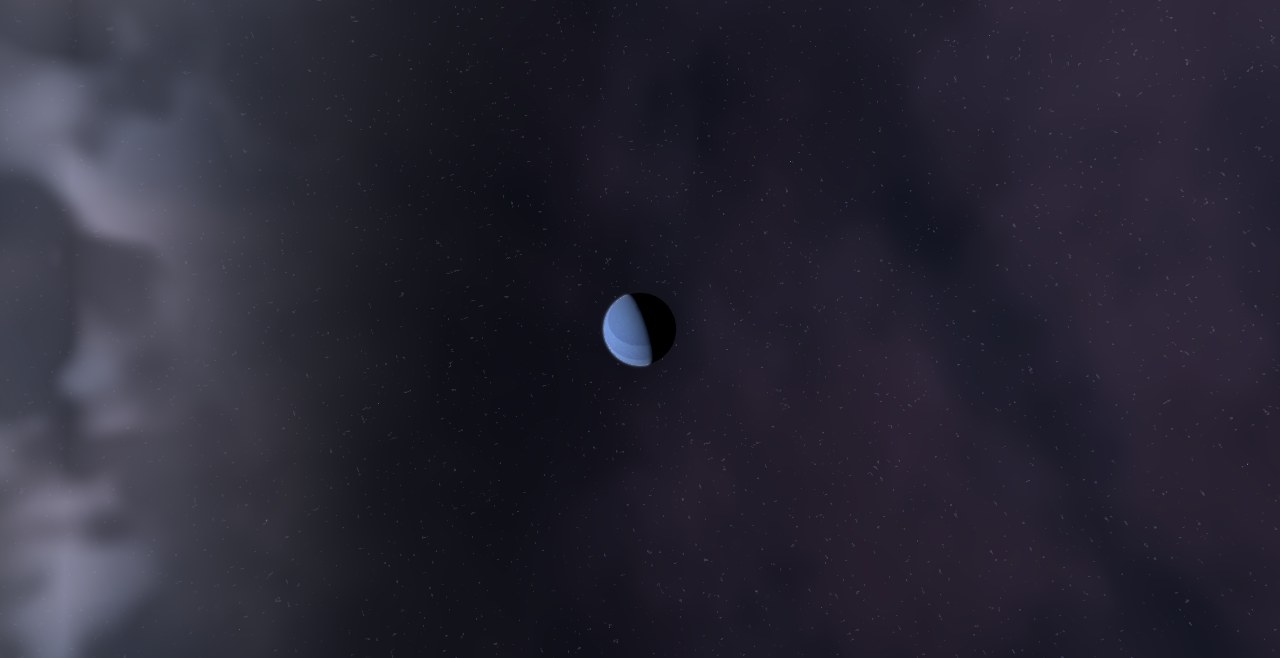
Kepler-57, an orange K-type dwarf of 0.86 solar masses, and Kepler-57 b, a 0.08-Jupiter-mass companion, with an orbital period of 5.7 days.
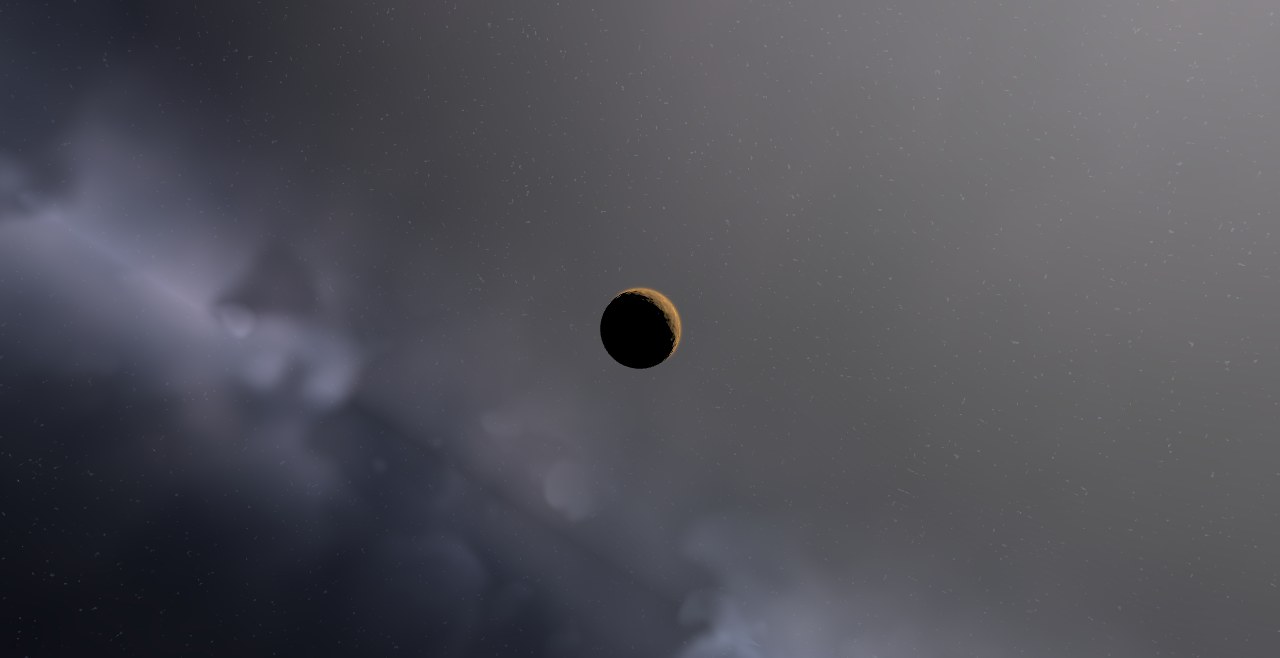
Kepler-570, a Sun-like G-type star of 0.93 solar masses, and Kepler-570 b, a planet with 2.5 Earth radii, with an orbital period of 4.3 days.
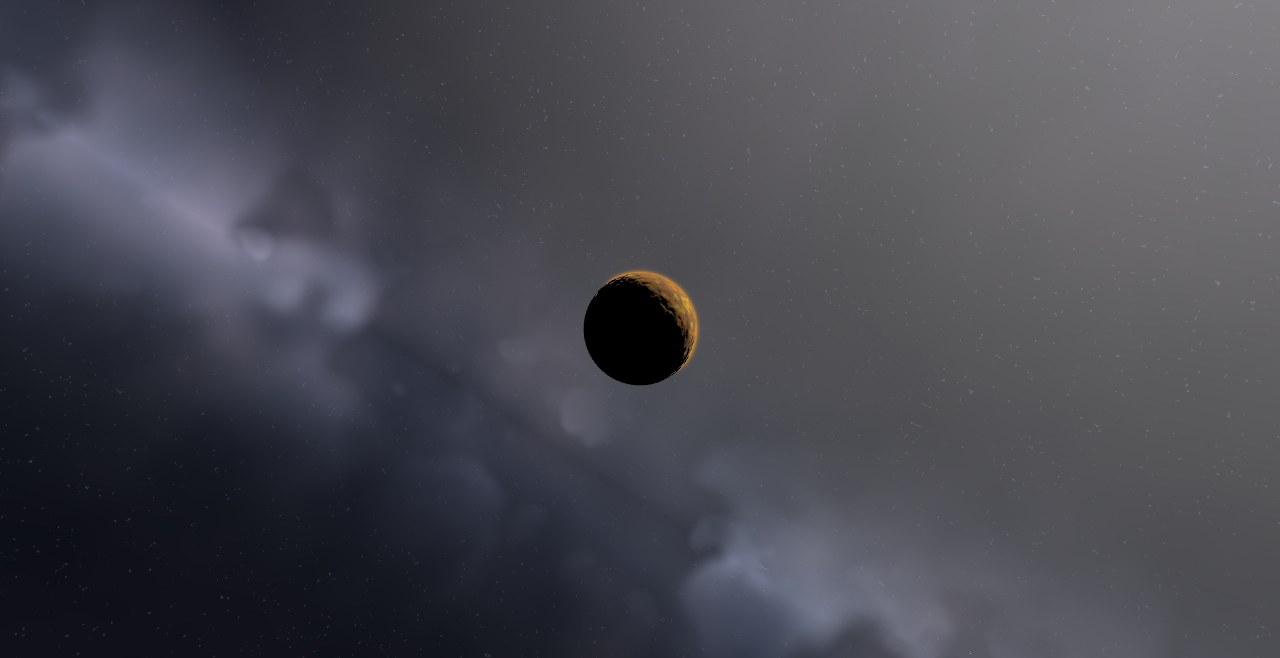
Kepler-571, a Sun-like G-type star of 0.93 solar masses, and Kepler-571 b, a planet with 2.6 Earth radii, with an orbital period of 4.8 days.
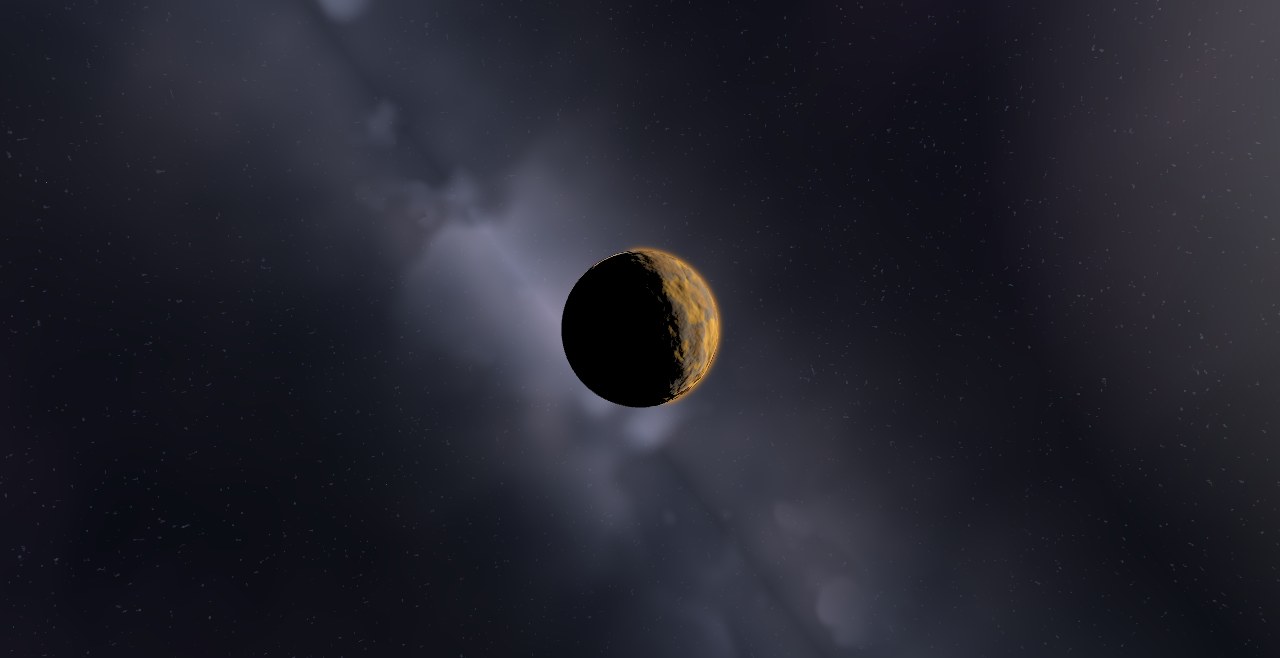
Kepler-572, a Sun-like G-type star of 0.83 solar masses, and Kepler-572 b, a planet with 2.6 Earth radii, with an orbital period of 17.2 days.
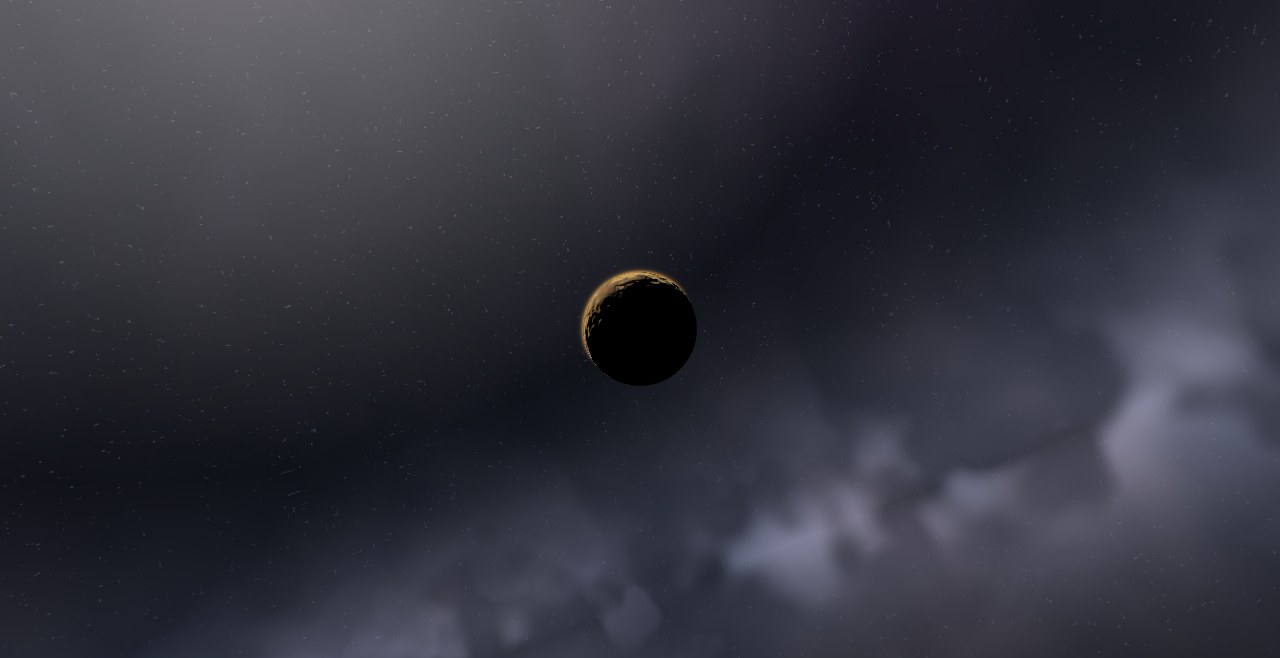
Kepler-573, a Sun-like G-type star of 0.99 solar masses, and Kepler-573 b, a planet with 2.8 Earth radii, with an orbital period of 22.2 days.
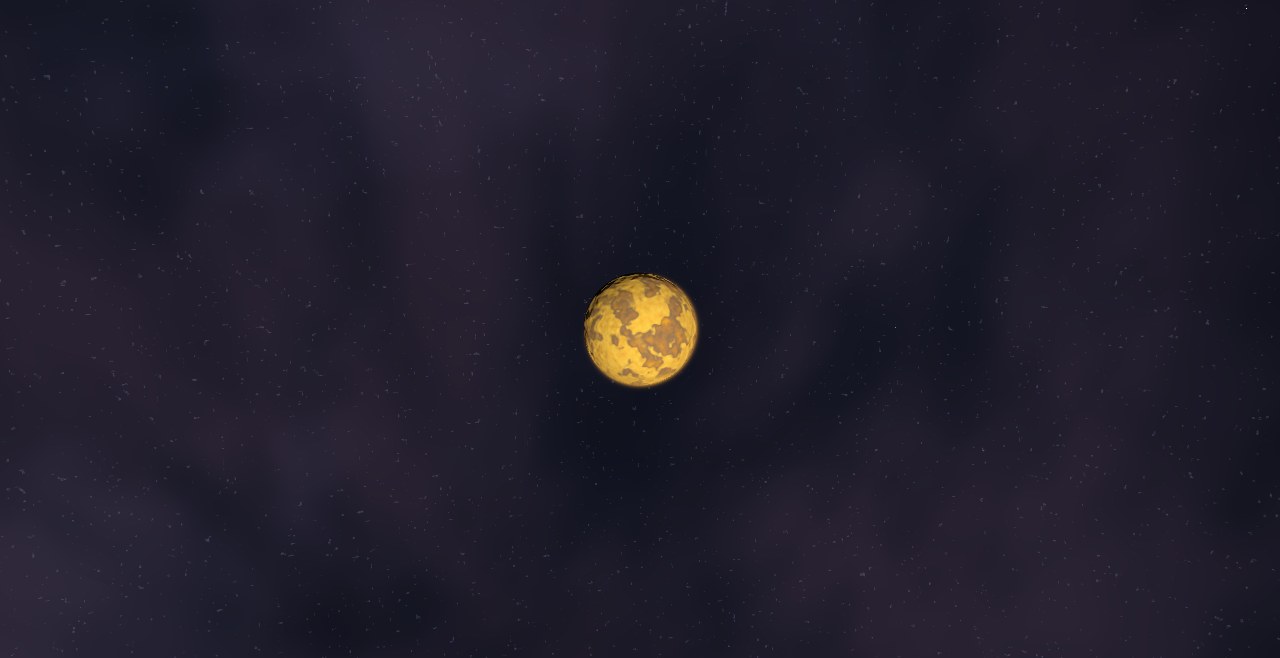
Kepler-574, a Sun-like G-type star of 0.95 solar masses, and Kepler-574 b, a planet with 2.4 Earth radii, with an orbital period of 7.7 days.