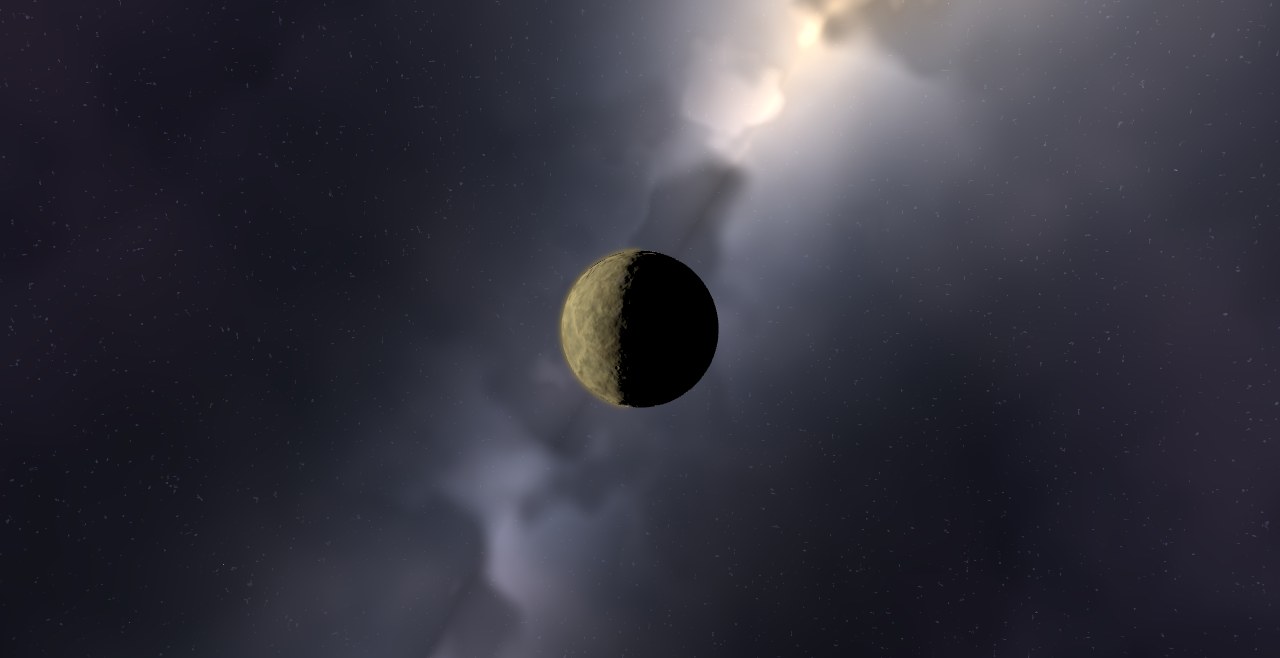
Kepler-1632 - System
Kepler-1632, a Sun-like F-type star of 1.12 solar masses, and Kepler-1632 b, a planet with 2.5 Earth radii, with an orbital period of 1.23 years.
3D Space and Gravity Simulator. Simulate the solar system, exoplanets and even colliding galaxies. Add, delete and modify planets, and change the laws of physics.
Share
Kepler-1632, a Sun-like F-type star of 1.12 solar masses, and Kepler-1632 b, a planet with 2.5 Earth radii, with an orbital period of 1.23 years.
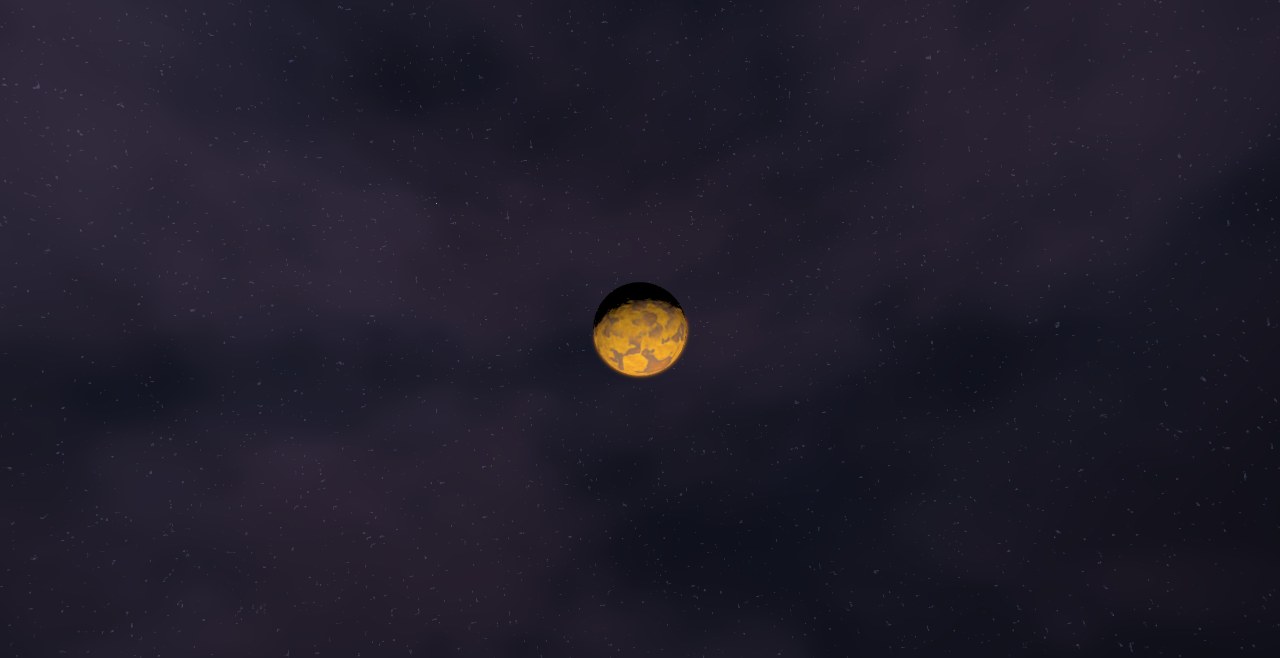
Kepler-1633, a Sun-like F-type star of 1.20 solar masses, and Kepler-1633 b, a planet with 1.6 Earth radii, with an orbital period of 186 days.
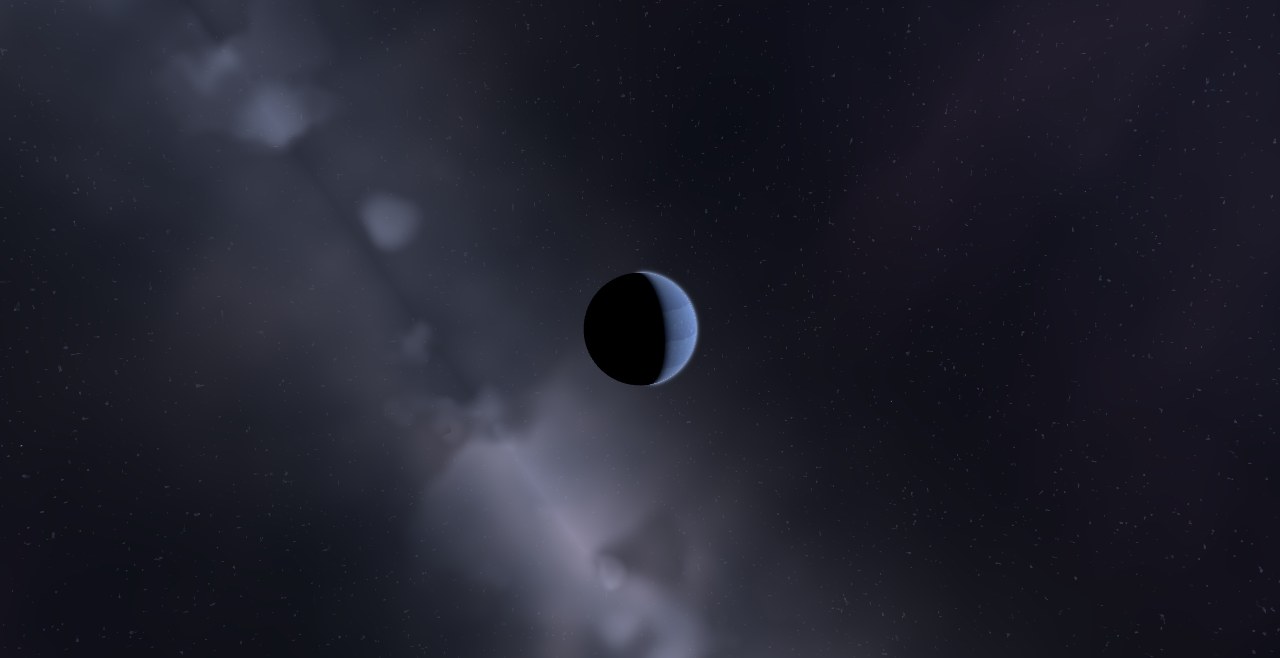
Kepler-1634, a Sun-like G-type star of 0.92 solar masses, and Kepler-1634 b, a planet with 3.2 Earth radii, with an orbital period of 1.03 years.
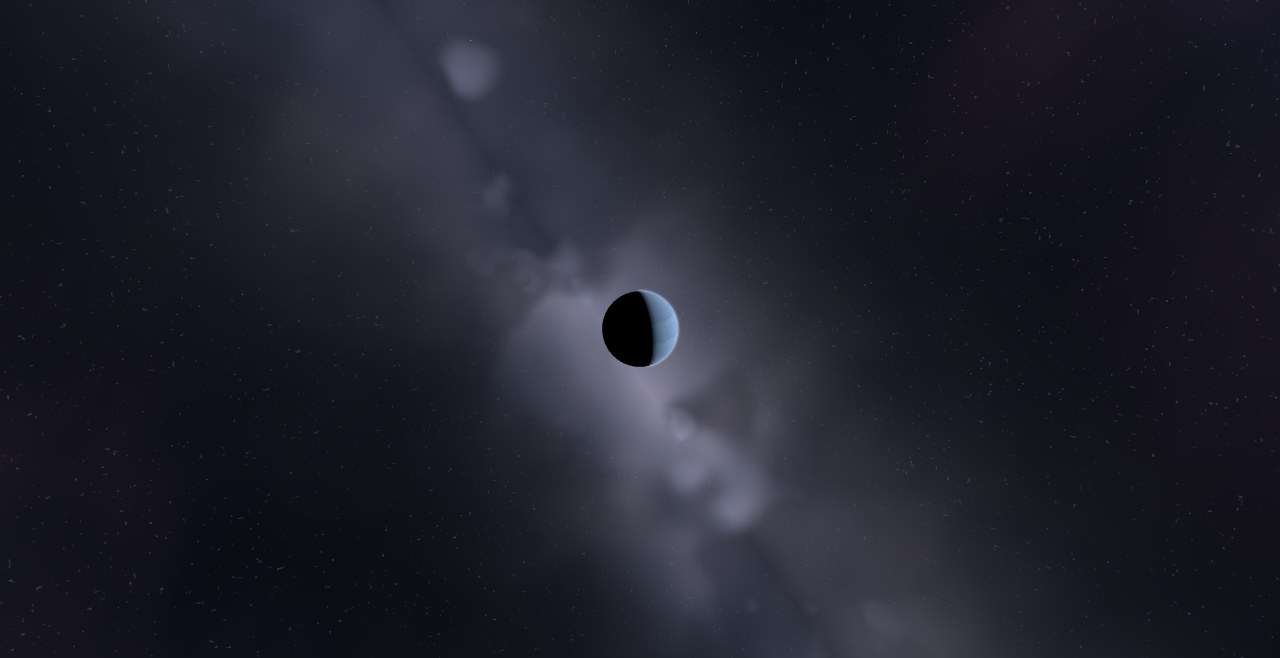
Kepler-1635, a Sun-like G-type star of 0.89 solar masses, and Kepler-1635 b, a planet with 3.6 Earth radii, with an orbital period of 1.29 years.
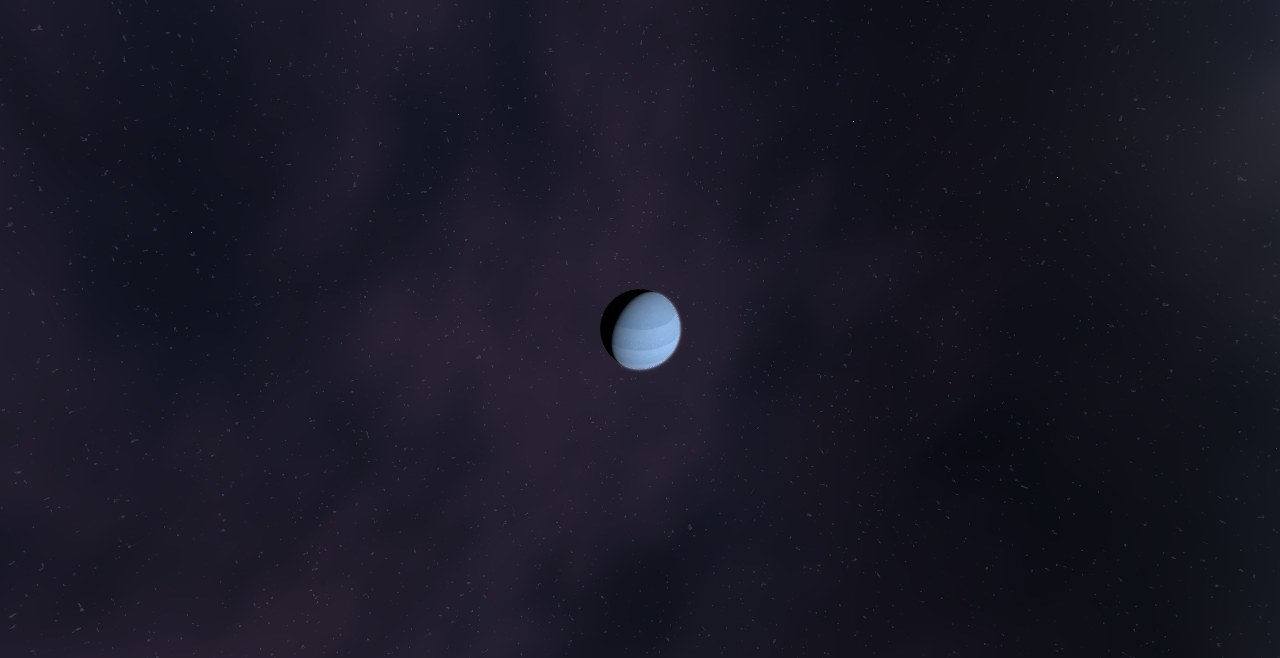
Kepler-1636, a Sun-like G-type star of 1.01 solar masses, and Kepler-1636 b, a planet with 3.2 Earth radii, with an orbital period of 1.16 years.
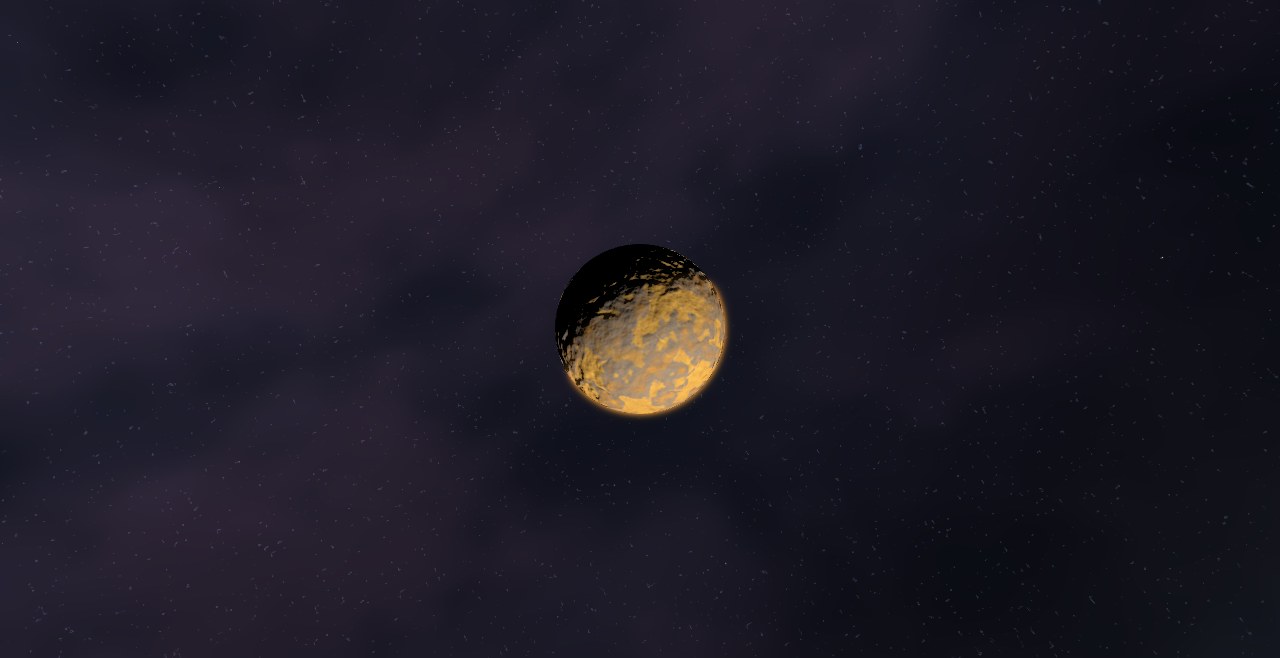
Kepler-1637, a Sun-like G-type star of 1.02 solar masses, and Kepler-1637 b, a planet with 0.9 Earth radii, with an orbital period of 6.1 days.
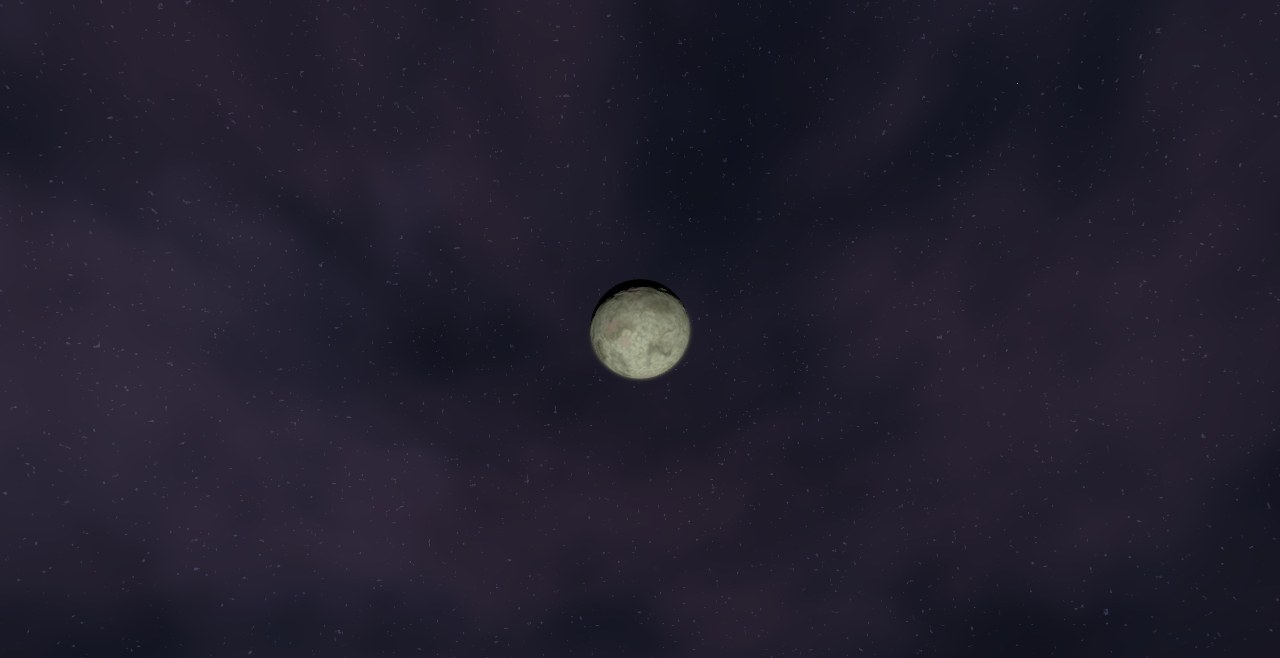
Kepler-1638, a Sun-like G-type star of 0.97 solar masses, and Kepler-1638 b, a planet with 1.9 Earth radii, with an orbital period of 259 days.
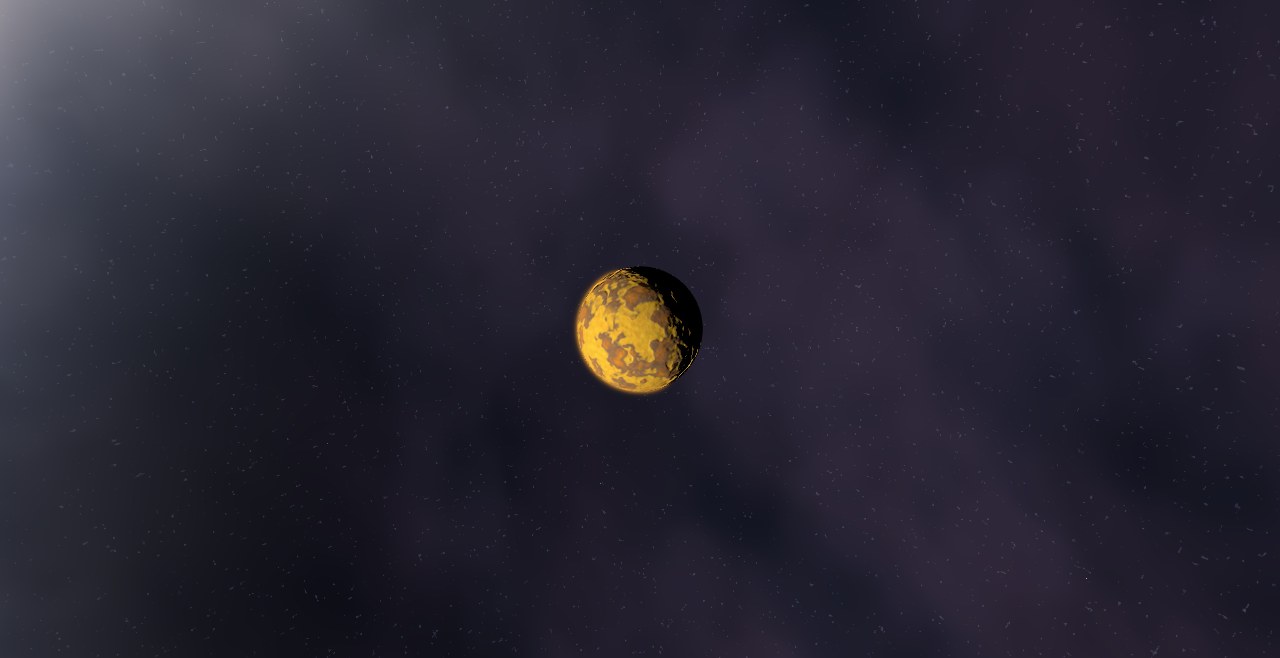
Kepler-1639, a Sun-like F-type star of 1.12 solar masses, and Kepler-1639 b, a planet with 2.6 Earth radii, with an orbital period of 9.9 days.
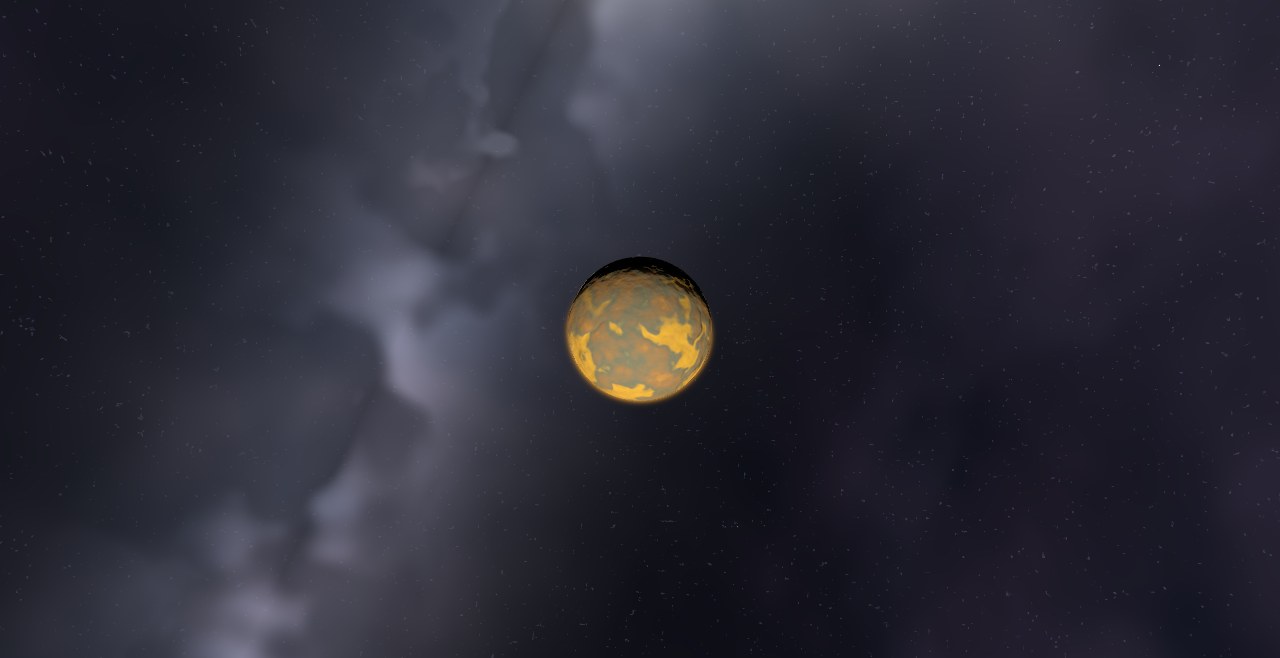
Kepler-164, a Sun-like G-type star of 0.97 solar masses, and Kepler-164 b, a planet with 1.4 Earth radii, with an orbital period of 5.0 days, at 0.058 AU from its star.
Kepler-1640, a Sun-like F-type star of 1.27 solar masses, and Kepler-1640 b, a planet with 4.8 Earth radii, with an orbital period of 7.6 days.
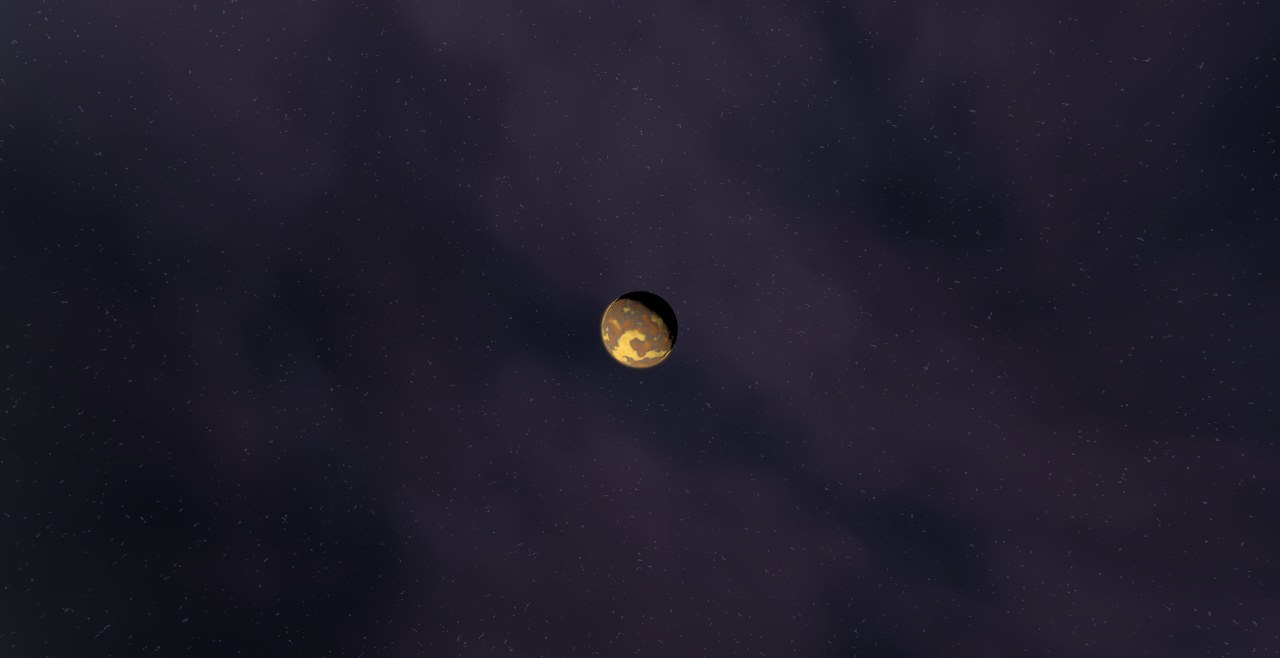
Kepler-1641, a Sun-like F-type star of 1.12 solar masses, and Kepler-1641 b, a planet with 3.1 Earth radii, with an orbital period of 19.7 days.
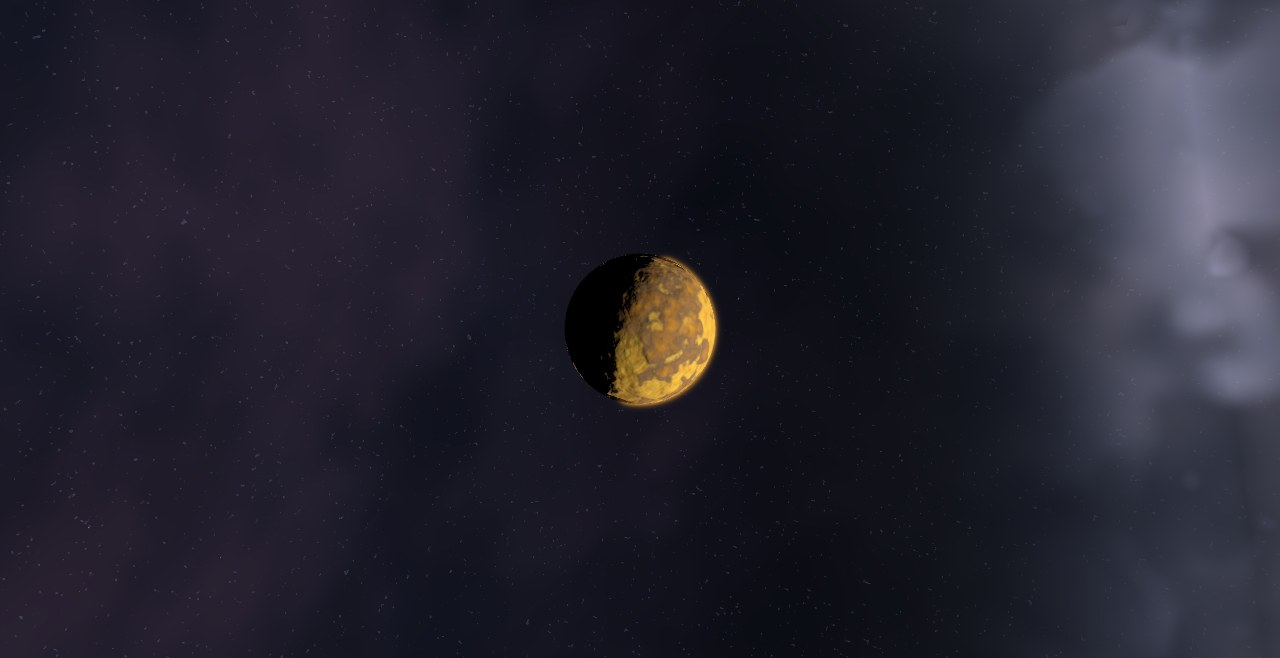
Kepler-1642, a Sun-like G-type star of 0.88 solar masses, and Kepler-1642 c, a planet with 2.7 Earth radii, with an orbital period of 6.7 days.
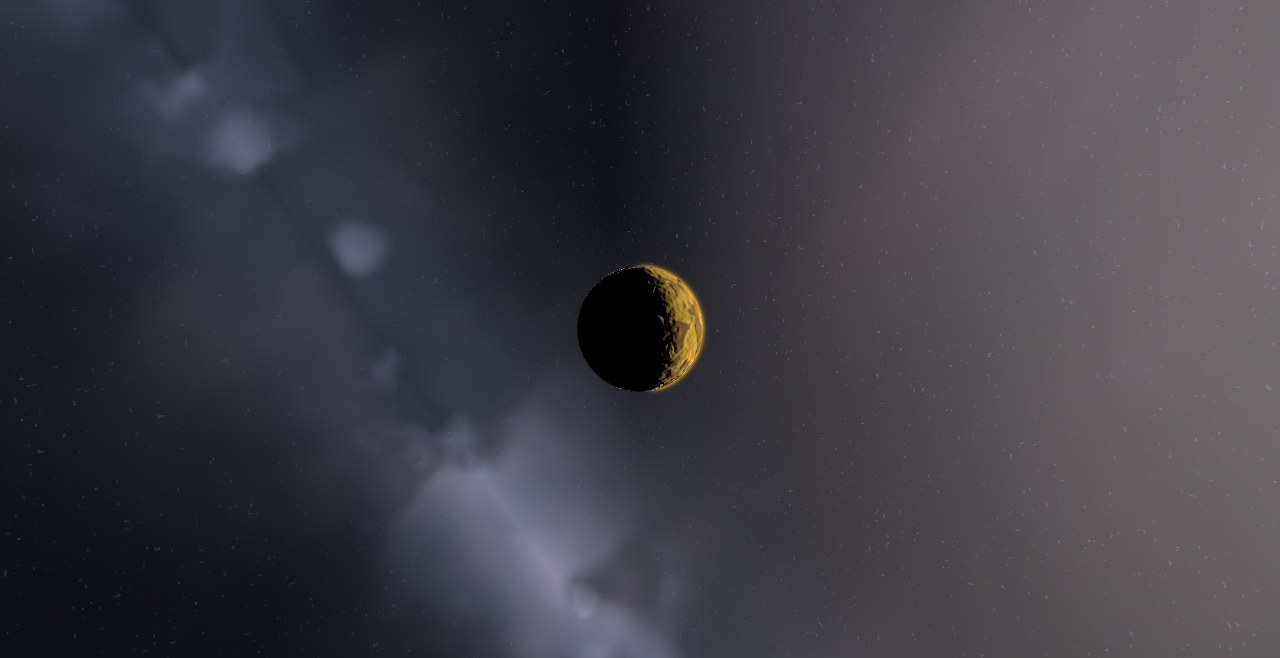
Kepler-1643, an orange K-type dwarf of 0.84 solar masses, and Kepler-1643 b, a planet with 2.3 Earth radii, with an orbital period of 5.3 days.
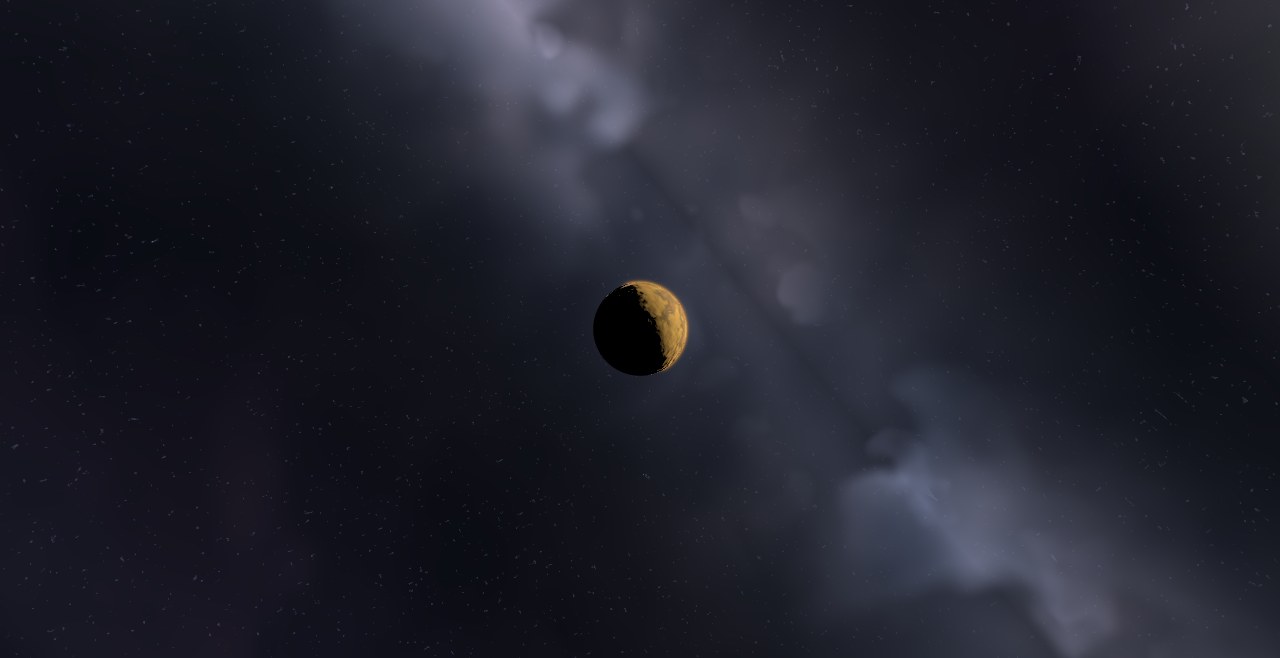
Kepler-1644, a Sun-like G-type star of 0.89 solar masses, and Kepler-1644 b, a planet with 1.9 Earth radii, with an orbital period of 21.1 days.
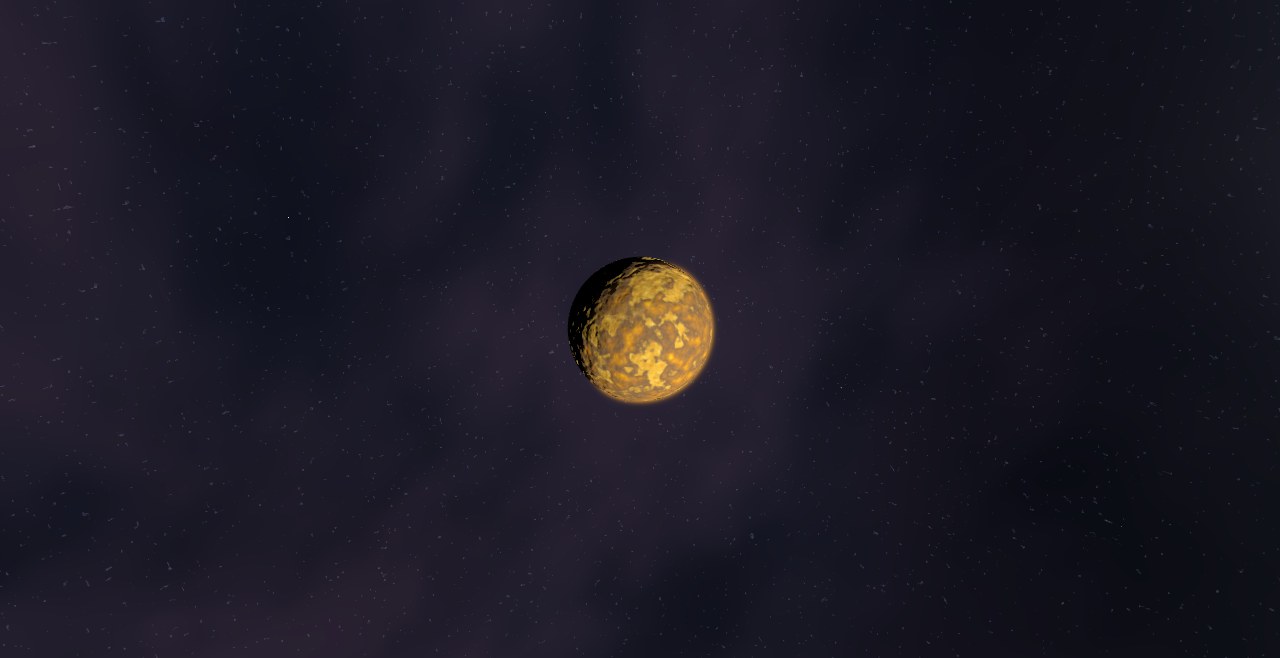
Kepler-1645, a Sun-like G-type star of 1.02 solar masses, and Kepler-1645 b, a planet with 1.8 Earth radii, with an orbital period of 16.2 days.
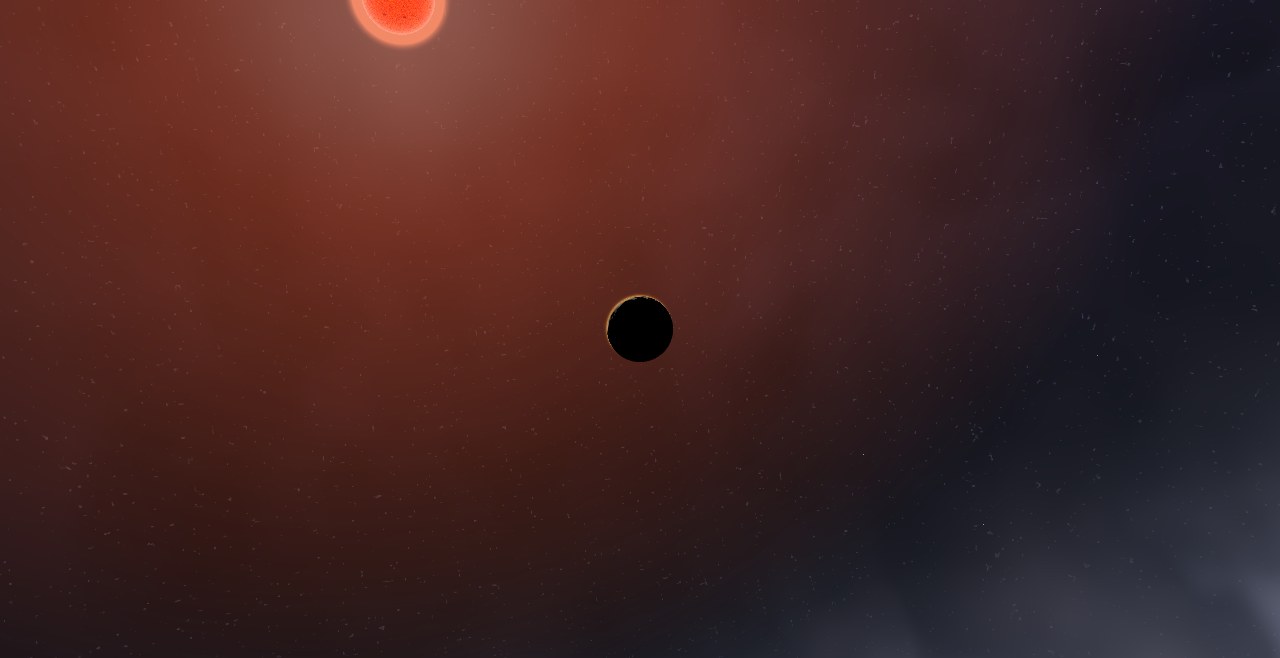
Kepler-1646, a cool M-dwarf of 0.24 solar masses, and Kepler-1646 b, a planet with 1.2 Earth radii, with an orbital period of 4.5 days.
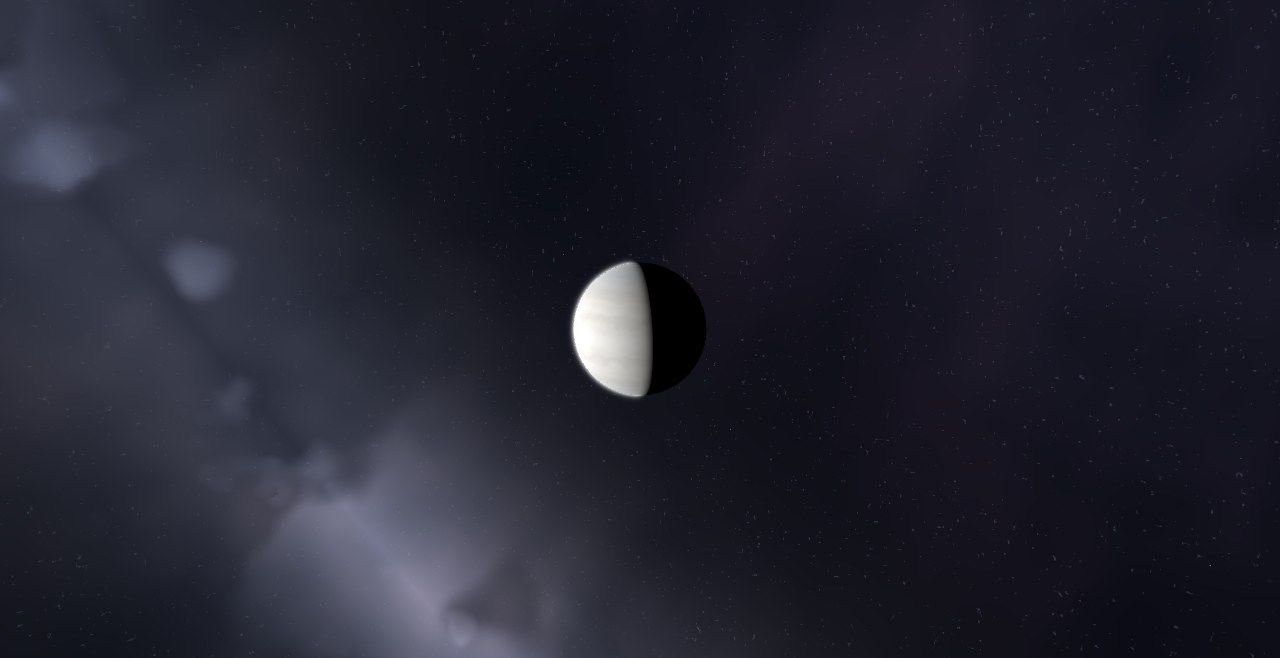
Kepler-1647 b, a gas giant on the longest circumbinary orbit Kepler found. It circles two stars near their shared habitable zone. Its year around the stellar pair lasts about three years.
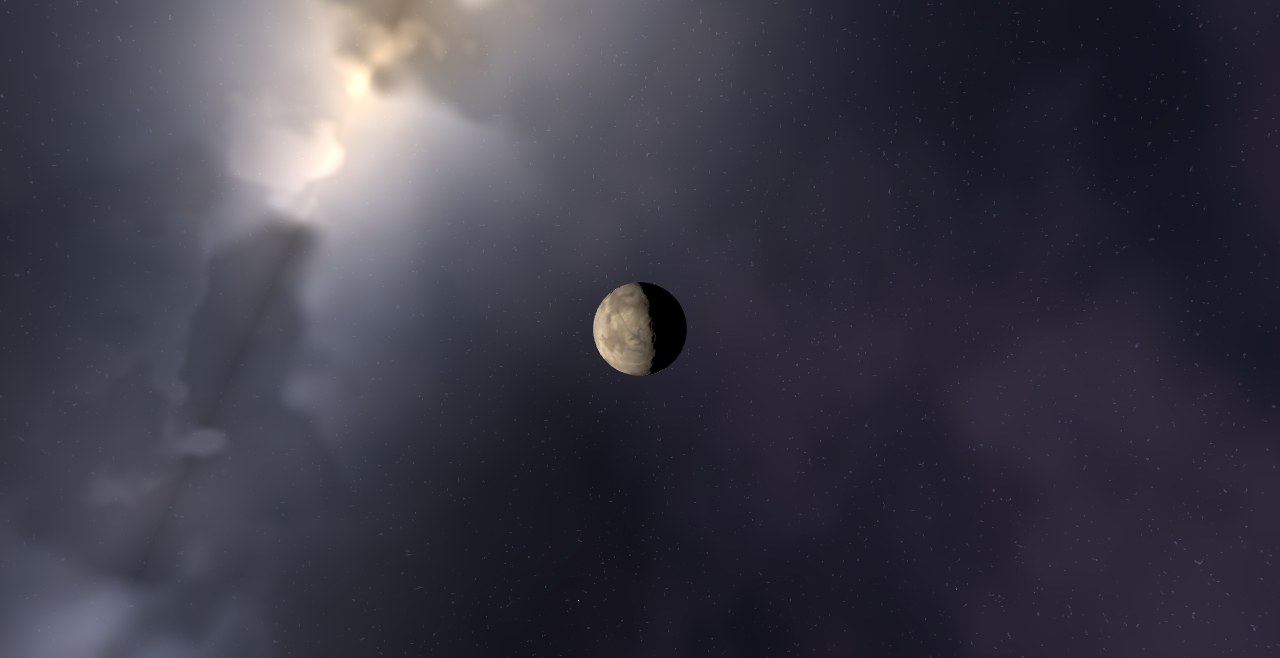
Kepler-1649 c, an Earth-sized habitable-zone planet missed by the pipeline and recovered by citizen scientists rechecking Kepler false positives.