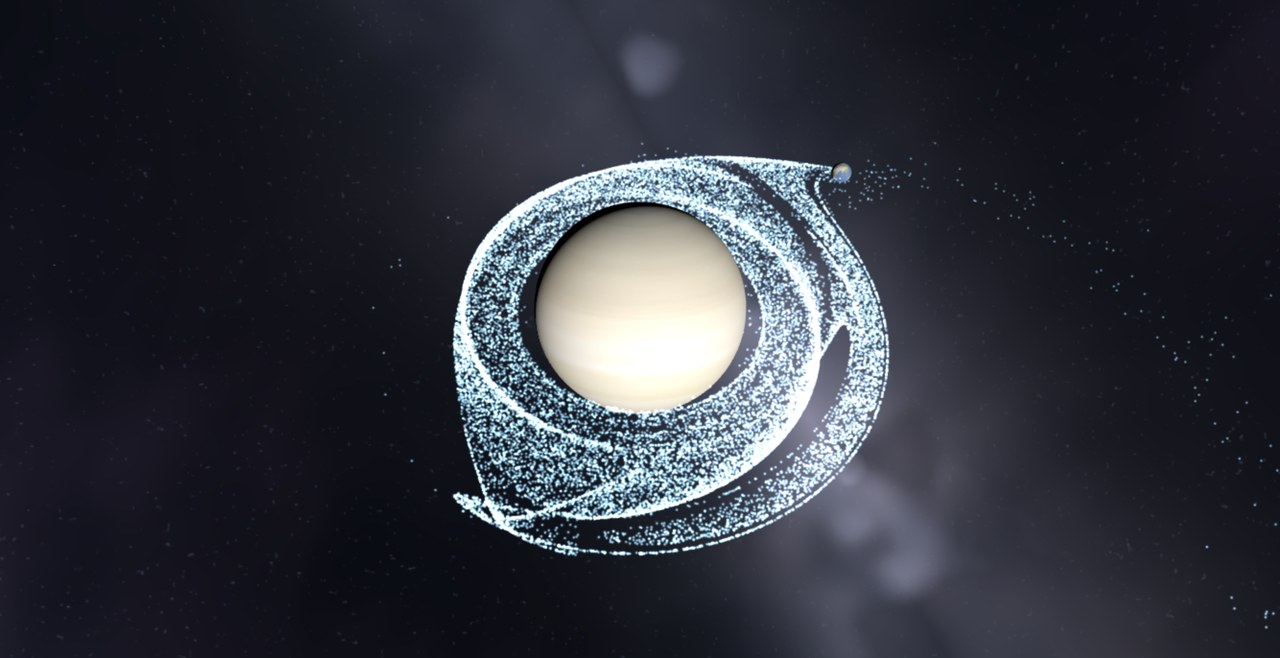
Earth Versus the Rings of Saturn
What if Earth orbited inside Saturn's ring system? Watch an Earth-mass world plow through thousands of icy ring particles, carving immense gaps and raising dramatic spiral density wakes.
3D Space and Gravity Simulator. Simulate the solar system, exoplanets and even colliding galaxies. Add, delete and modify planets, and change the laws of physics.
Share
What if Earth orbited inside Saturn's ring system? Watch an Earth-mass world plow through thousands of icy ring particles, carving immense gaps and raising dramatic spiral density wakes.
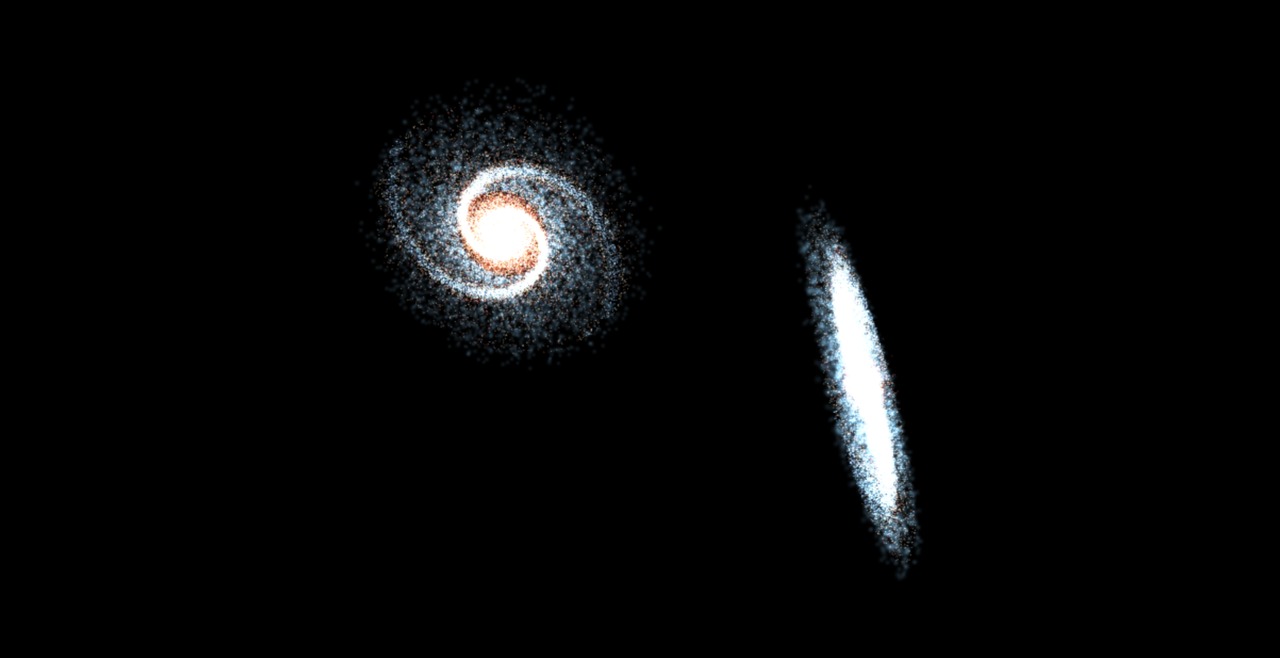
Simulate the majestic collision of two spiral galaxies. Watch gravitational tidal forces tear out massive tidal tails and bridges over hundreds of millions of simulated years.
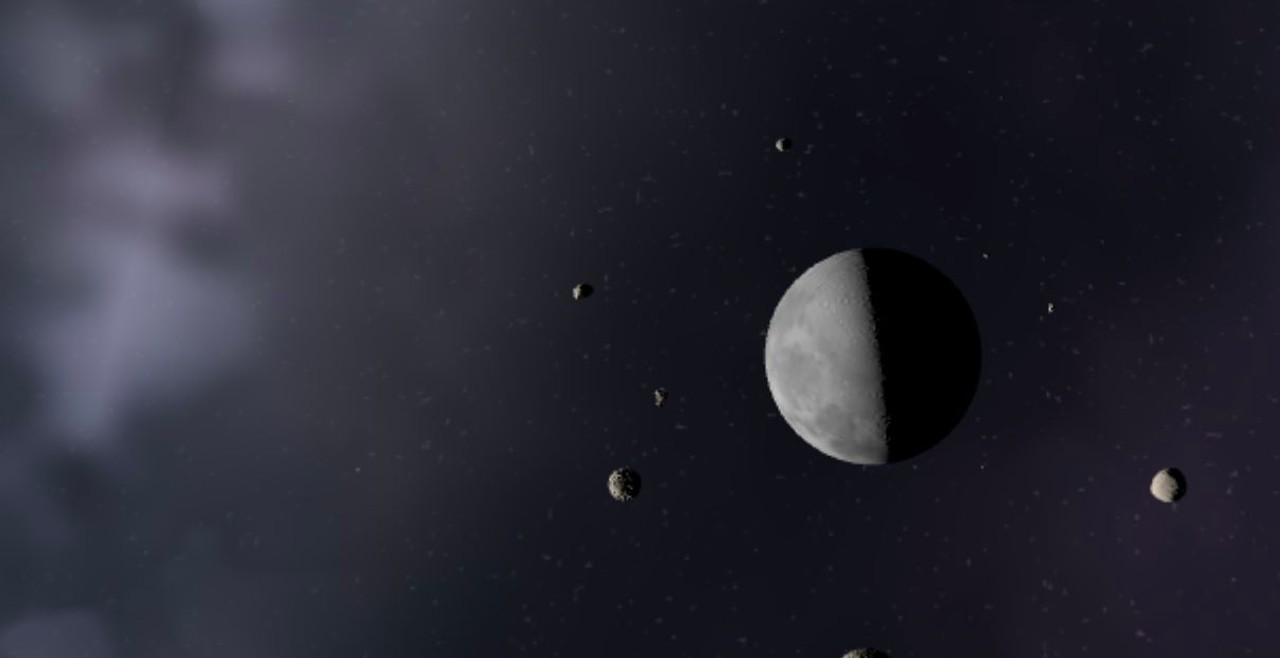
What if the Moon were struck by twenty asteroids, comets, and Ceres? Watch shockwaves and impact scars ripple across the lunar surface in slow motion.
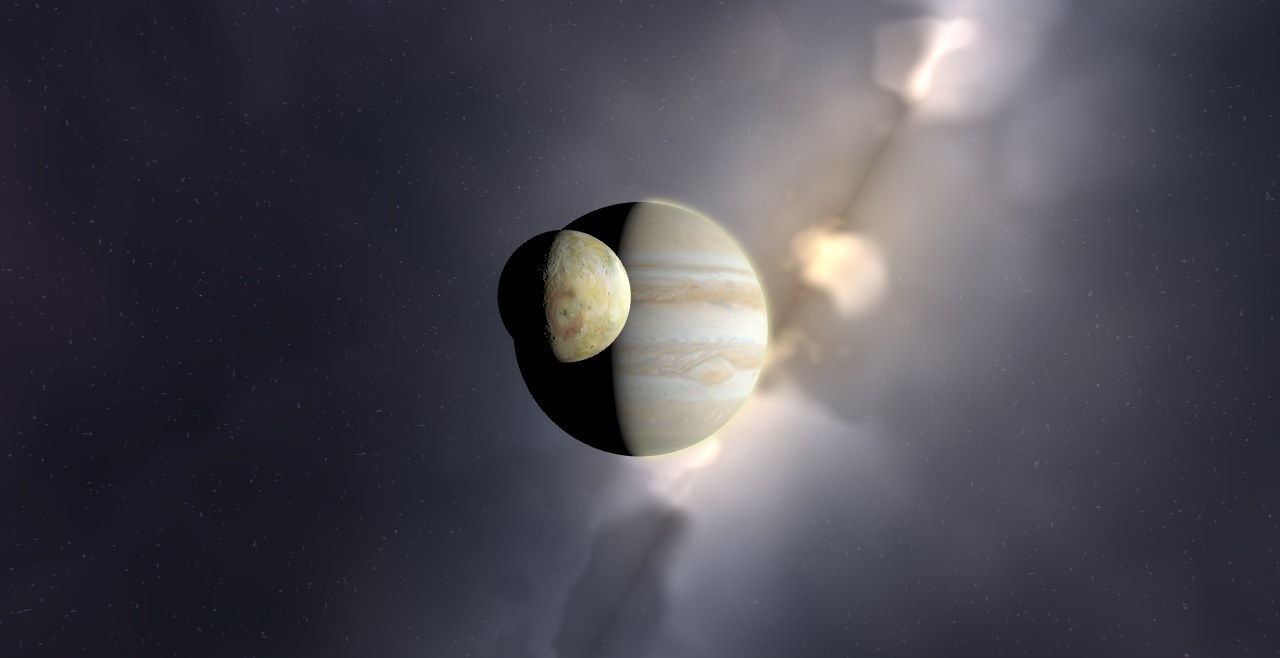
Simulate Jupiter and its four Galilean moons: Io, Europa, Ganymede, and Callisto. Watch the historic 4:2:1 Laplace orbital resonance play out in interactive Newtonian 3D.
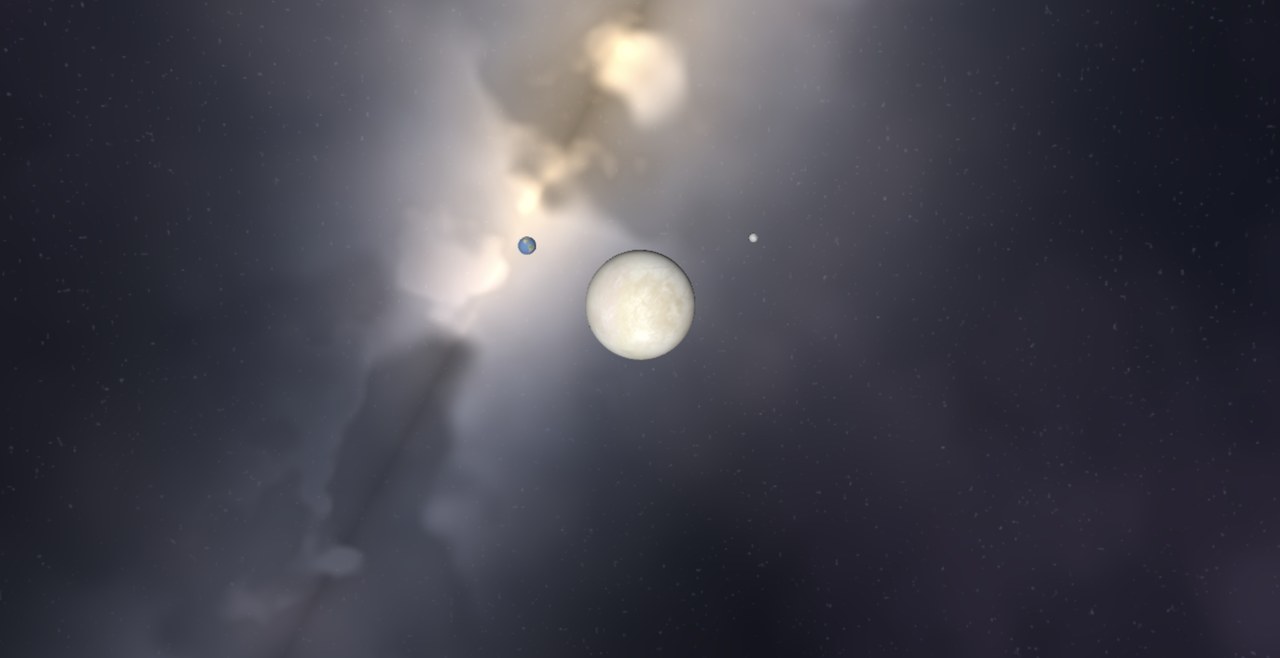
What if Earth had two natural satellites? Explore the gravitational stability of Earth with both our Moon and Jupiter's icy moon Europa in co-orbiting harmony in interactive 3D.
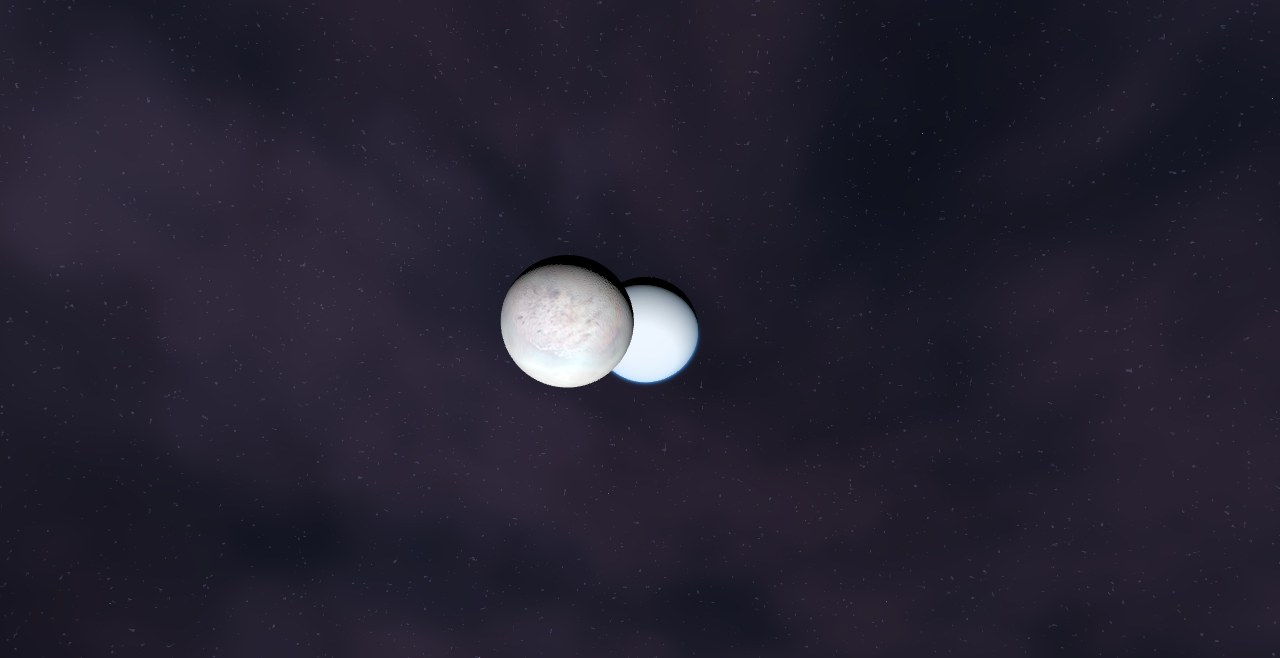
Explore Neptune's moon system, dominated by massive retrograde moon Triton. Discover the captured Kuiper Belt origins of Proteus, Larissa, and highly eccentric Nereid in 3D.
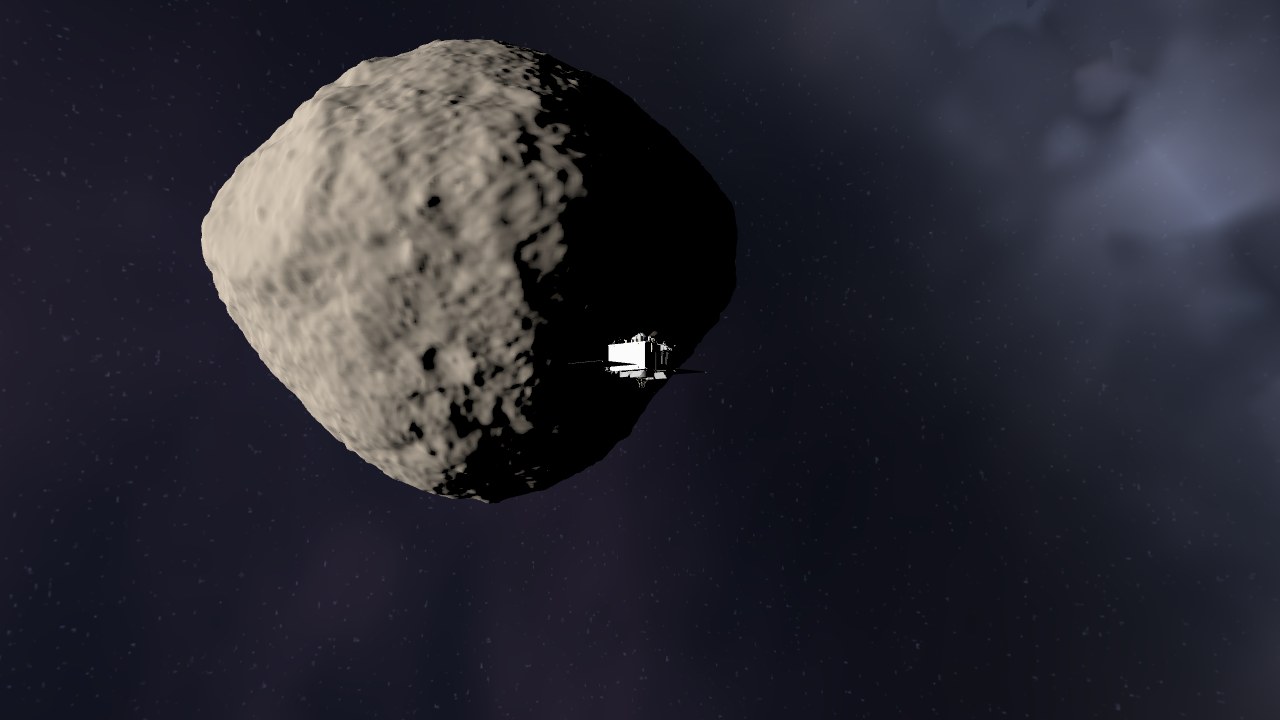
Simulate NASA's OSIRIS-REx mission orbiting near-Earth asteroid Bennu just 1 km from its rugged surface before its historic sample collection, using authentic JPL data.
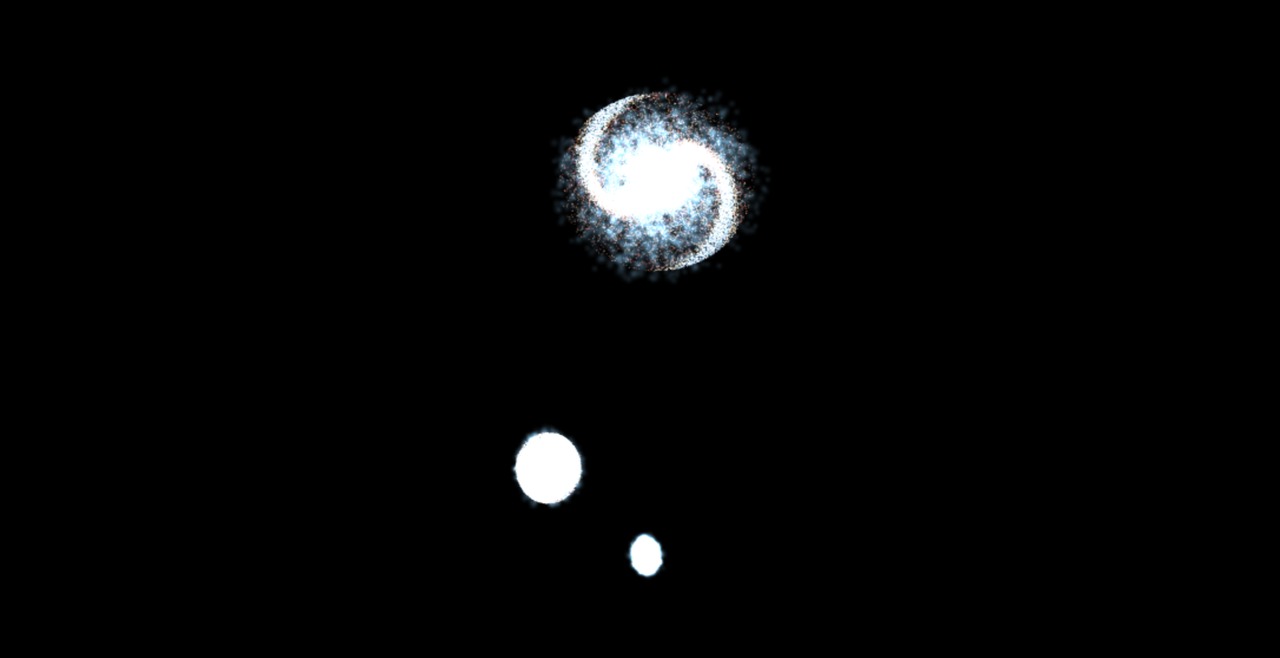
Explore the Milky Way and its satellite dwarf galaxies, the Large and Small Magellanic Clouds. Watch tidal gravitational forces shape their mutual orbits across the galactic halo.
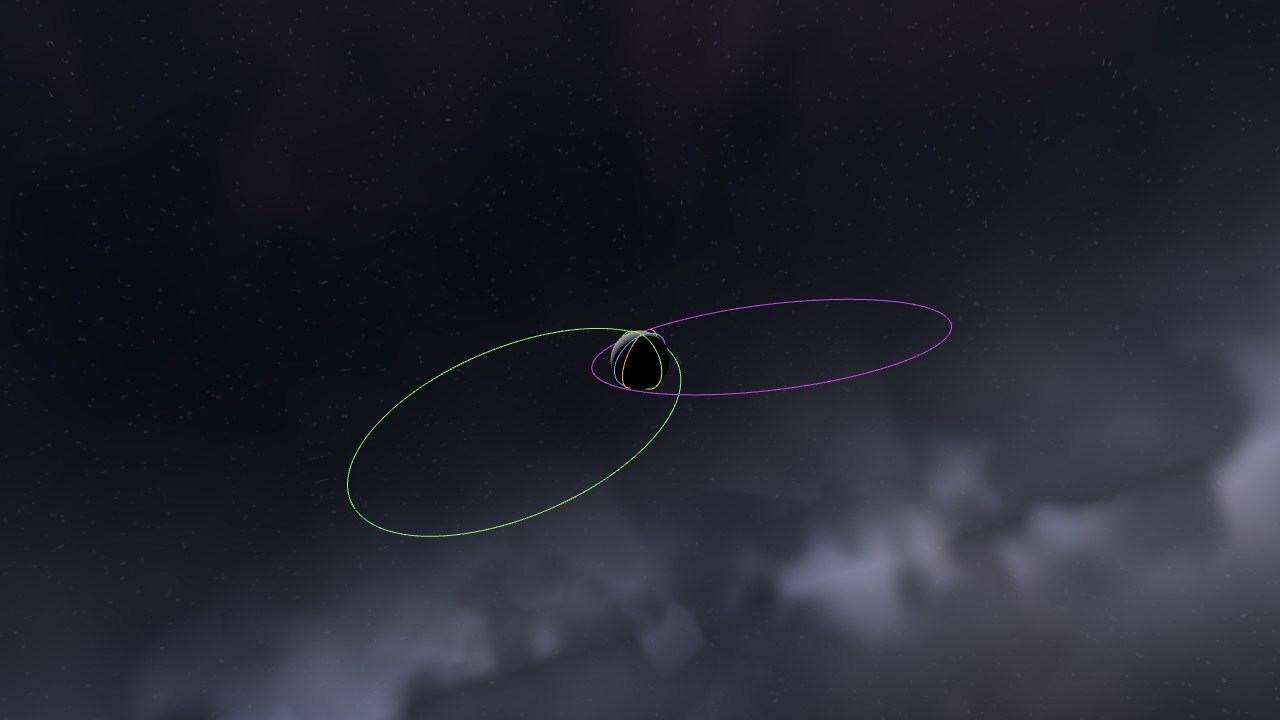
Explore the Moon with five active orbiters in 2026: NASA's LRO, ISRO's Chandrayaan-2, Korea's Danuri, and ARTEMIS P1/P2, navigating lunar gravity in high-precision 3D.
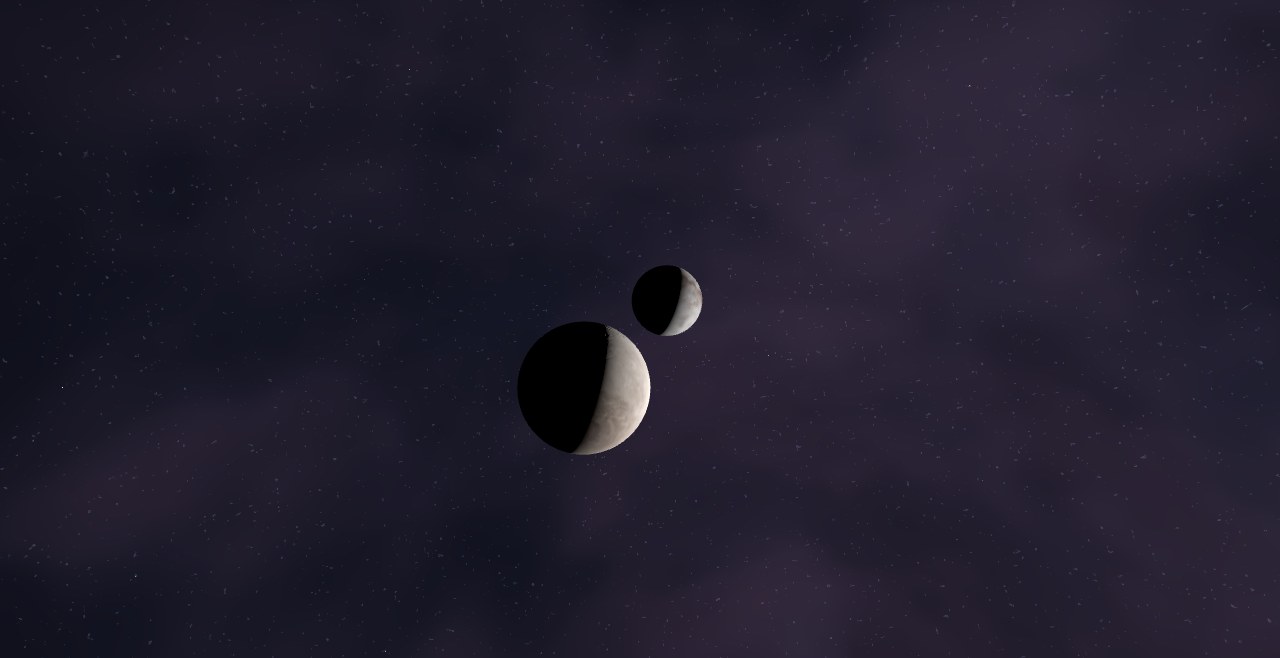
Explore Pluto and its five moons: Charon, Styx, Nix, Kerberos, and Hydra. Witness a true binary dwarf planet whose barycenter floats in open space outside Pluto itself.
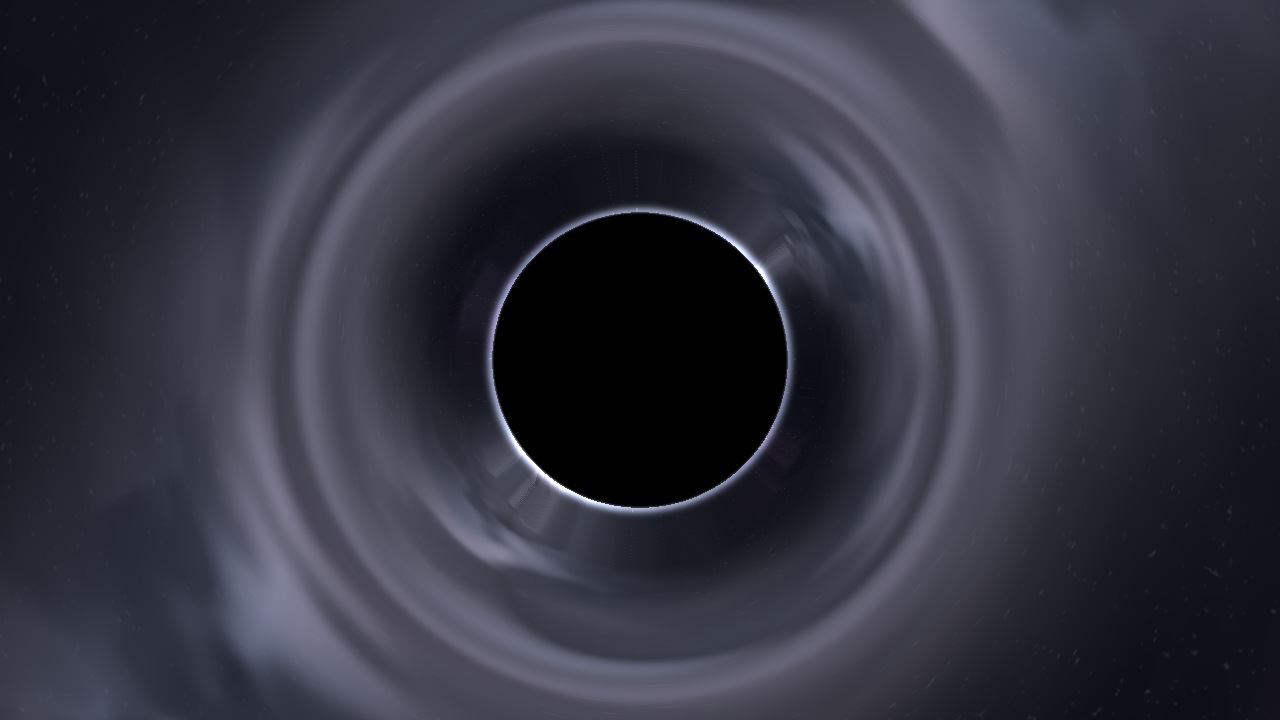
Simulate Sagittarius A*, the 4.3-million-solar-mass supermassive black hole at the center of the Milky Way, alongside the frantic orbits of the high-speed inner S-stars including S2.
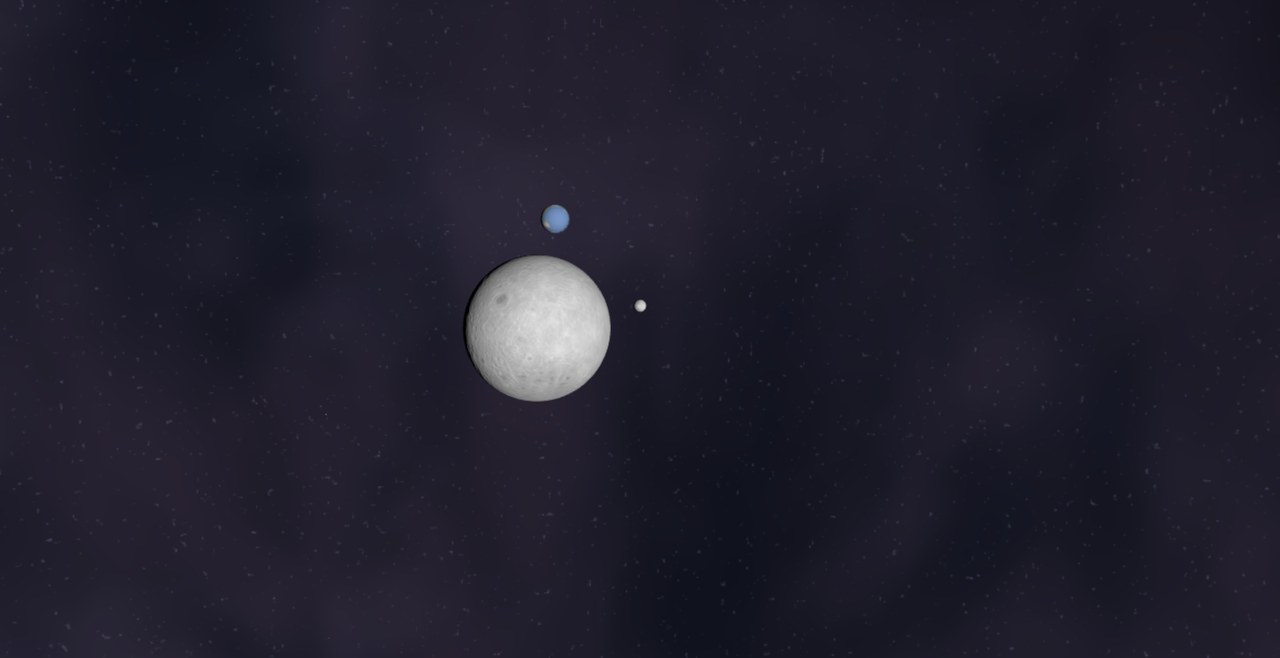
What if Saturn's cratered moon Mimas orbited our Moon as a submoon? Test the orbital stability of a moon-orbiting moon nested inside Earth's lunar Hill sphere in interactive 3D.
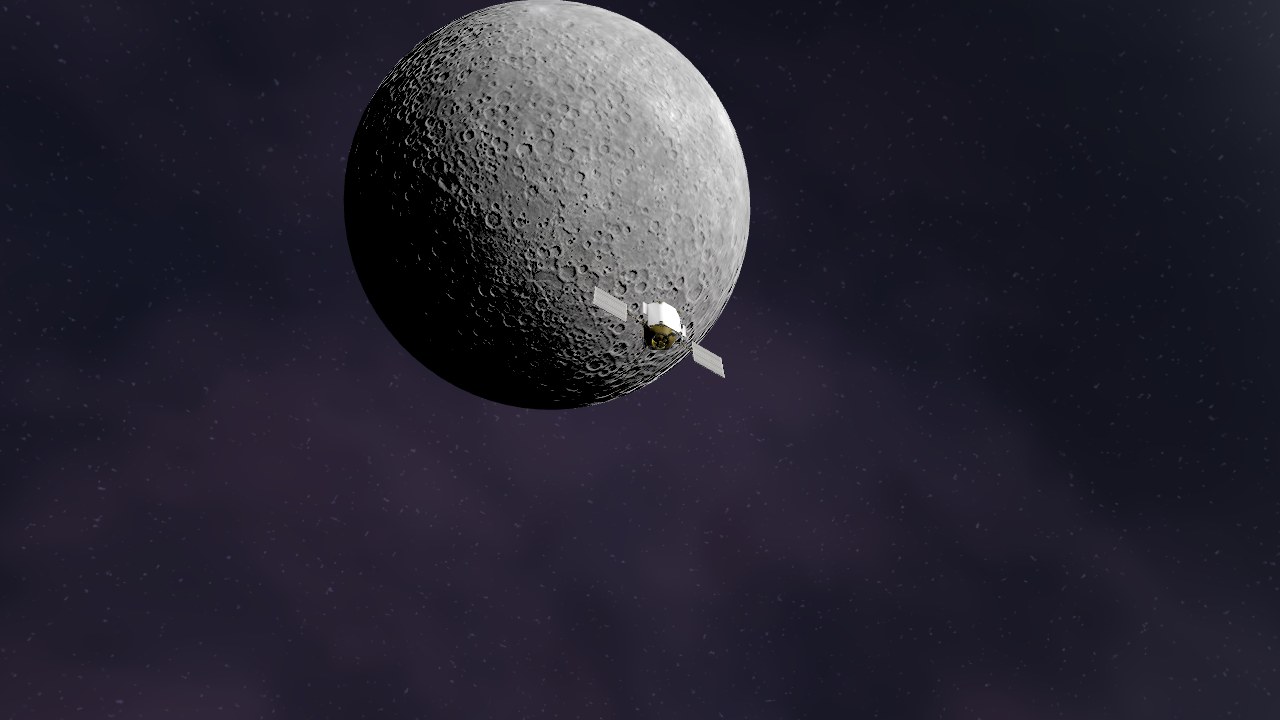
Simulate NASA's MESSENGER spacecraft orbiting Mercury. Explore the extreme orbital mechanics of charting the closest planet to the Sun inside its scorching gravitational well.
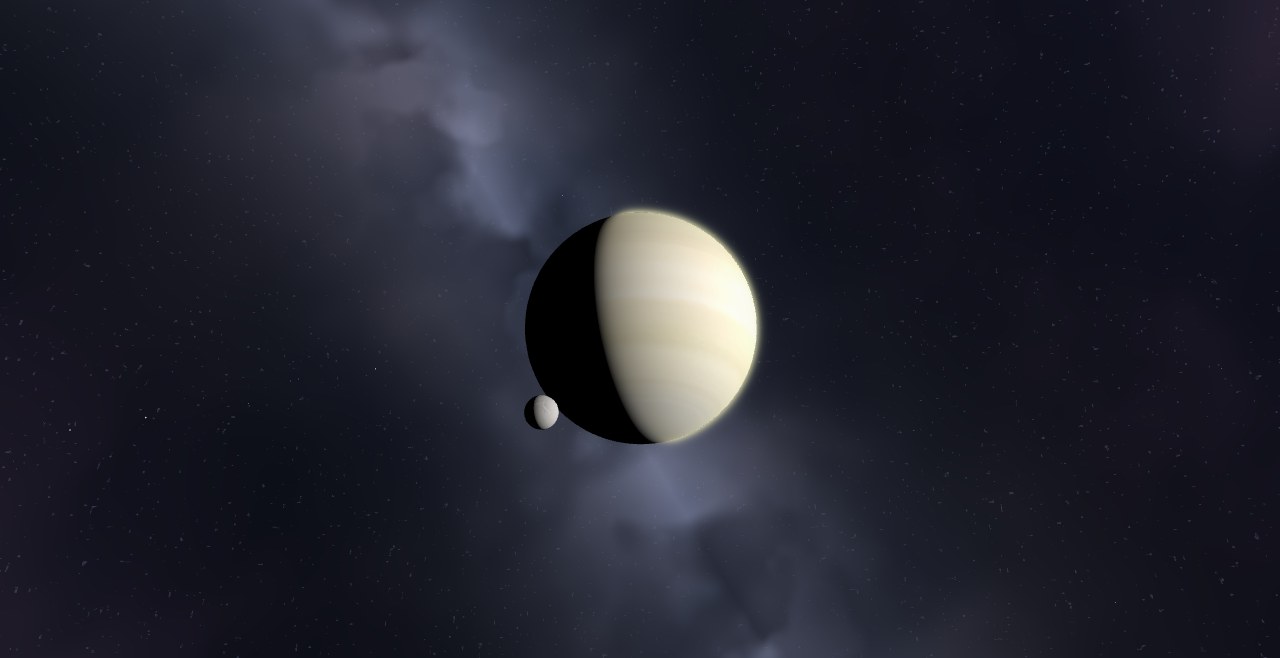
Explore Saturn, its major moons including Titan and Enceladus, and thousands of dynamic ring particles. Watch gravitational shepherd moons carve distinct gaps across the rings.
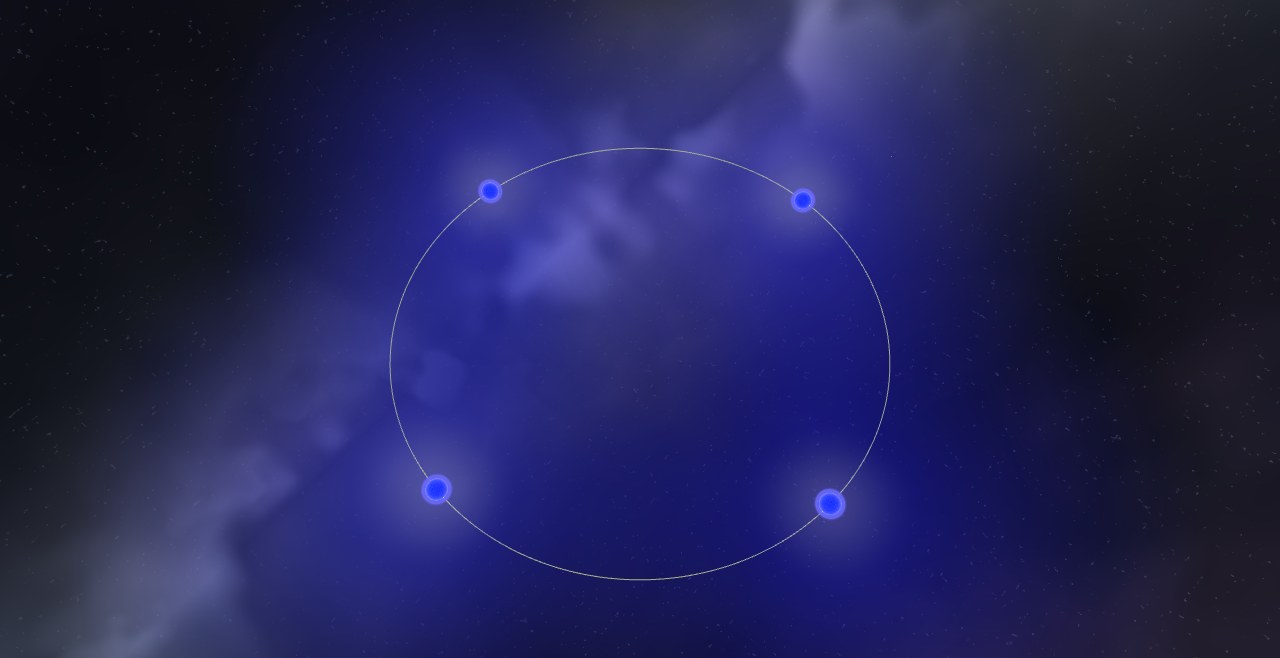
Experience an astonishing four-body choreography where four equal masses chase one another along a single circular loop, perfectly stabilized by pure Newtonian gravity.
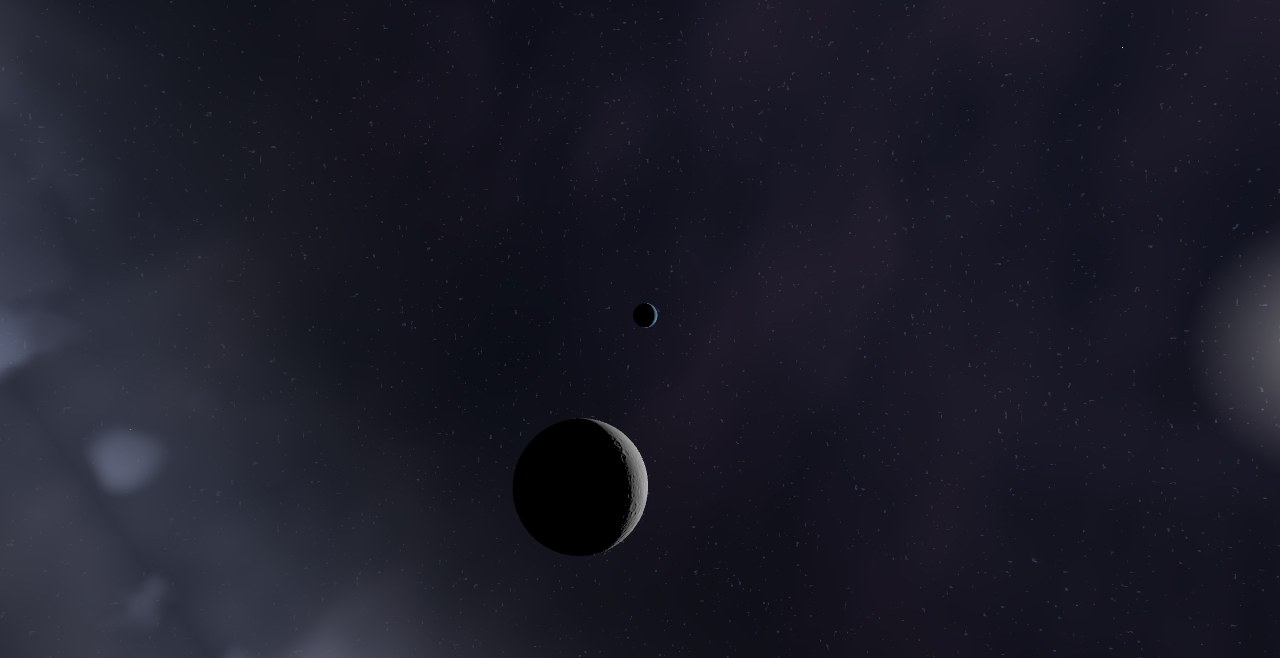
Explore the Earth-Moon system in precise Newtonian 3D. Watch our tidally locked Moon orbit at 384,400 km while solar gravitational perturbations subtly modulate its orbital path.
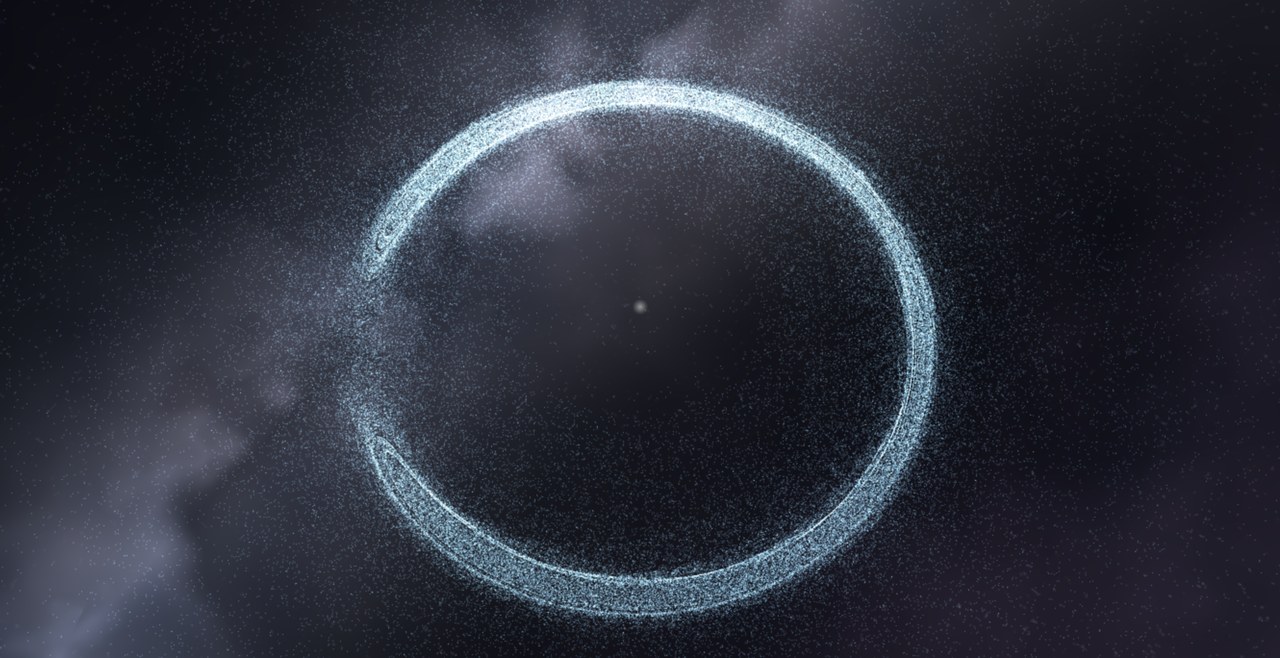
Simulate a 300-Earth-mass gas giant embedded in a massive 200,000-particle planetesimal ring. Watch the giant shepherd material into Lagrange clouds, clear gaps, and eject debris in 3D.
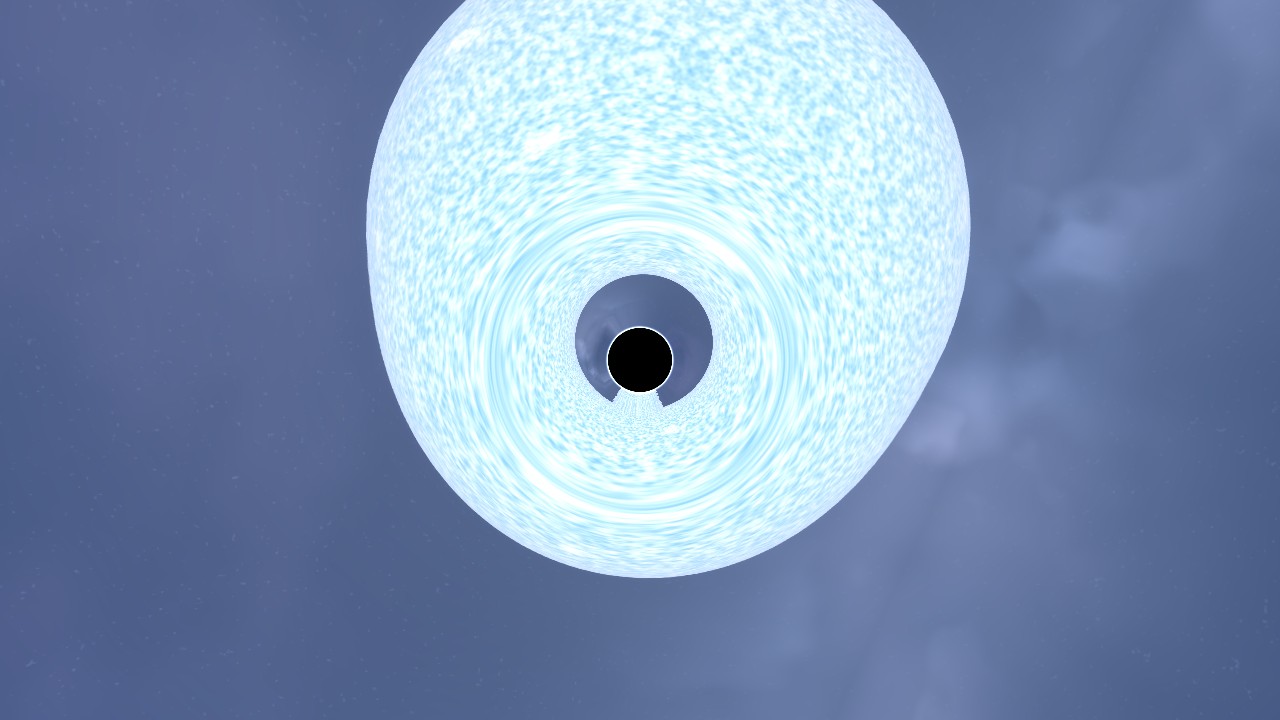
Simulate V4641 Sagittarii, an erratic galactic microquasar. Watch a 6.4-solar-mass black hole and its massive B-type giant companion star complete a rapid 2.82-day mutual orbit in 3D.