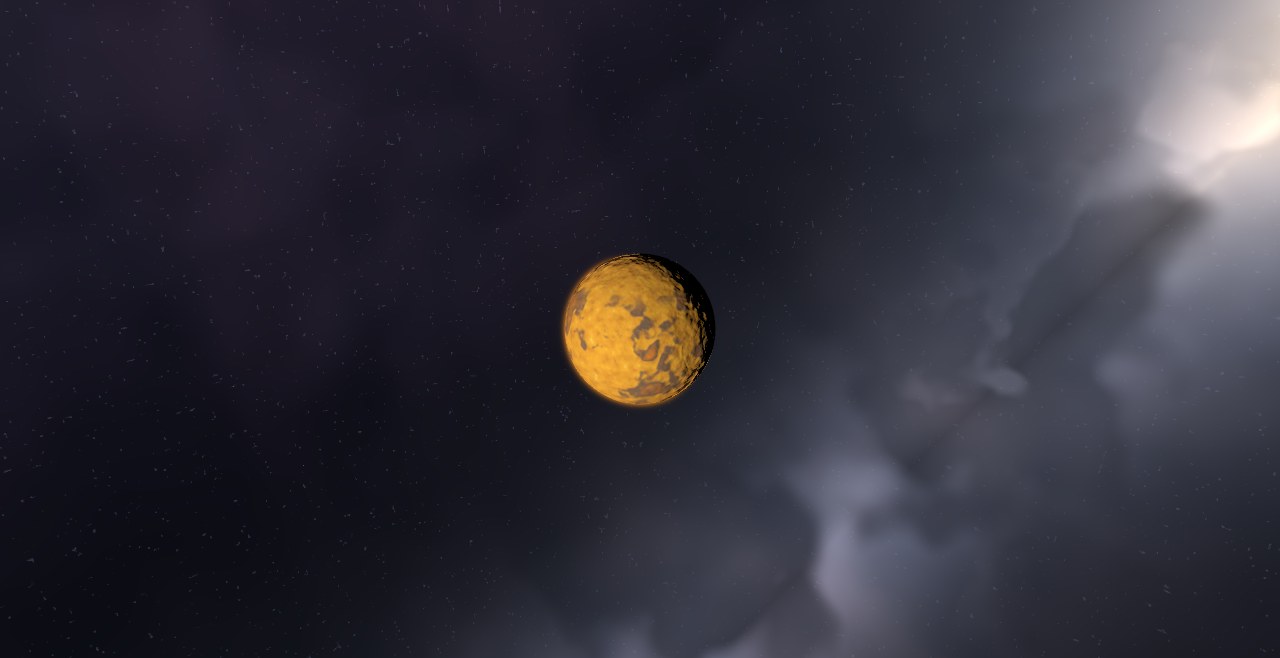
K2-32 - System
K2-32, a Sun-like G-type star of 0.83 solar masses, and K2-32 e, a 2.1-Earth-mass planet, with an orbital period of 4.3 days, at 0.049 AU from its star, and an equilibrium temperature near 1,066 K.
3D Space and Gravity Simulator. Simulate the solar system, exoplanets and even colliding galaxies. Add, delete and modify planets, and change the laws of physics.
Share
K2-32, a Sun-like G-type star of 0.83 solar masses, and K2-32 e, a 2.1-Earth-mass planet, with an orbital period of 4.3 days, at 0.049 AU from its star, and an equilibrium temperature near 1,066 K.
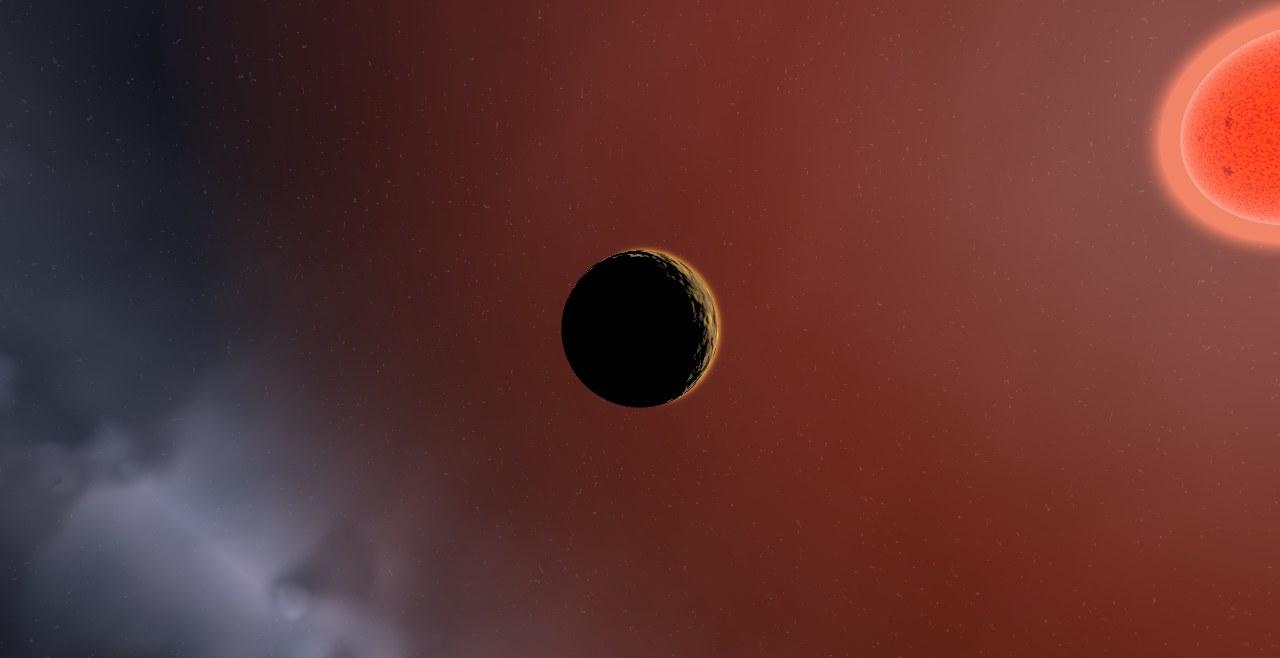
K2-320, a cool M-dwarf of 0.12 solar masses, and K2-320 b, a planet with 2.6 Earth radii, with an orbital period of 2.0 days, at 0.014 AU from its star, and an equilibrium temperature near 698 K.
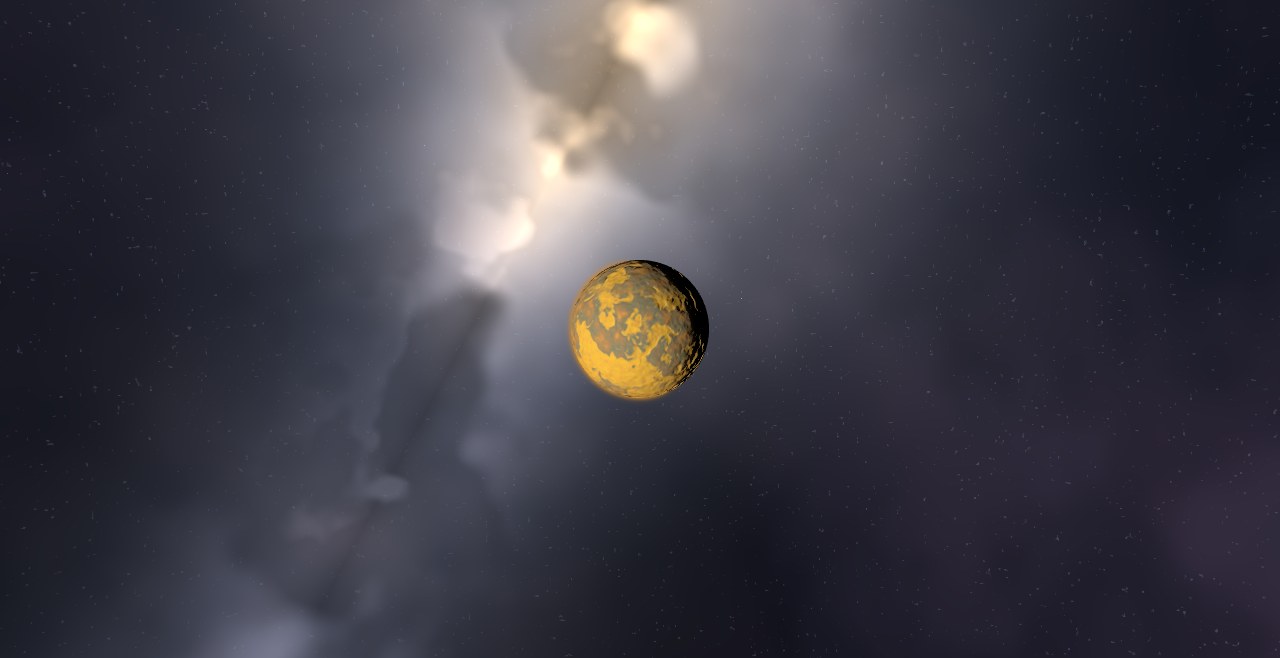
K2-321, an orange K-type dwarf of 0.58 solar masses, and K2-321 b, a planet with 2.1 Earth radii, with an orbital period of 2.3 days, at 0.028 AU from its star, and an equilibrium temperature near 830 K.
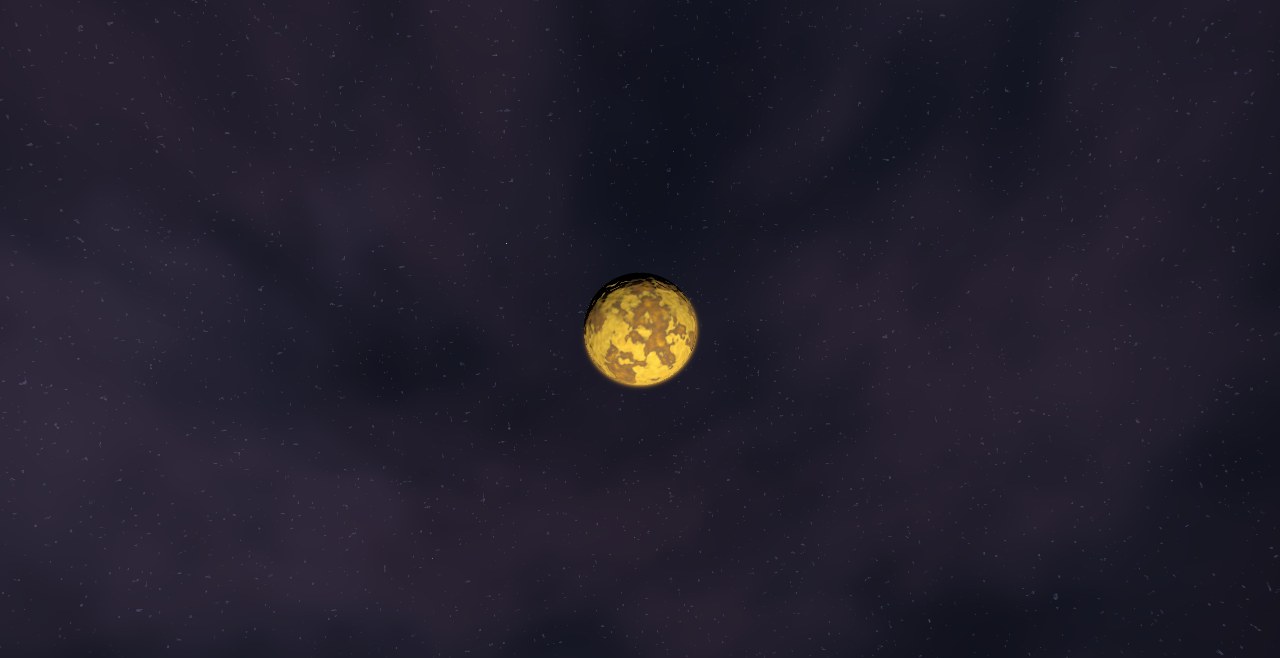
K2-322, an orange K-type dwarf of 0.63 solar masses, and K2-322 b, a planet with 1.9 Earth radii, with an orbital period of 8.2 days, at 0.059 AU from its star, and an equilibrium temperature near 635 K.
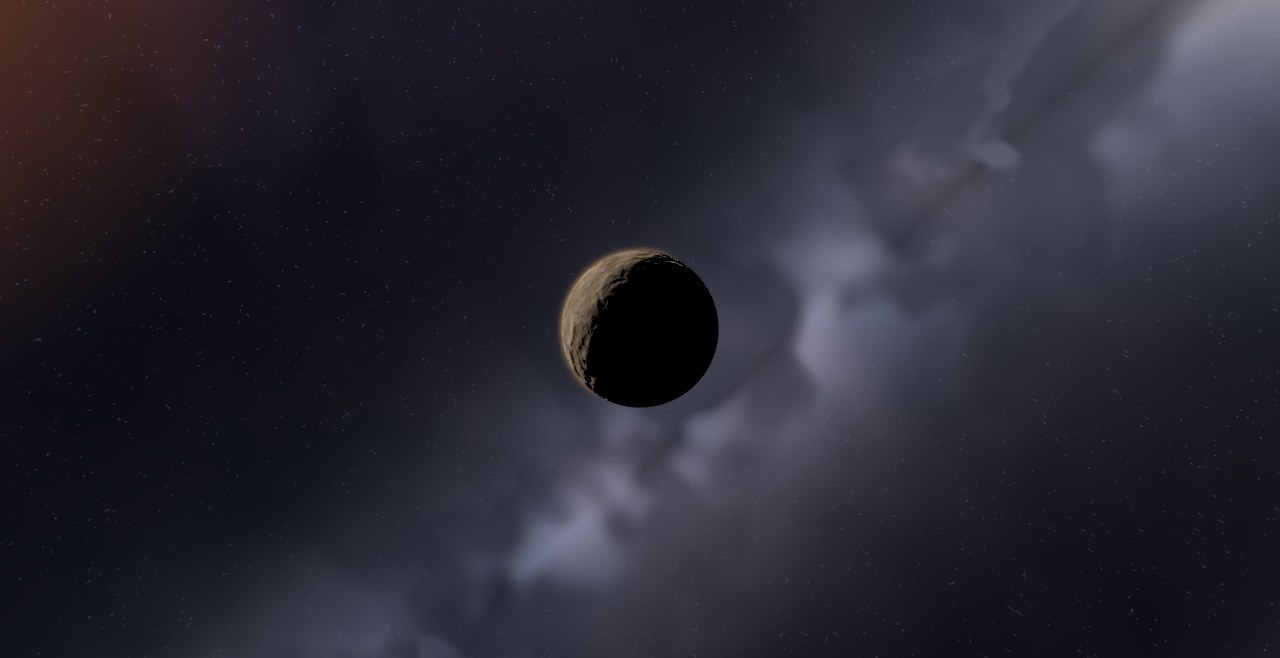
K2-323, an orange K-type dwarf of 0.48 solar masses, and K2-323 b, a planet with 2.1 Earth radii, with an orbital period of 24.9 days, at 0.128 AU from its star, and an equilibrium temperature near 318 K.
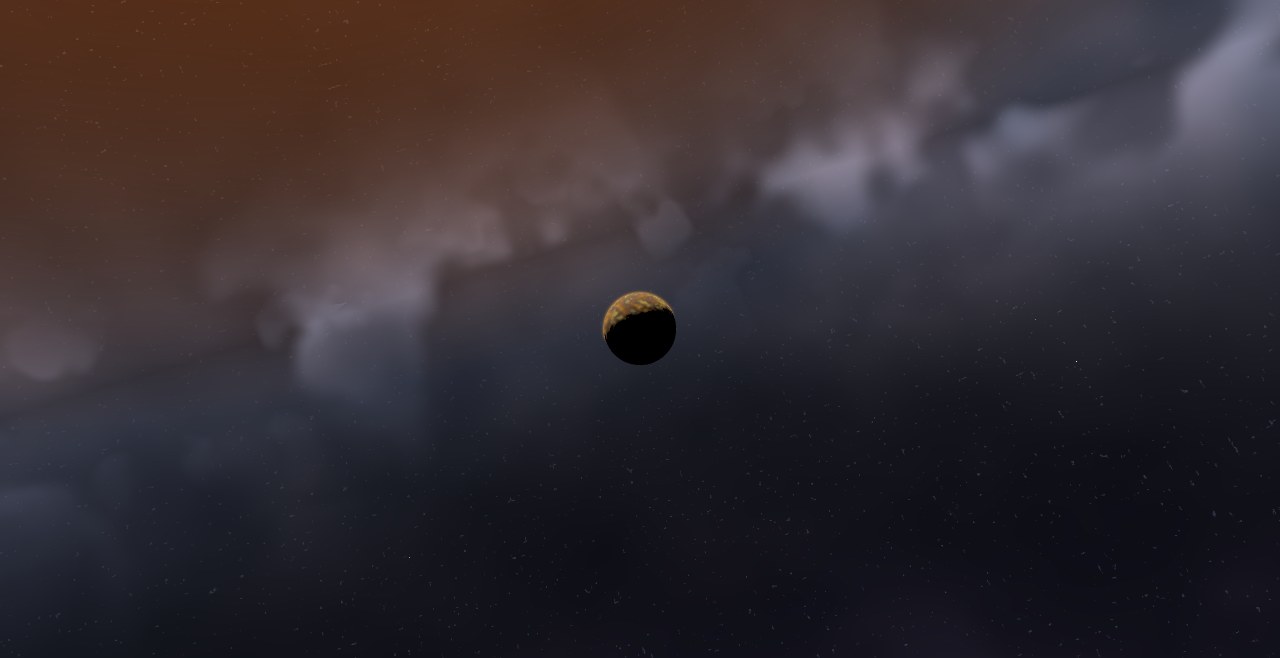
K2-324, an orange K-type dwarf of 0.52 solar masses, and K2-324 b, a planet with 2.4 Earth radii, with an orbital period of 3.3 days, at 0.033 AU from its star, and an equilibrium temperature near 707 K.
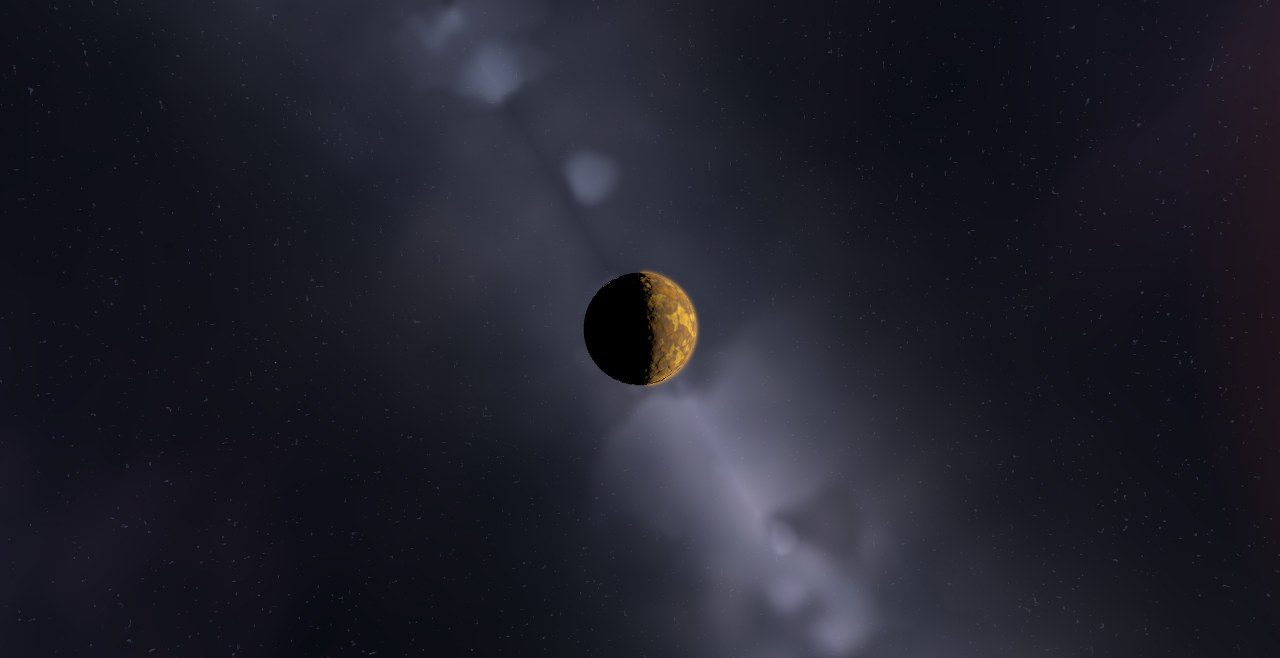
K2-325, a cool M-dwarf of 0.27 solar masses, and K2-325 b, a planet with 2.2 Earth radii, with an orbital period of 6.9 days, at 0.042 AU from its star, and an equilibrium temperature near 423 K.
K2-326, an orange K-type dwarf of 0.51 solar masses, and K2-326 b, a planet with 2.3 Earth radii, with an orbital period of 1.3 days, at 0.020 AU from its star, and an equilibrium temperature near 1,114 K.
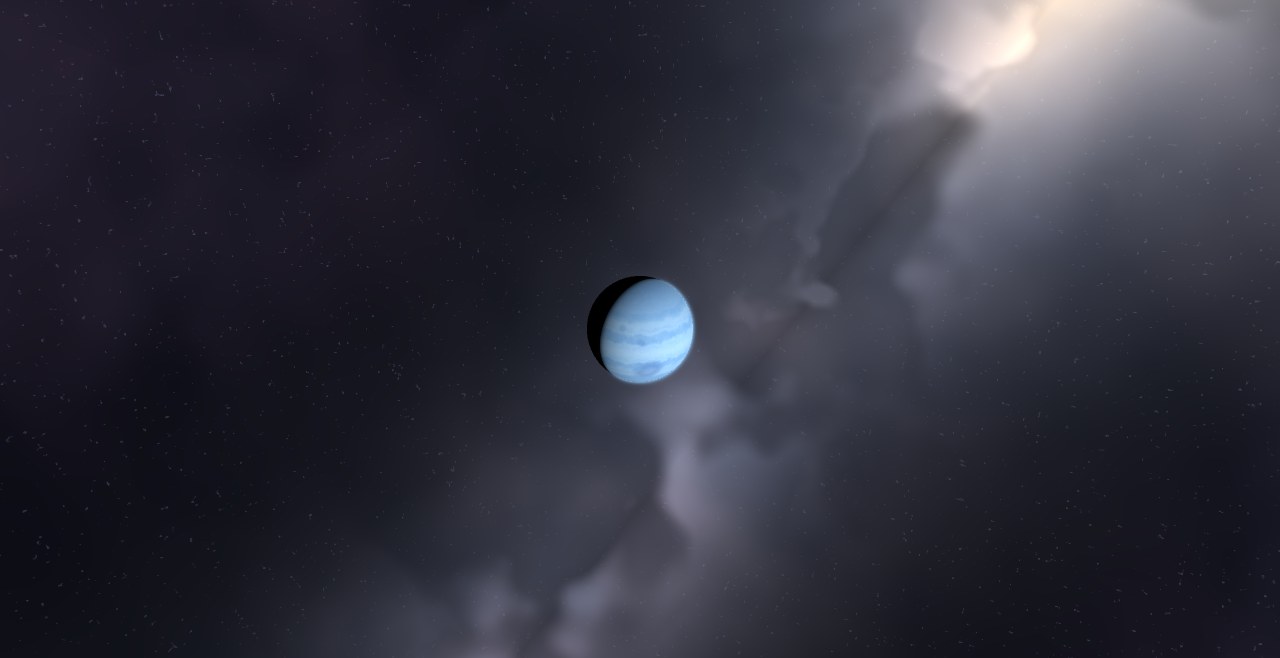
K2-329, a Sun-like G-type star of 0.90 solar masses, and K2-329 b, a 0.26-Jupiter-mass companion, with an orbital period of 12.5 days, at 0.102 AU from its star, and an equilibrium temperature near 650 K.
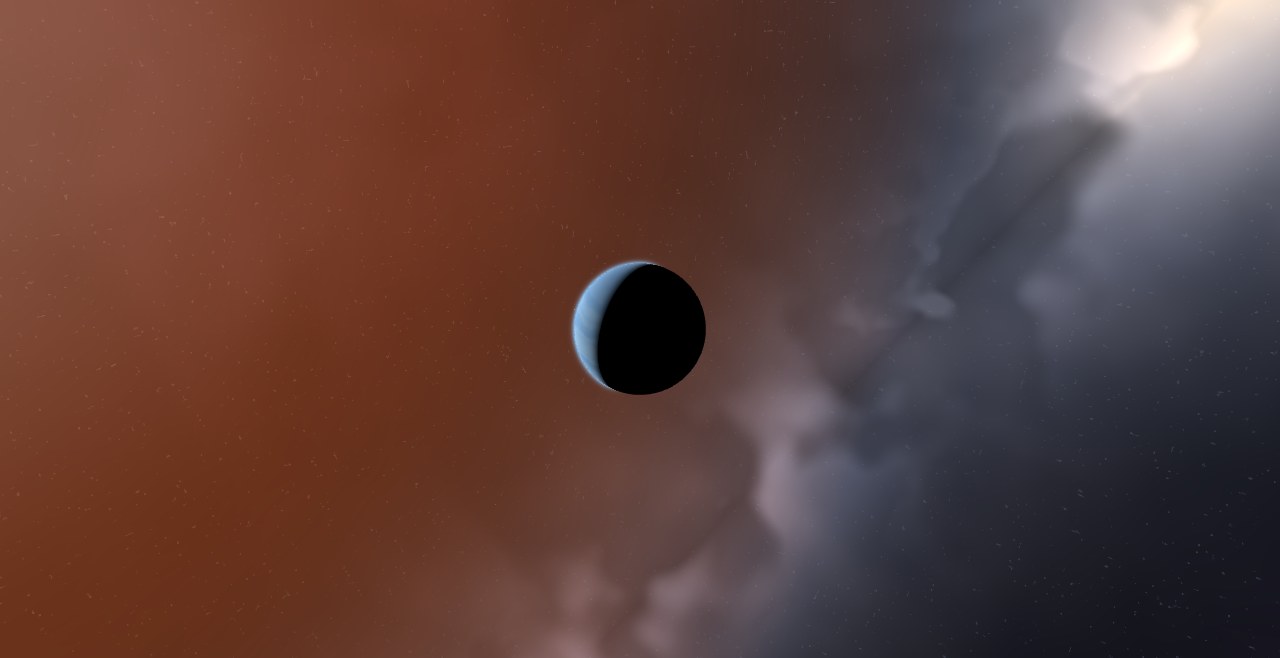
K2-33, a cool M-dwarf of 0.56 solar masses, and K2-33 b, a 3.70-Jupiter-mass companion, with an orbital period of 5.4 days.
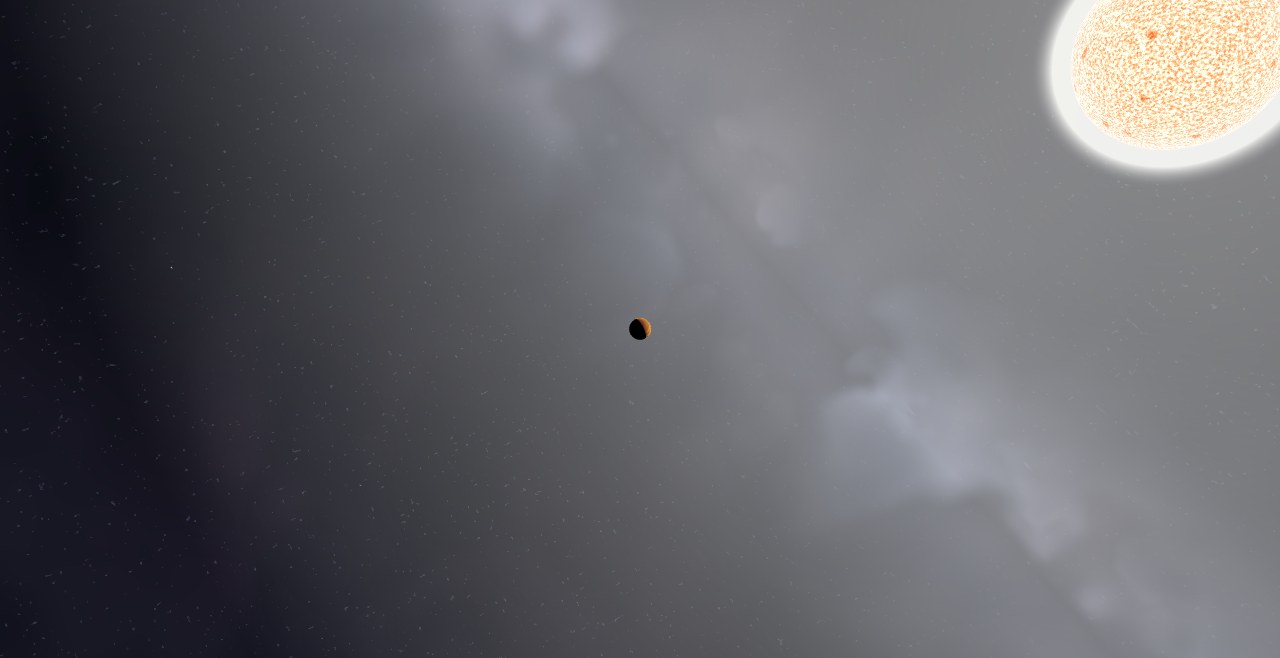
K2-34, a Sun-like F-type star of 1.16 solar masses, and K2-34 b, a planet with 13.8 Earth radii, with an orbital period of 3.0 days, at 0.044 AU from its star, and an equilibrium temperature near 1,687 K.
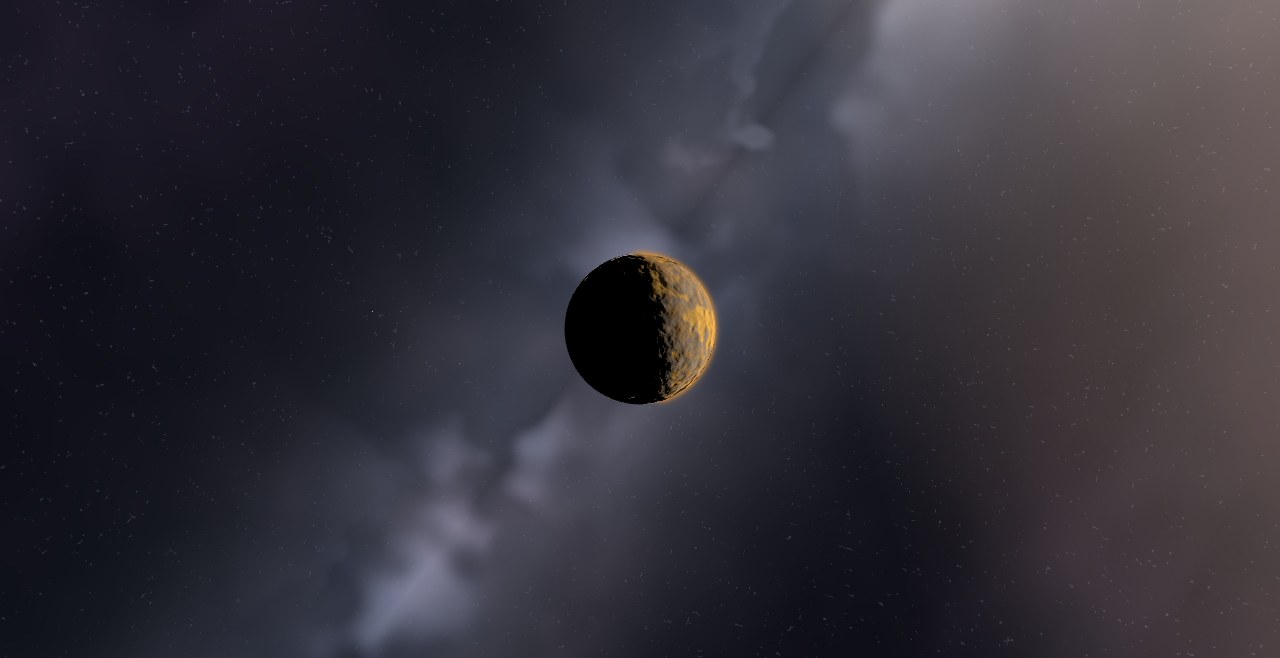
K2-35, an orange K-type dwarf of 0.70 solar masses, and K2-35 b, a planet with 1.3 Earth radii, with an orbital period of 2.4 days, at 0.031 AU from its star, on an eccentric orbit (e ≈ 0.13).
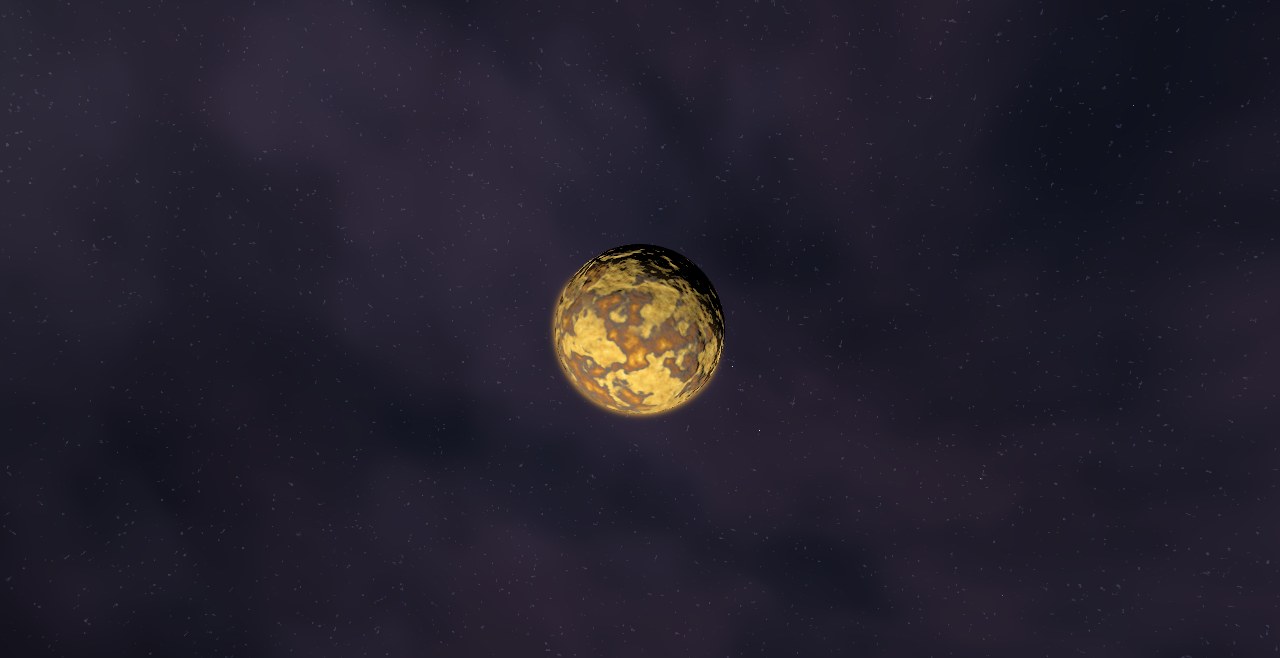
K2-355, a Sun-like G-type star of 0.96 solar masses, and K2-355 b, a planet with 2.3 Earth radii, with an orbital period of 5.7 days, at 0.063 AU from its star, and an equilibrium temperature near 1,066 K.
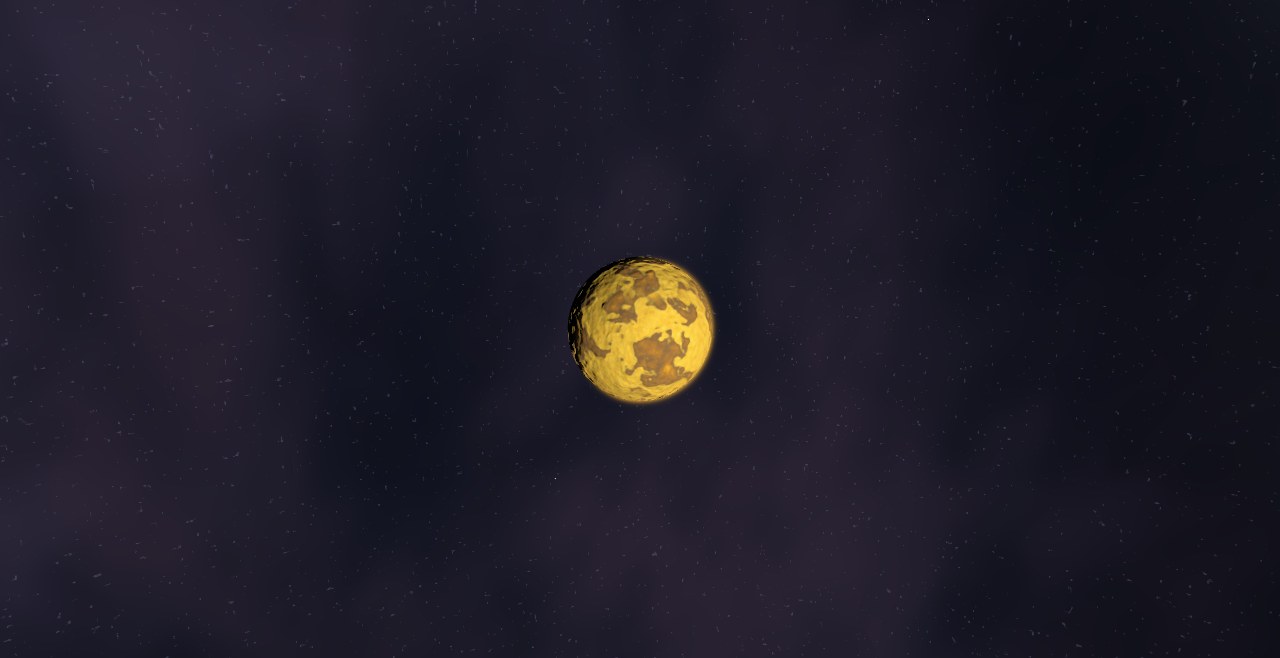
K2-356, a Sun-like G-type star of 0.90 solar masses, and K2-356 b, a planet with 2.3 Earth radii, with an orbital period of 21.0 days, at 0.160 AU from its star, and an equilibrium temperature near 624 K.
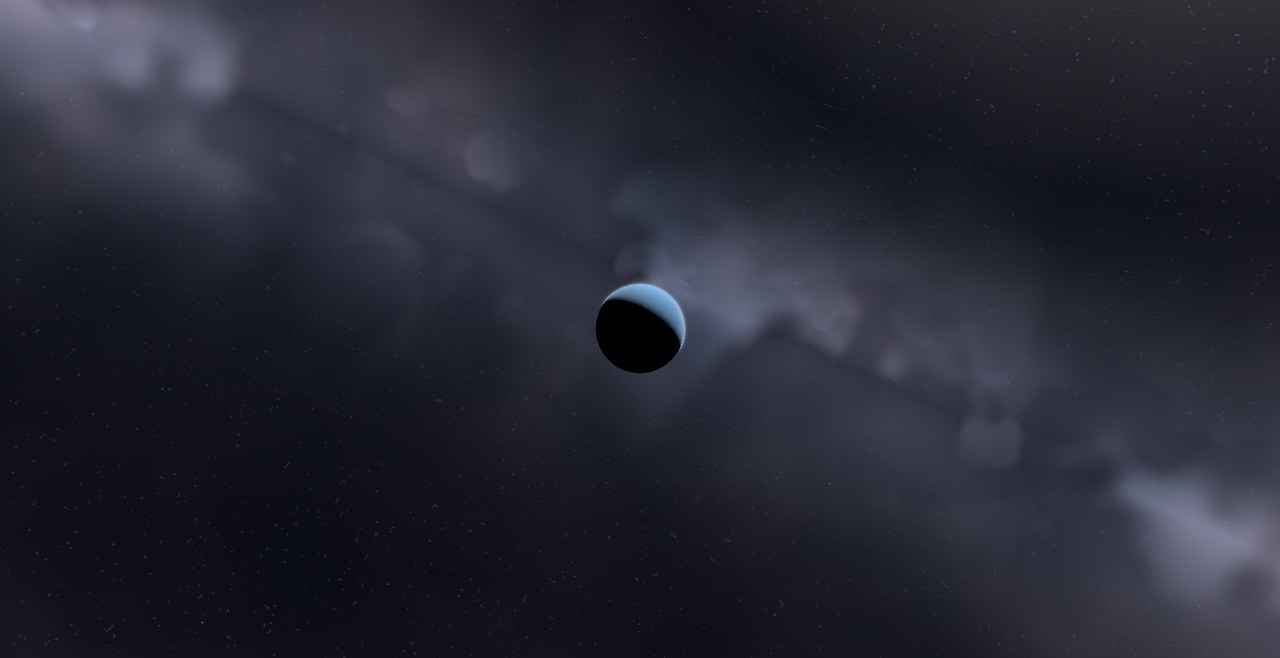
K2-357, a Sun-like G-type star of 0.98 solar masses, and K2-357 b, a planet with 3.7 Earth radii, with an orbital period of 16.3 days, at 0.145 AU from its star, and an equilibrium temperature near 735 K.
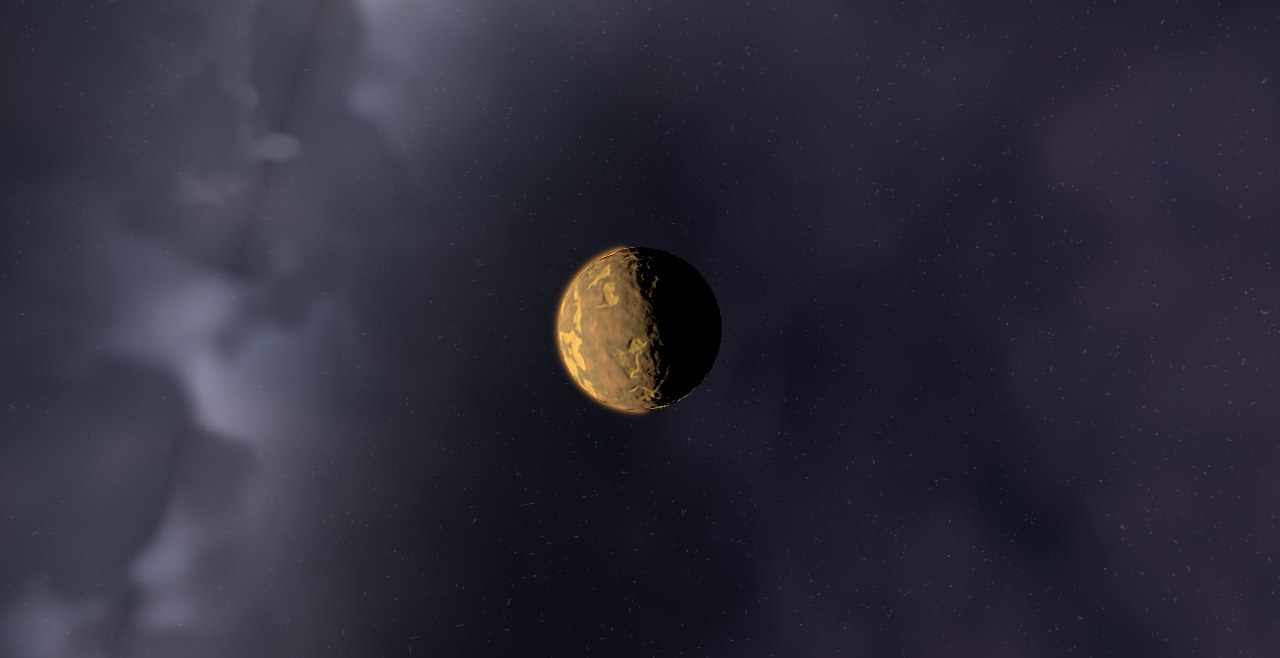
K2-358, a Sun-like G-type star of 0.93 solar masses, and K2-358 b, a planet with 2.7 Earth radii, with an orbital period of 11.3 days, at 0.086 AU from its star, and an equilibrium temperature near 888 K.
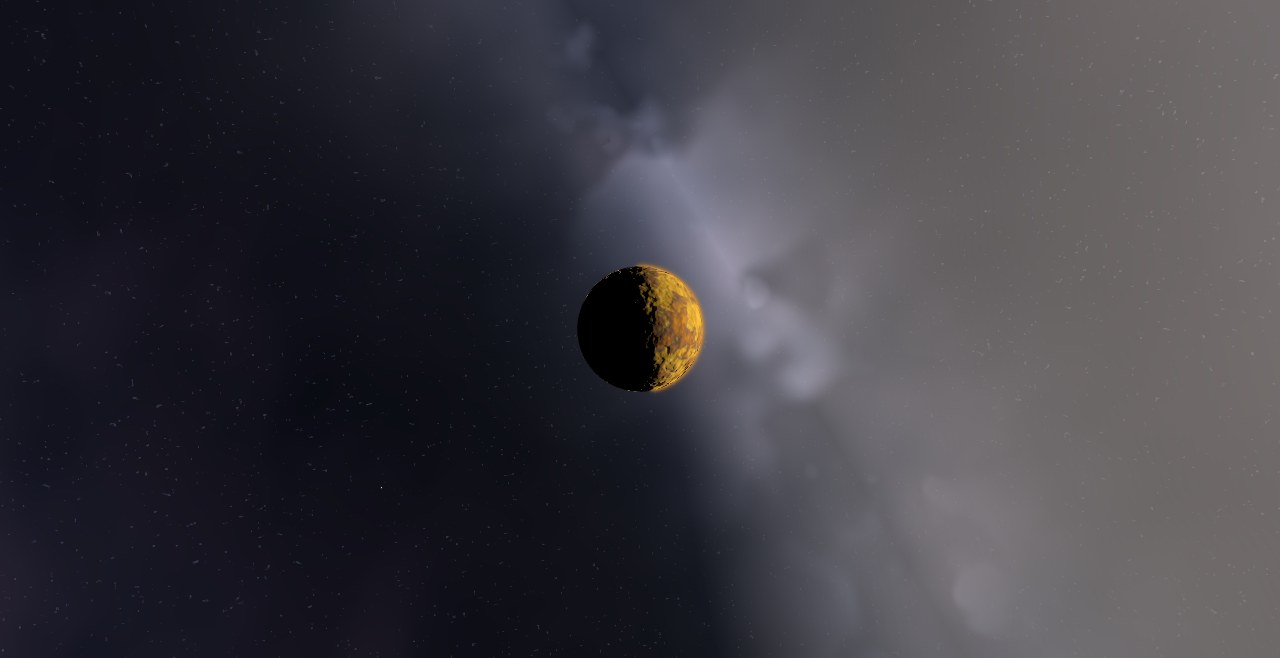
K2-36, an orange K-type dwarf of 0.79 solar masses, and K2-36 b, a 4.3-Earth-mass planet, with an orbital period of 1.4 days, at 0.023 AU from its star, and an equilibrium temperature near 1,328 K.
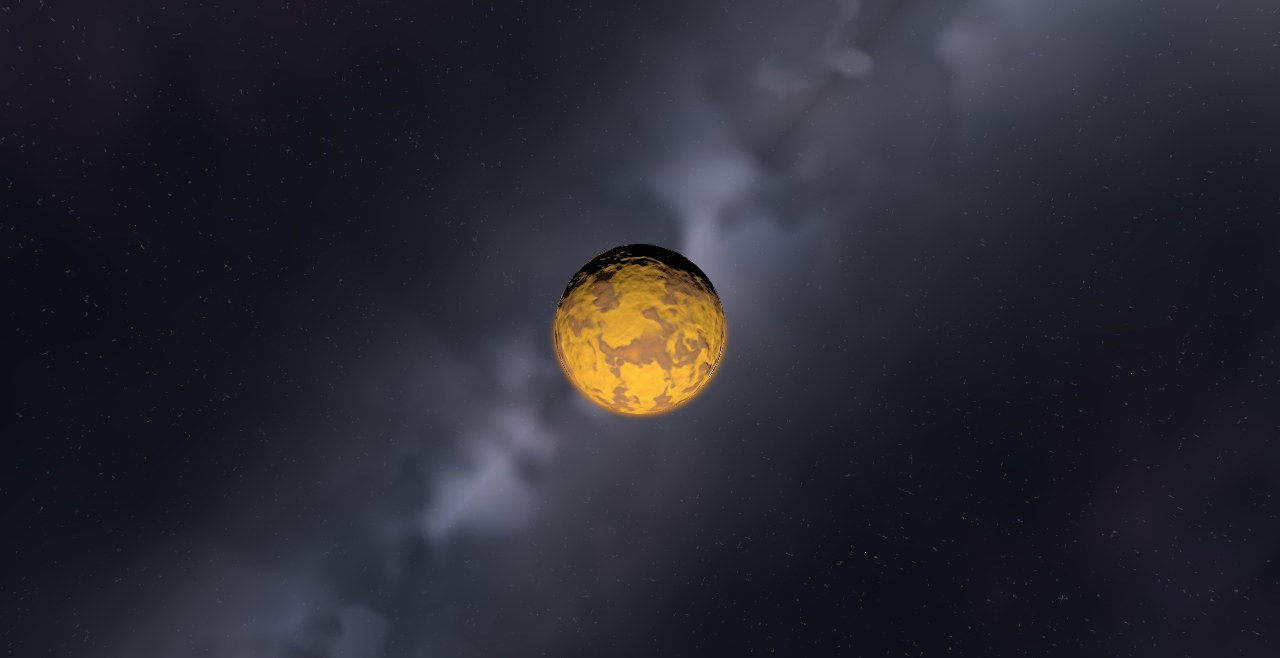
K2-37, a Sun-like G-type star of 0.84 solar masses, and K2-37 b, a planet with 1.4 Earth radii, with an orbital period of 4.4 days, and an equilibrium temperature near 949 K.