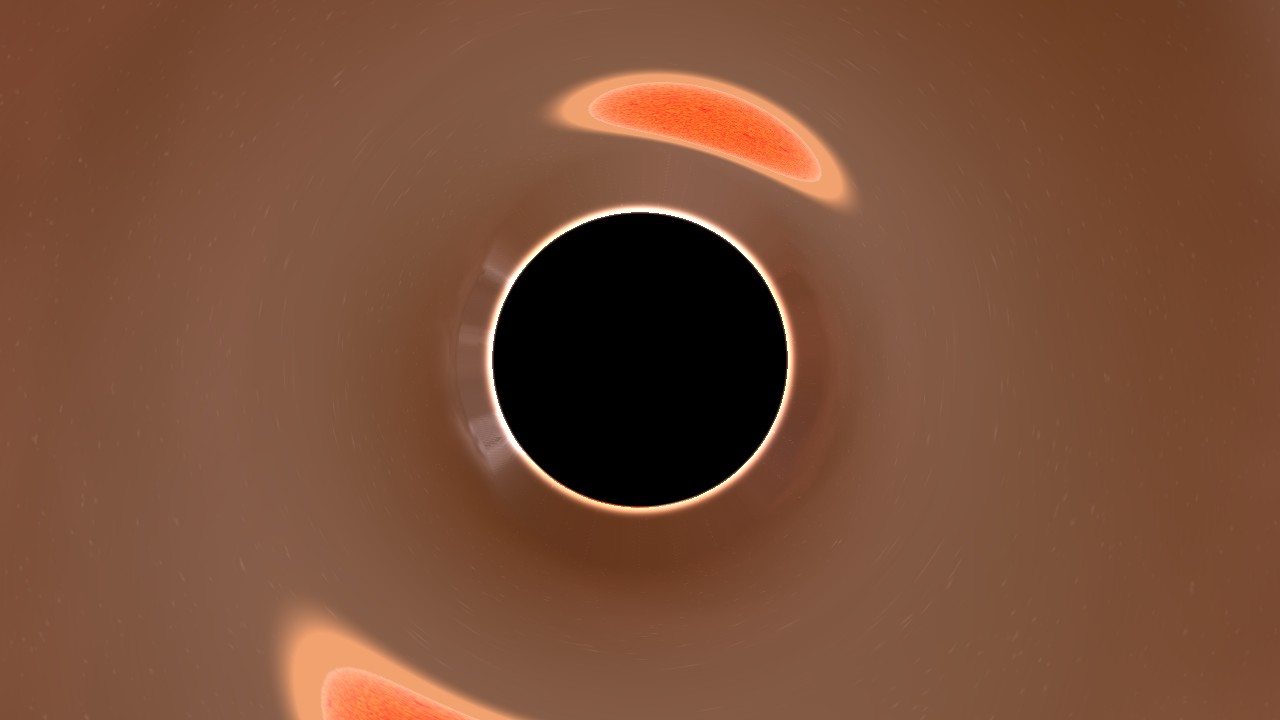
KV Ursae Majoris
KV Ursae Majoris (XTE J1118+480): a 7.5-solar-mass black hole and an M dwarf on a 4.08-hour orbit.
3D Space and Gravity Simulator. Simulate the solar system, exoplanets and even colliding galaxies. Add, delete and modify planets, and change the laws of physics.
KV Ursae Majoris (XTE J1118+480): a 7.5-solar-mass black hole and an M dwarf on a 4.08-hour orbit.
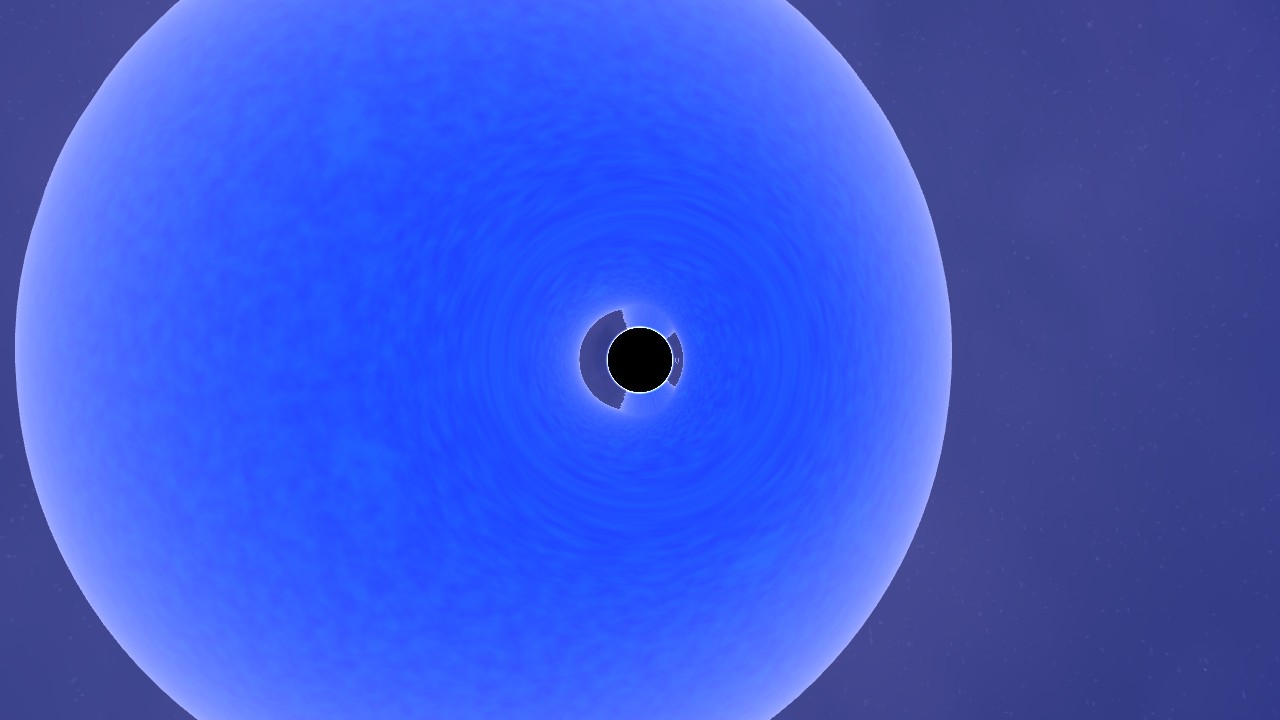
LMC X-1: a 10.9-solar-mass black hole and a 32-solar-mass O star on a 3.91-day orbit, in the Large Magellanic Cloud.
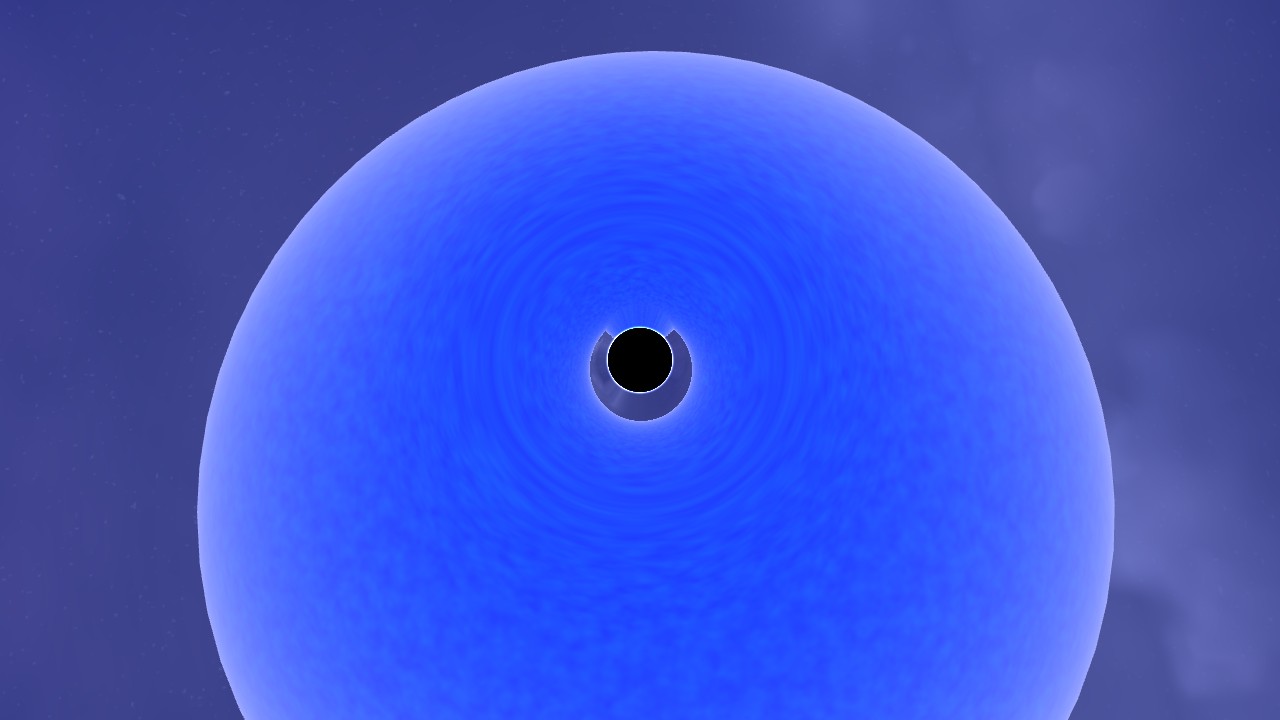
M33 X-7: a 15.7-solar-mass black hole and a 70-solar-mass O star on a 3.45-day eclipsing orbit, in the Triangulum Galaxy.
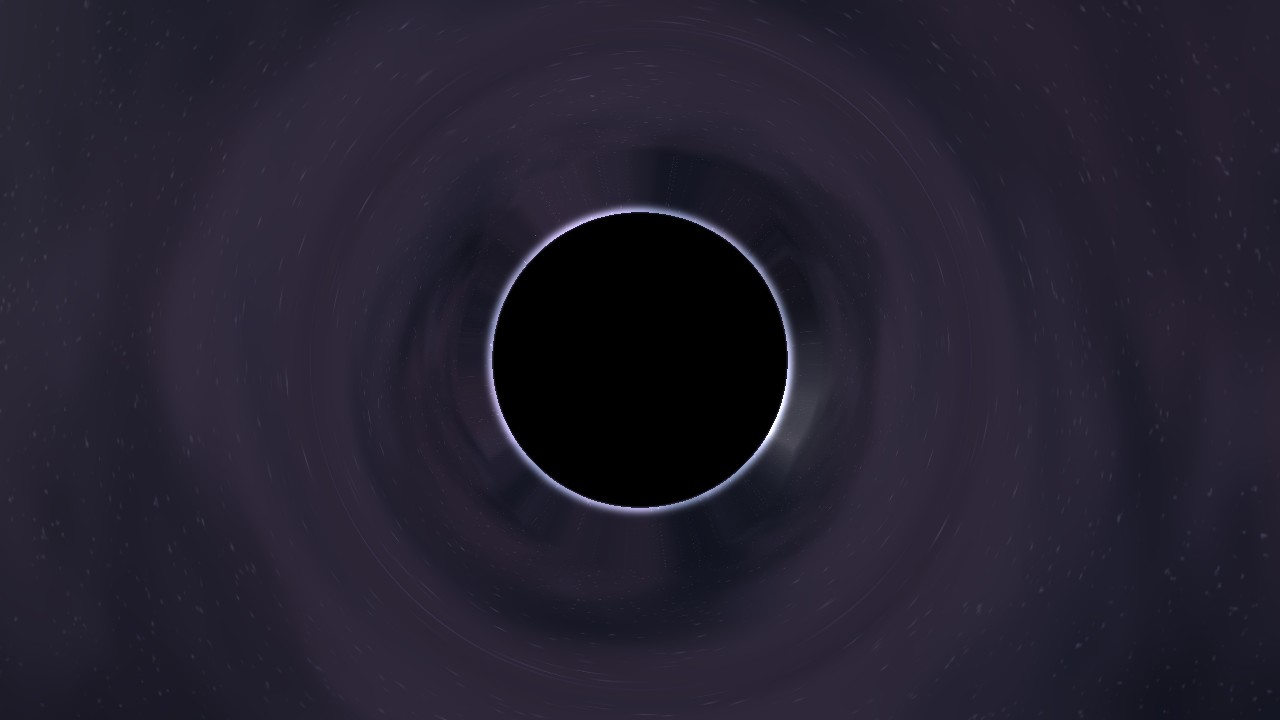
oMEGACat BH-2: a 4.46-solar-mass black hole and a turnoff star on a 94-year eccentric orbit in Omega Centauri.
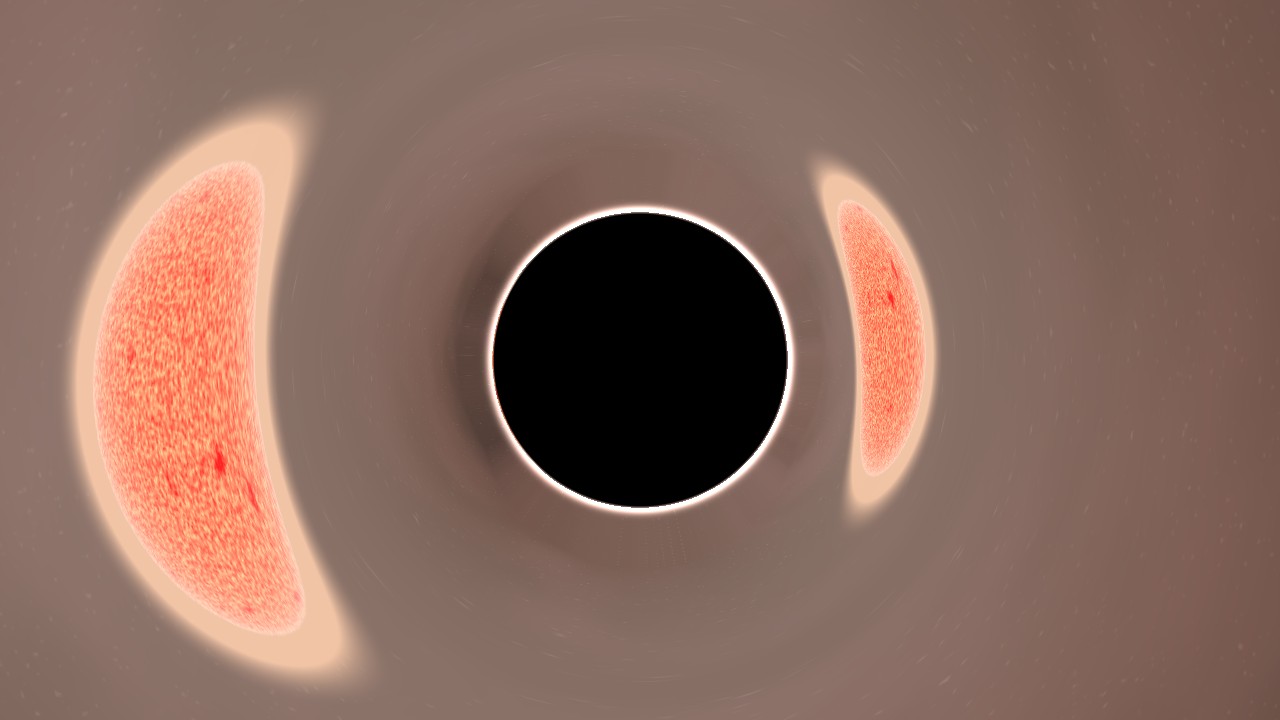
QZ Vulpeculae (GS 2000+25): a black hole of about 7.2 solar masses and a K dwarf on an 8.3-hour orbit.
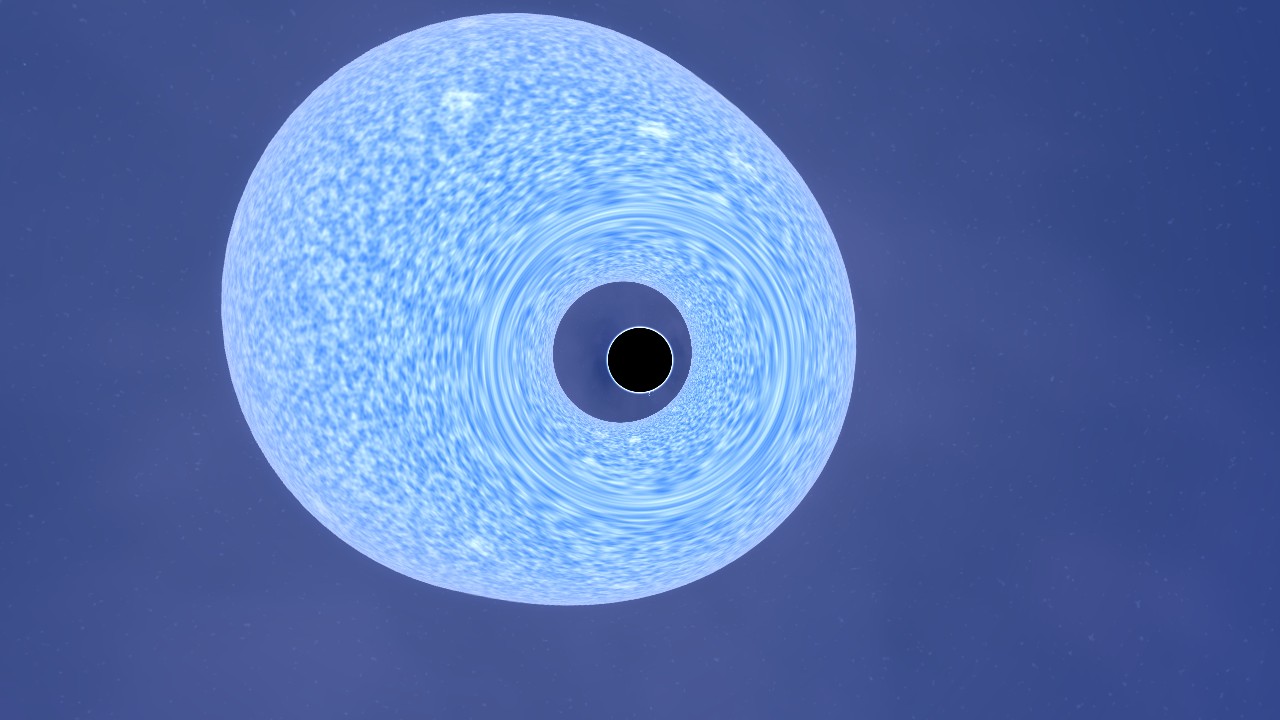
SS 433: a microquasar with a 13.1-day orbit, drawn with an 8-solar-mass black hole and an A supergiant.
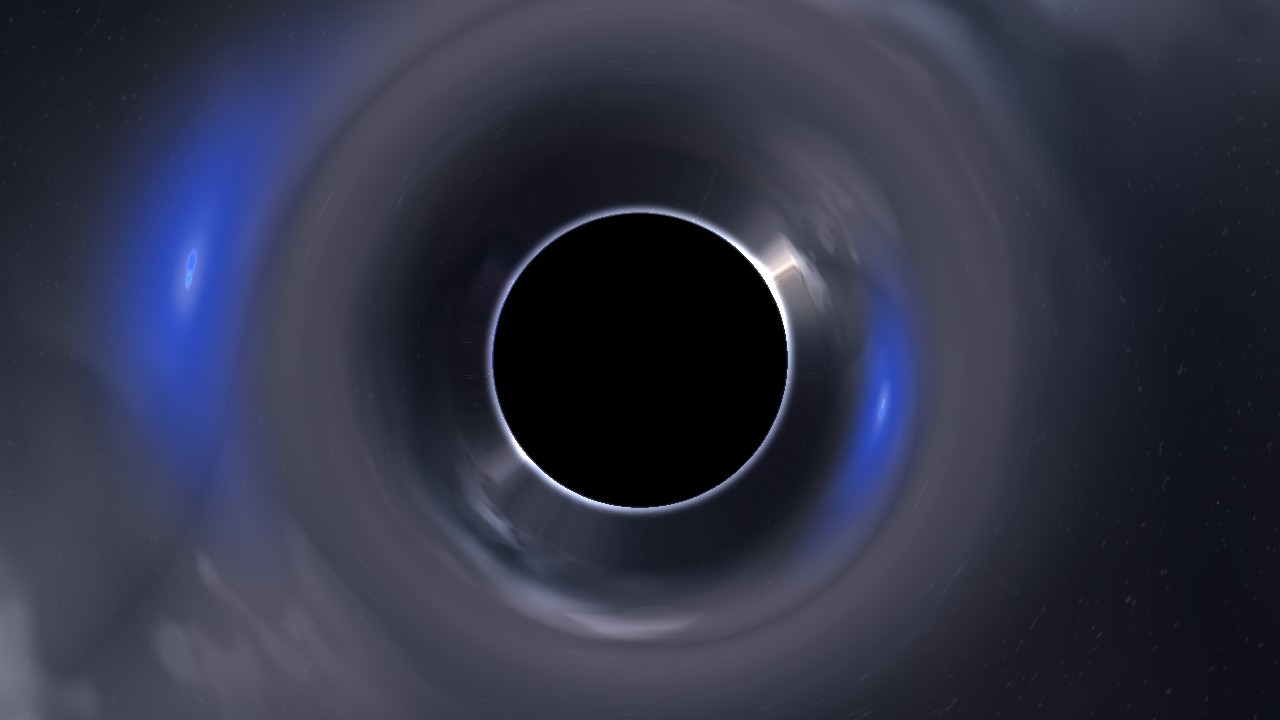
V Puppis: a candidate black hole of at least 10.4 solar masses orbiting a B-star eclipsing binary every 5.47 years.
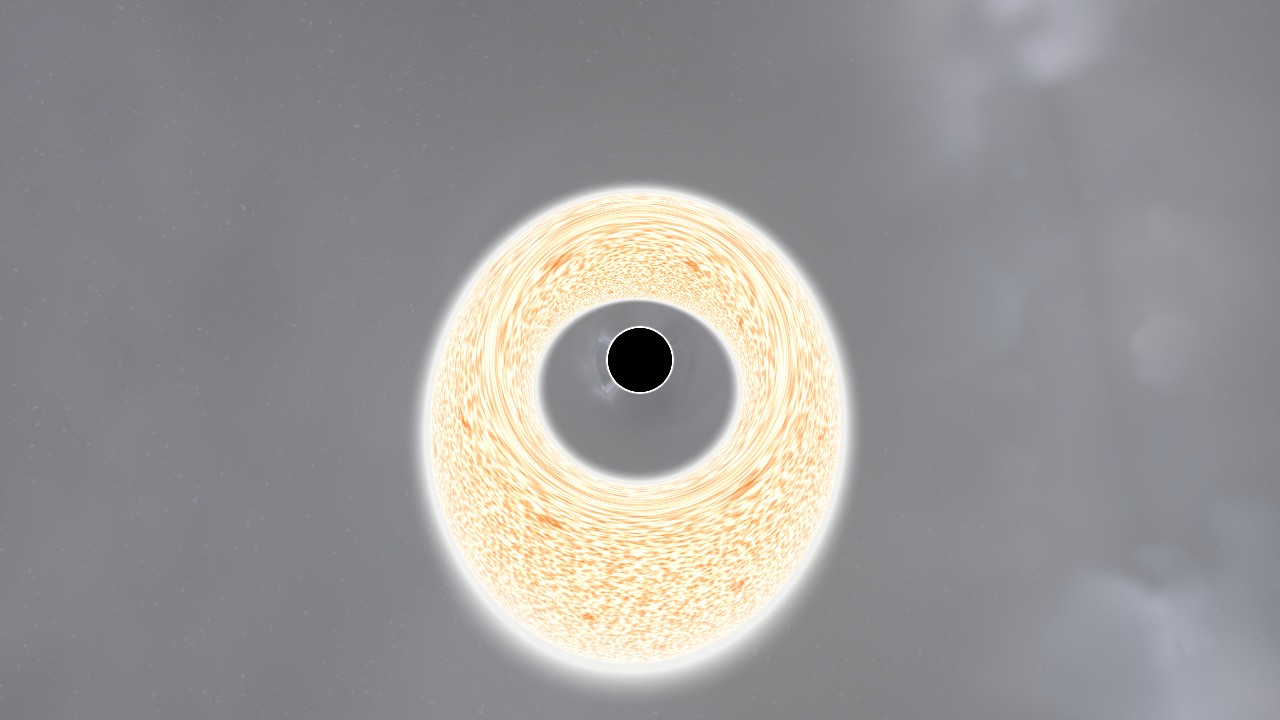
V1033 Scorpii (GRO J1655−40): a 6-solar-mass black hole and an F subgiant on a 2.62-day orbit.
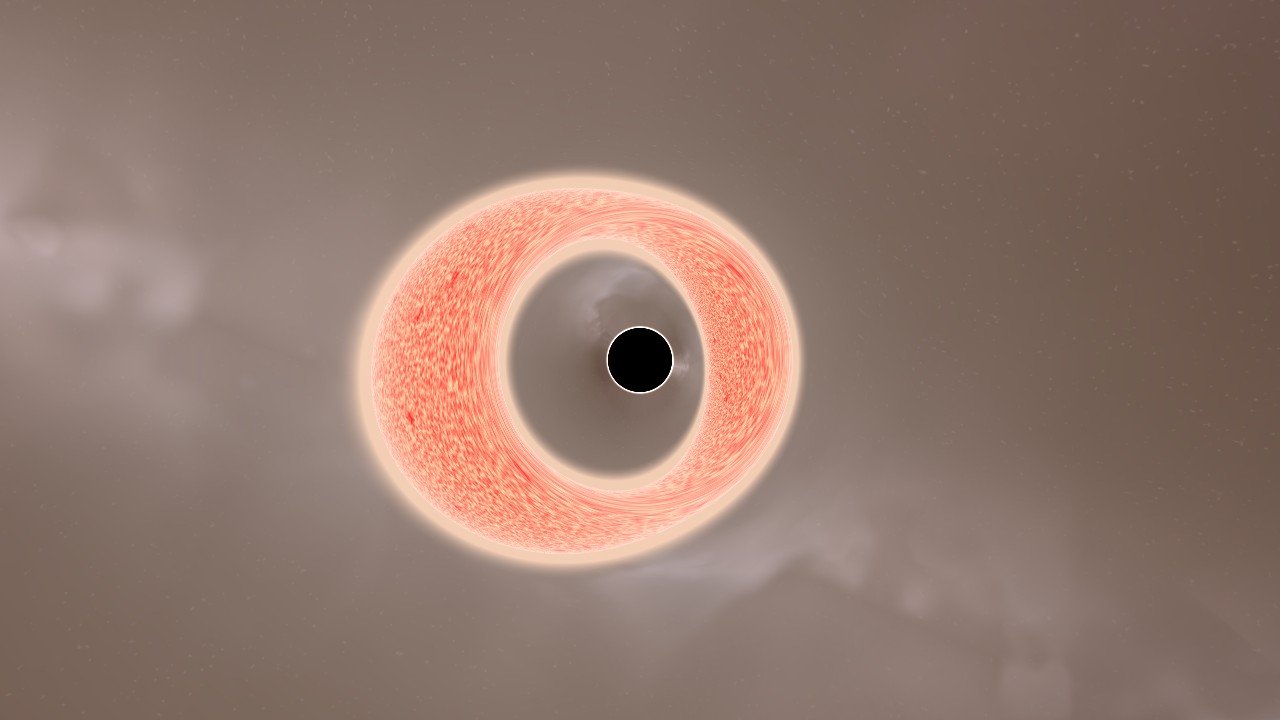
V1487 Aquilae (GRS 1915+105): a 10.1-solar-mass black hole and a K giant on a 33.8-day orbit.
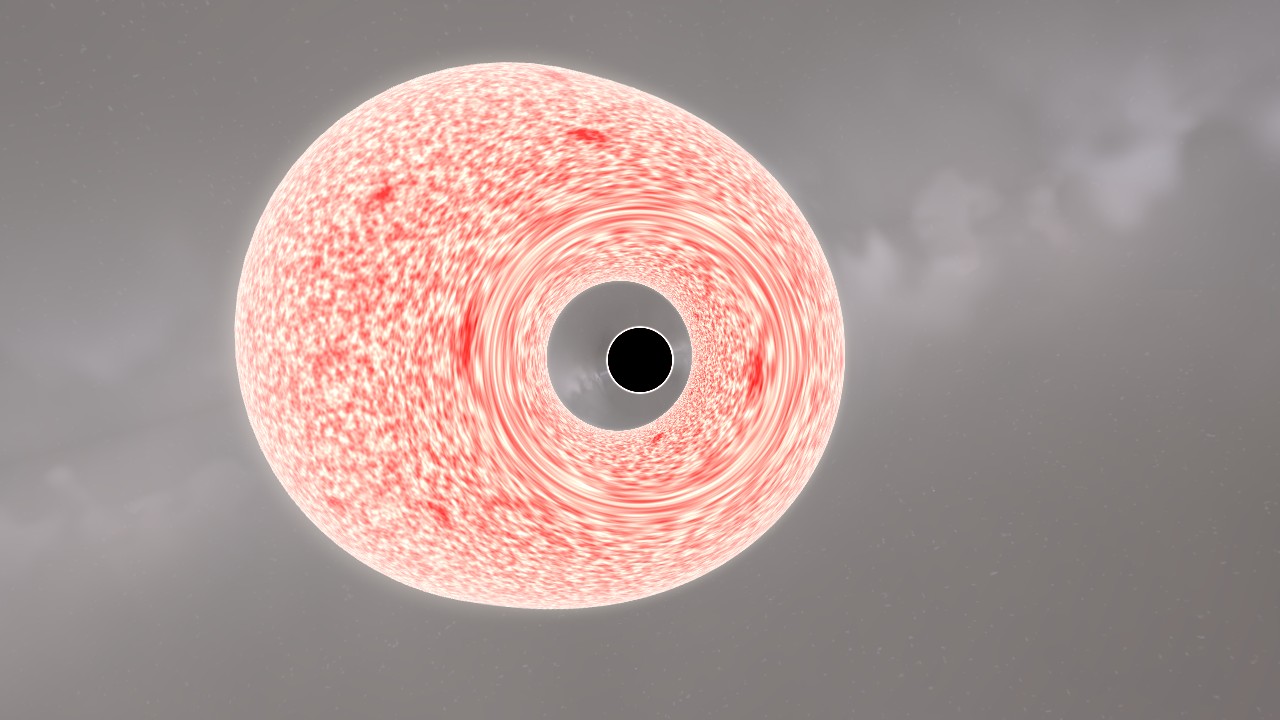
V381 Normae (XTE J1550−564): a black hole of about 9 solar masses and a K subgiant on a 1.54-day orbit.
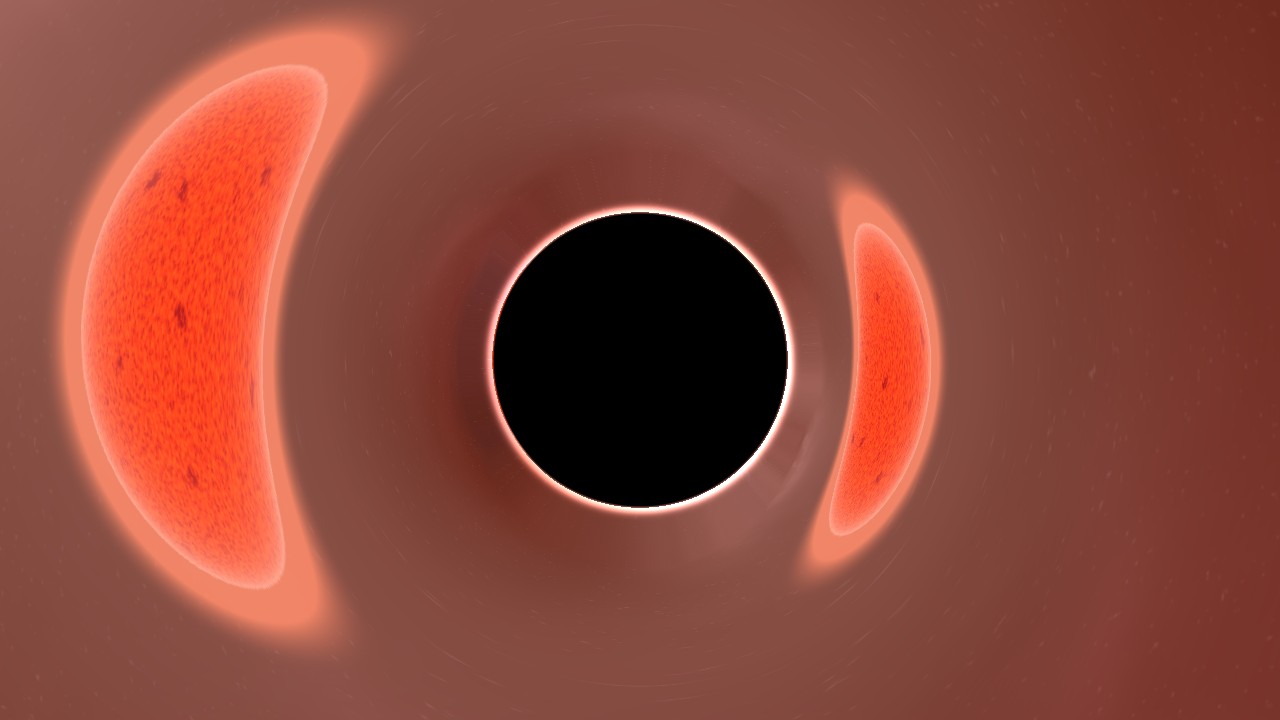
V518 Persei (GRO J0422+32): a black-hole candidate of uncertain mass, drawn at 4 solar masses, with an M dwarf on a 5.1-hour orbit.
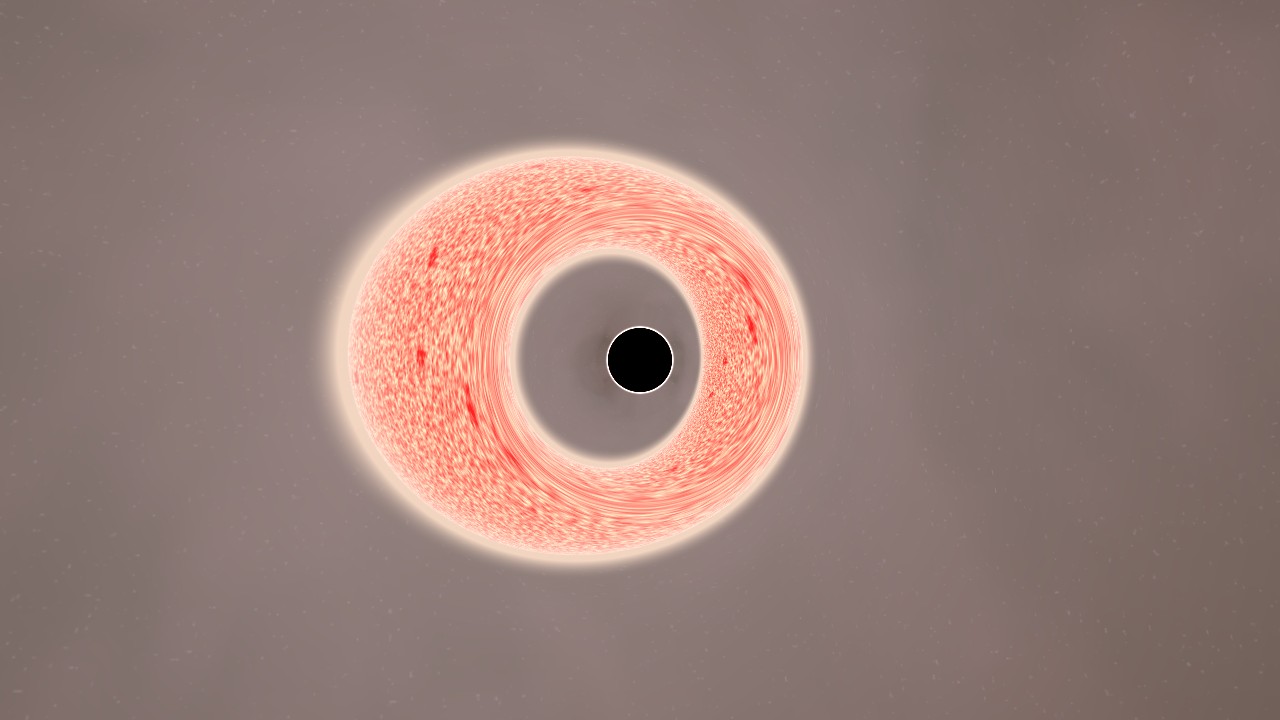
V616 Monocerotis (A0620−00): a 6.6-solar-mass black hole and a K dwarf on a 7.75-hour orbit.
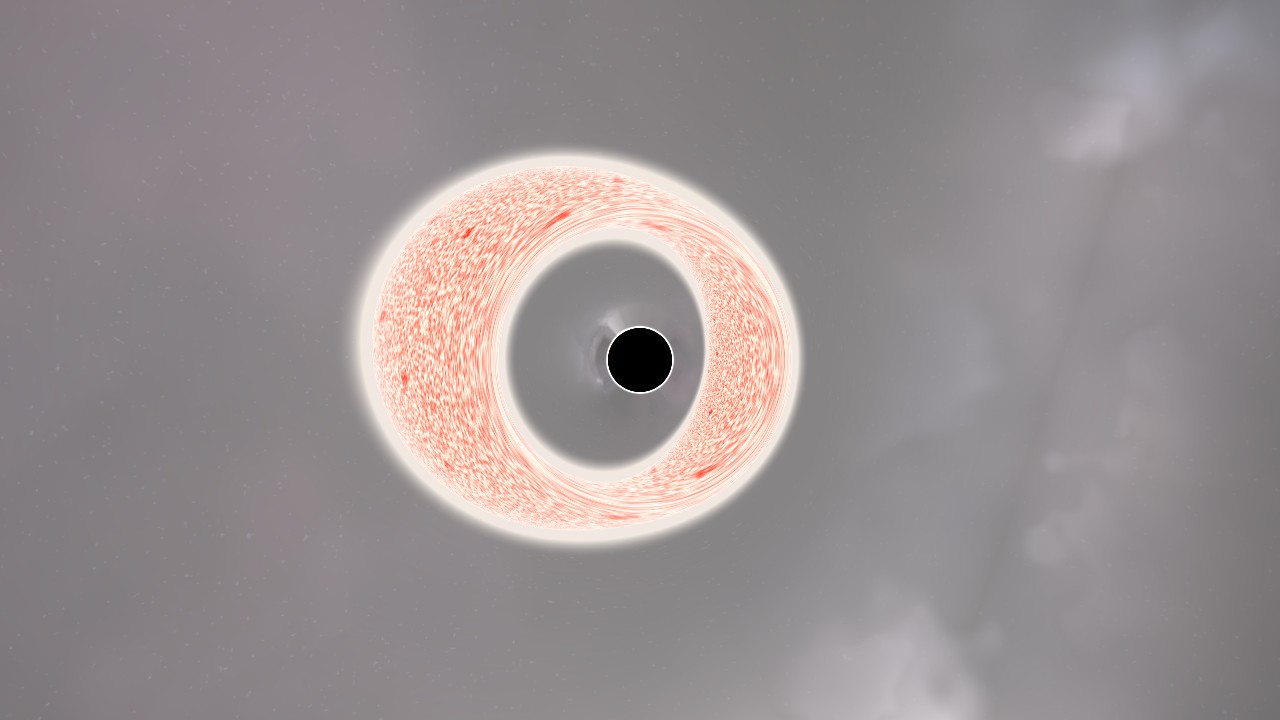
V821 Arae (GX 339−4): a black hole heavier than 6 solar masses, drawn at 9, and a low-mass donor on a 1.76-day orbit.
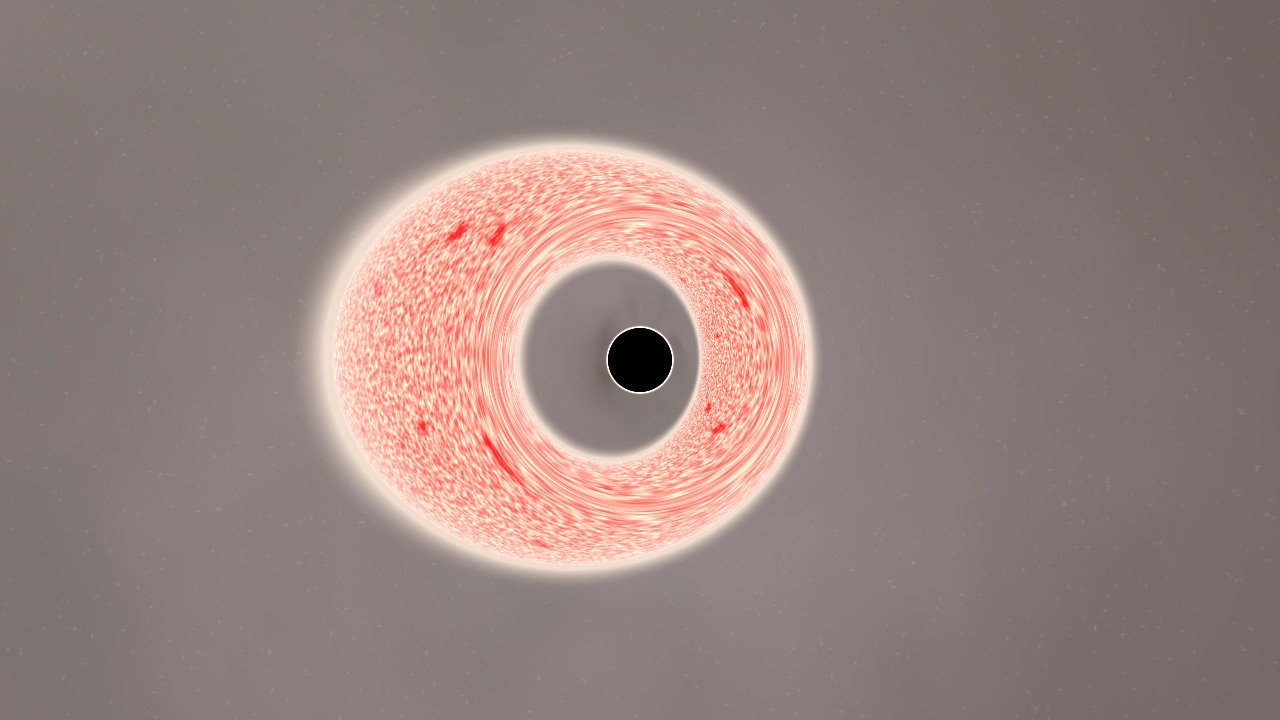
XTE J1650−500: a black hole lighter than 7.3 solar masses, drawn at 5, and a K dwarf on a 7.7-hour orbit.
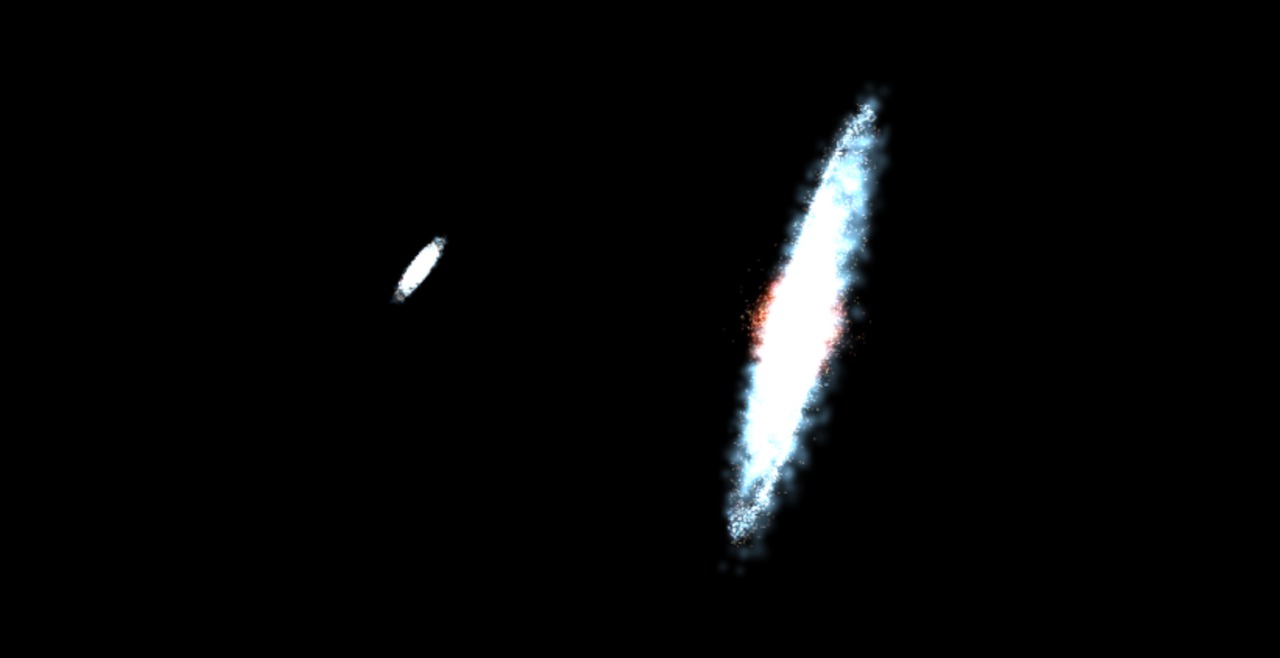
The Milky Way and the Magellanic Clouds, with Andromeda, Triangulum, and NGC 3109. Andromeda is closing on the Milky Way. NGC 3109 sits on the far side of the group.
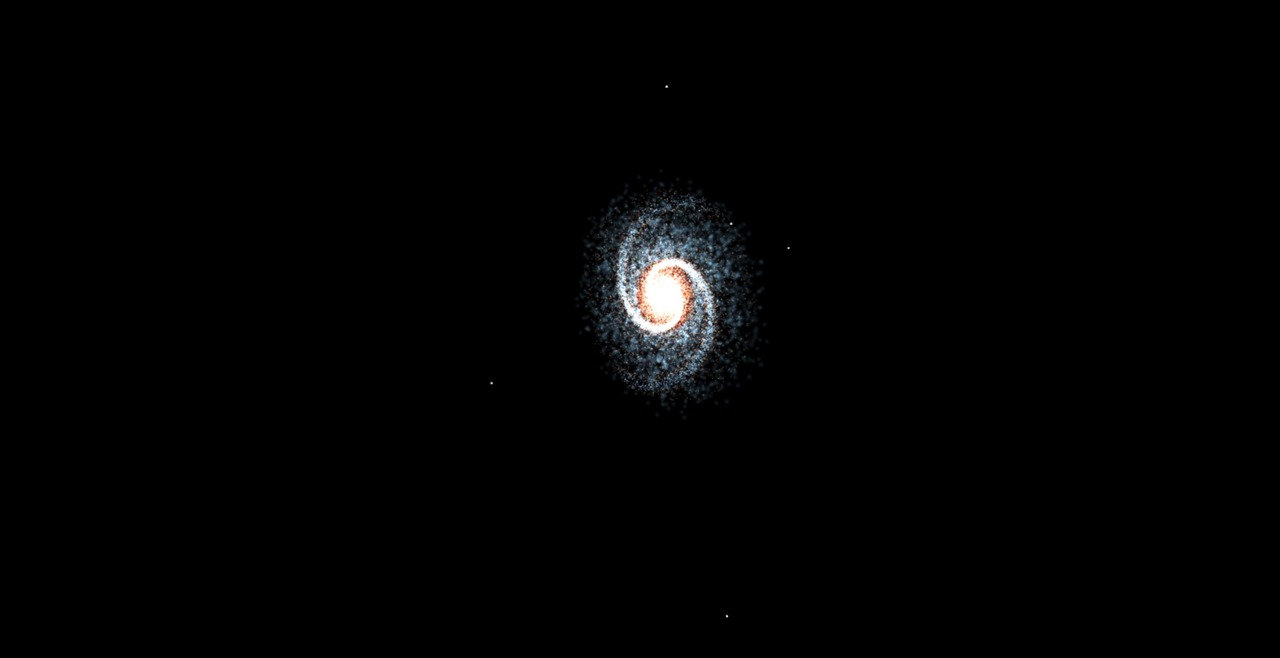
A large spiral galaxy with five globular clusters on wide halo orbits. Blue stars trace the arms; the clusters are compact red swarms.
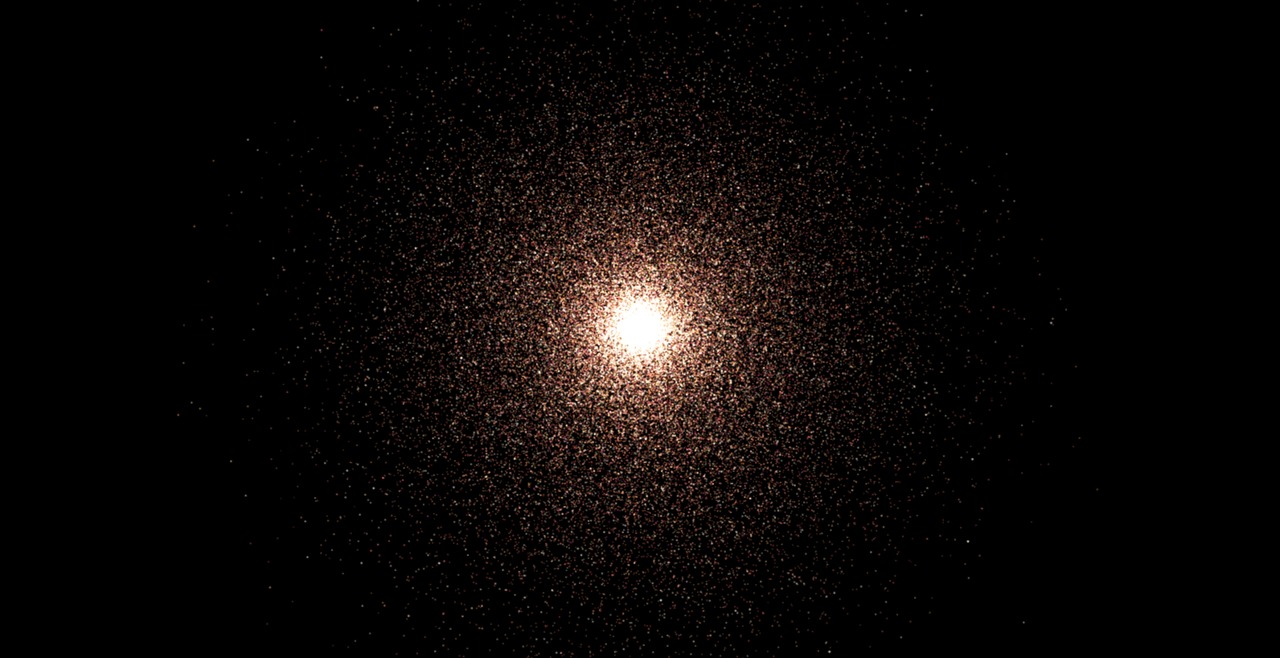
A smooth red stellar spheroid. The stars follow random bound orbits, with no disk and no spiral arms.
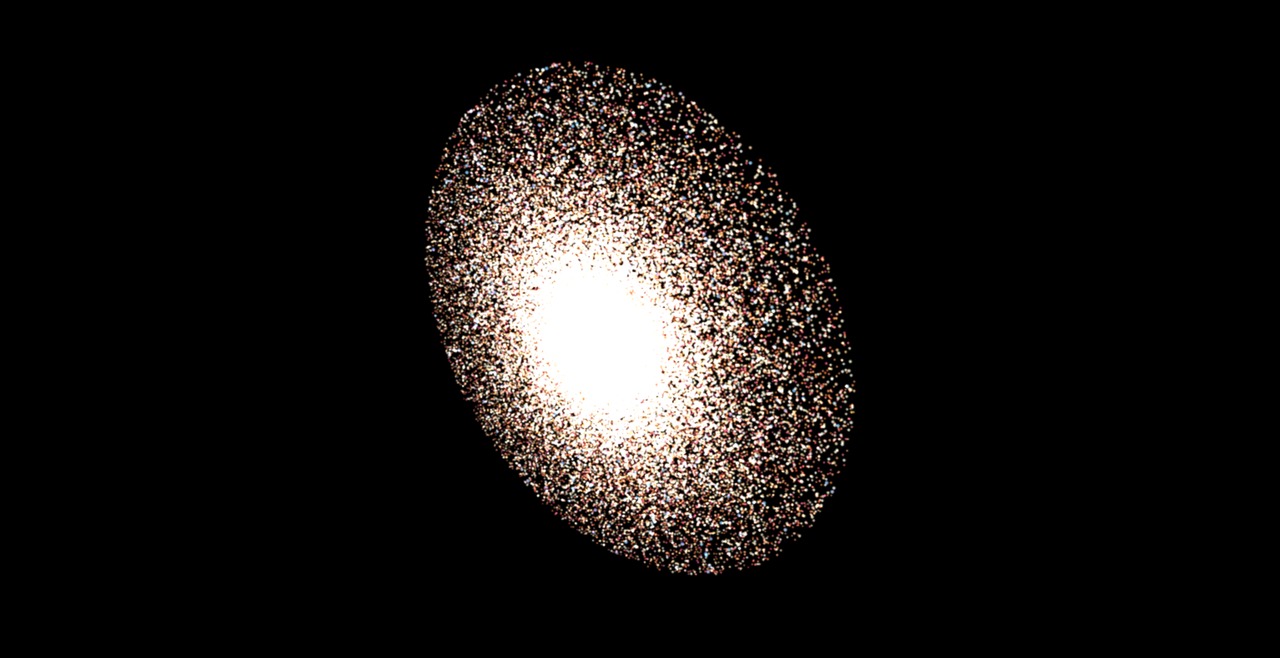
An S0 galaxy: a thin yellow disk and a large red bulge, with no spiral arms.