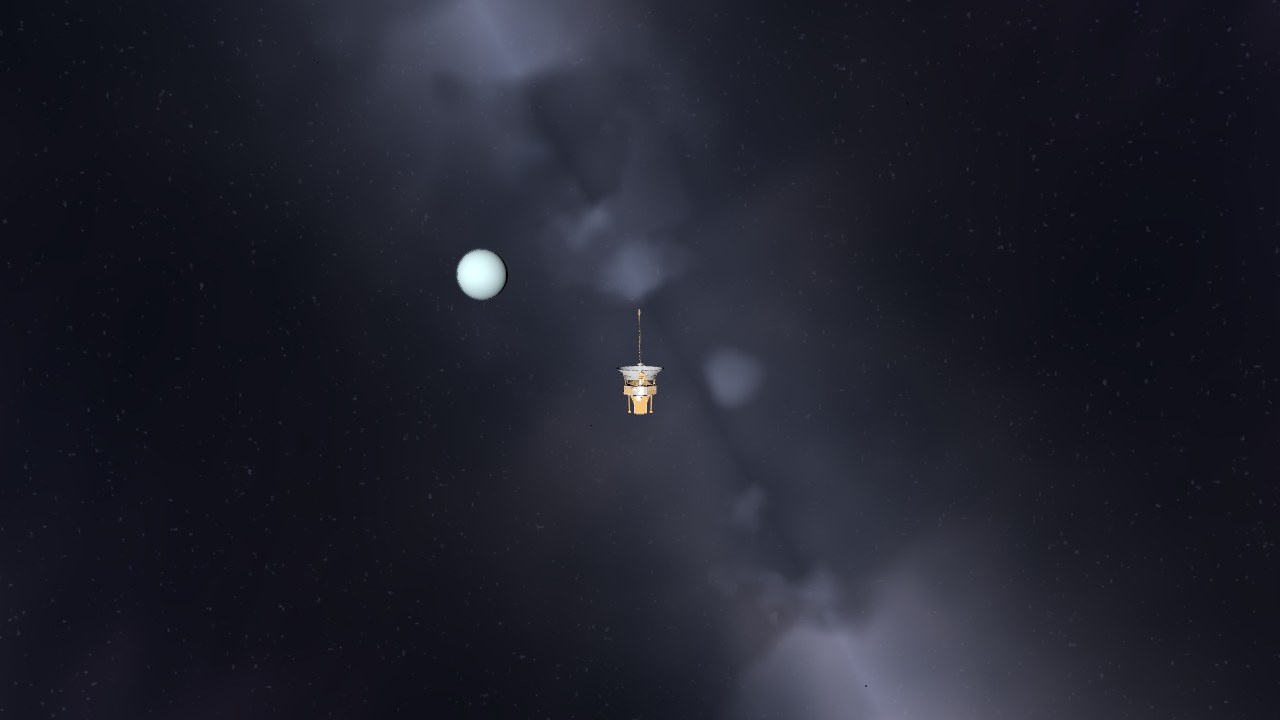
Voyager 2 Flyby of Uranus, 24 January 1986
Voyager 2 approaching Uranus from outside the major-moon orbits, starting 16 h before the 24 January 1986 closest approach (81,792 km altitude), with JPL Horizons states.
3D Space and Gravity Simulator. Simulate the solar system, exoplanets and even colliding galaxies. Add, delete and modify planets, and change the laws of physics.
Voyager 2 approaching Uranus from outside the major-moon orbits, starting 16 h before the 24 January 1986 closest approach (81,792 km altitude), with JPL Horizons states.
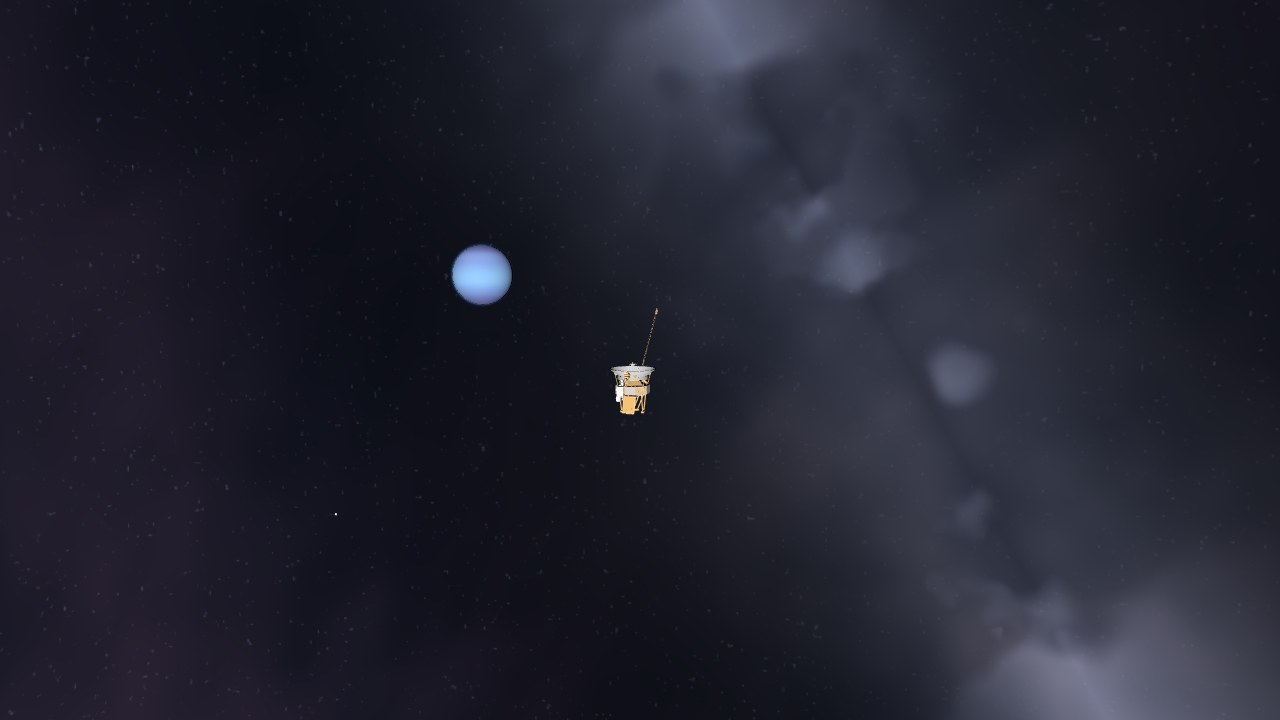
Voyager 2 approaching Neptune from outside the major-moon orbits, starting 11 h before the 25 August 1989 closest approach (4,619 km altitude), with JPL Horizons states.
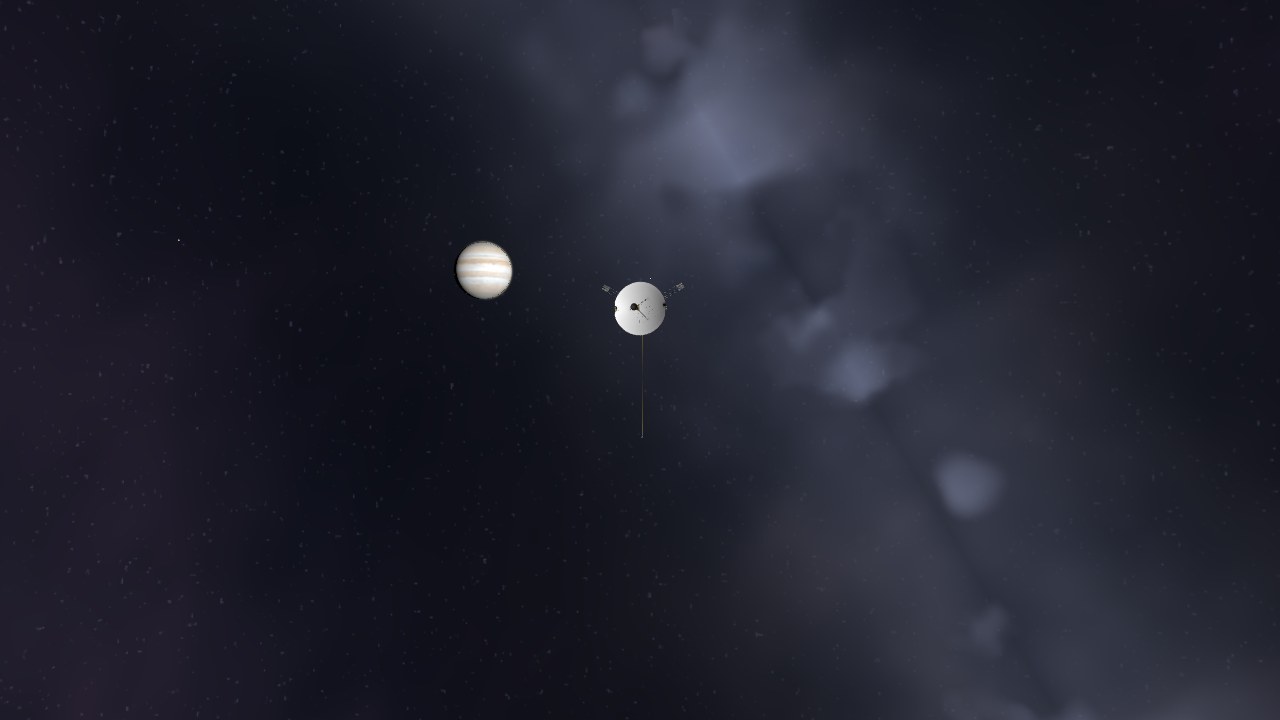
Pioneer 10 approaching Jupiter from outside the major-moon orbits, starting 1 day 12 h before the 4 December 1973 closest approach (133,211 km altitude), with JPL Horizons states.
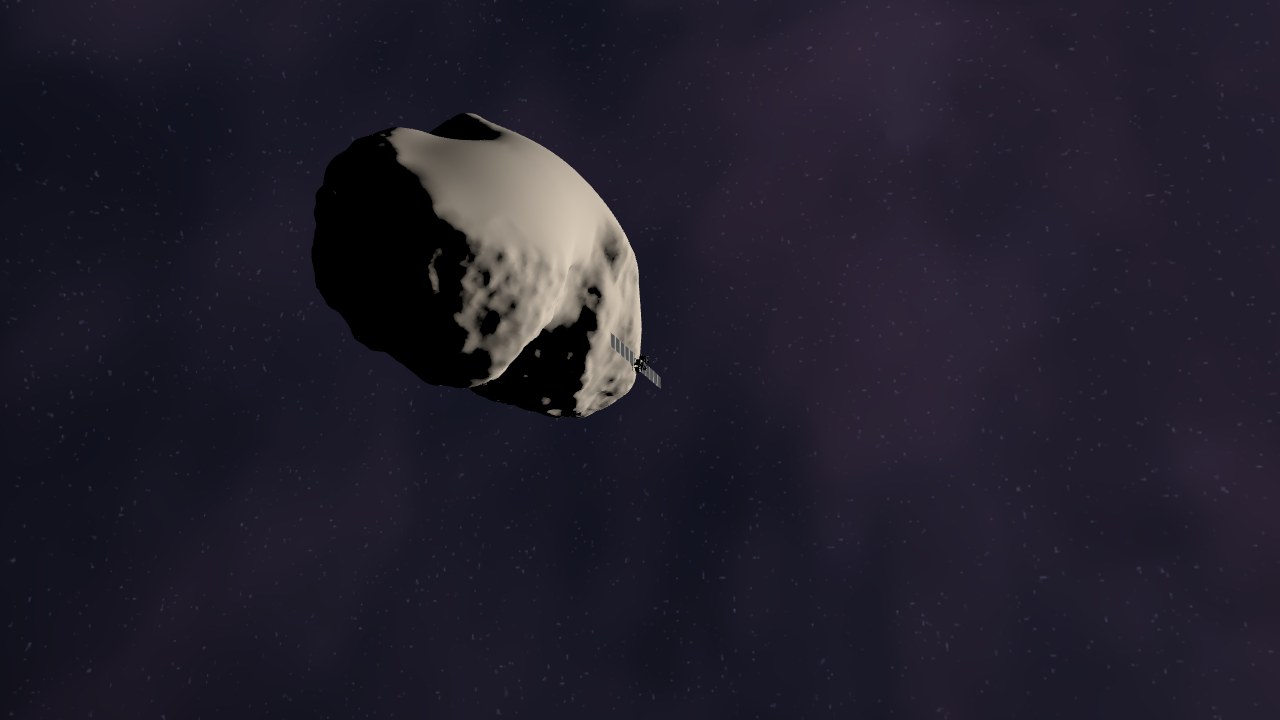
Rosetta in orbit around 67P/Churyumov-Gerasimenko on 10 October 2014, 10 km from the center, with JPL Horizons states.
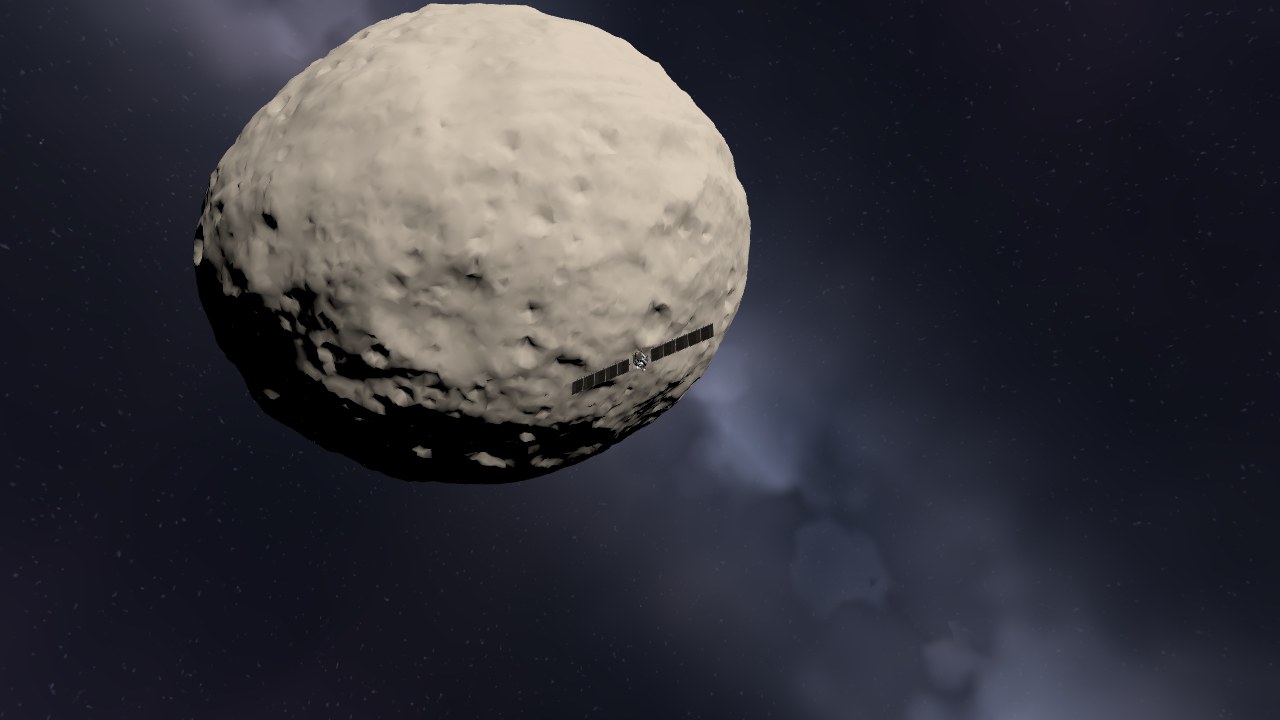
Dawn in orbit around Vesta on 15 October 2011, 965 km from the center, with JPL Horizons states.
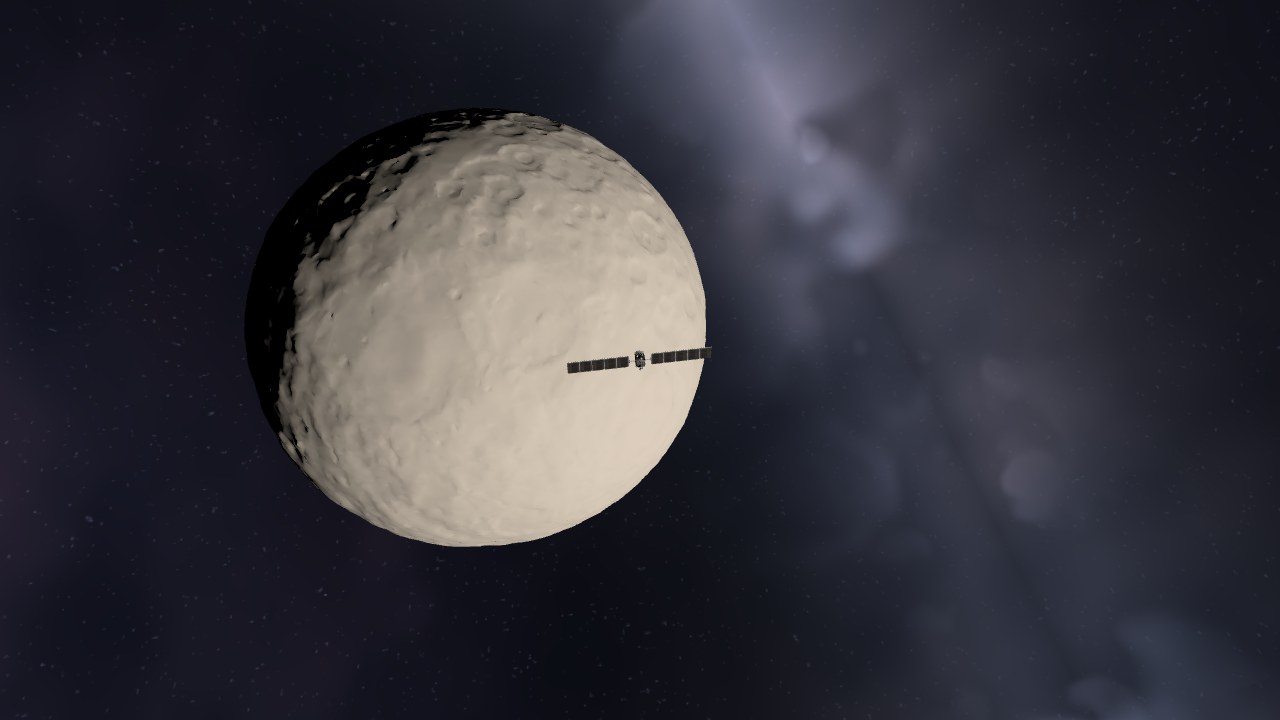
Dawn in orbit around Ceres on 1 September 2015, 1,941 km from the center, with JPL Horizons states.
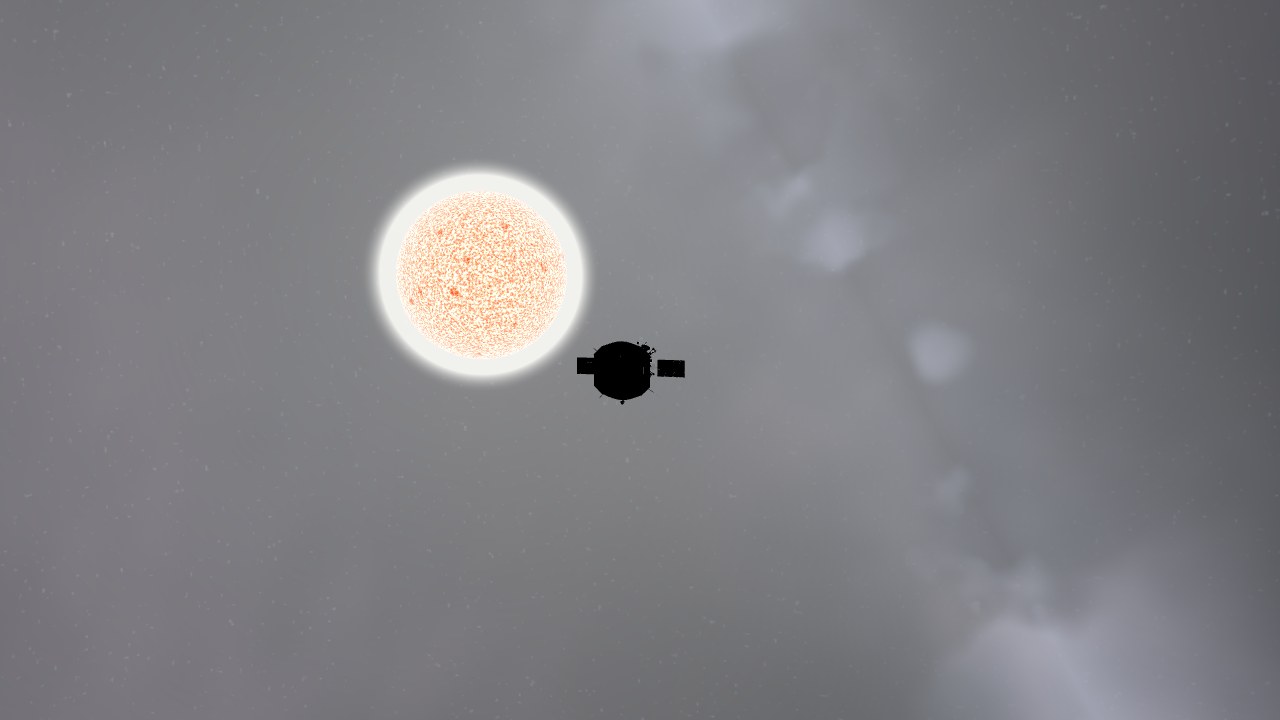
Parker Solar Probe six hours before its 2 December 2026 perihelion, 9.85 solar radii from the Sun's center, with JPL Horizons states.
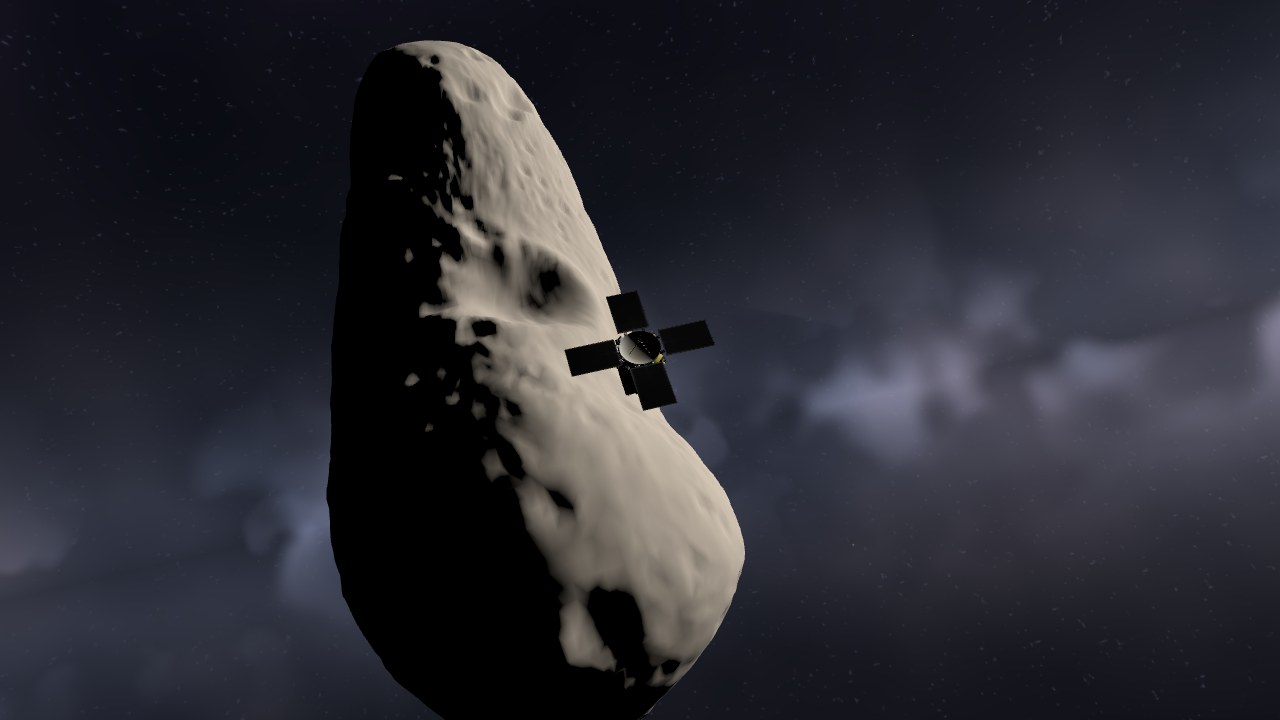
NEAR Shoemaker in orbit around Eros on 14 July 2000, 34 km from the center, with JPL Horizons states.
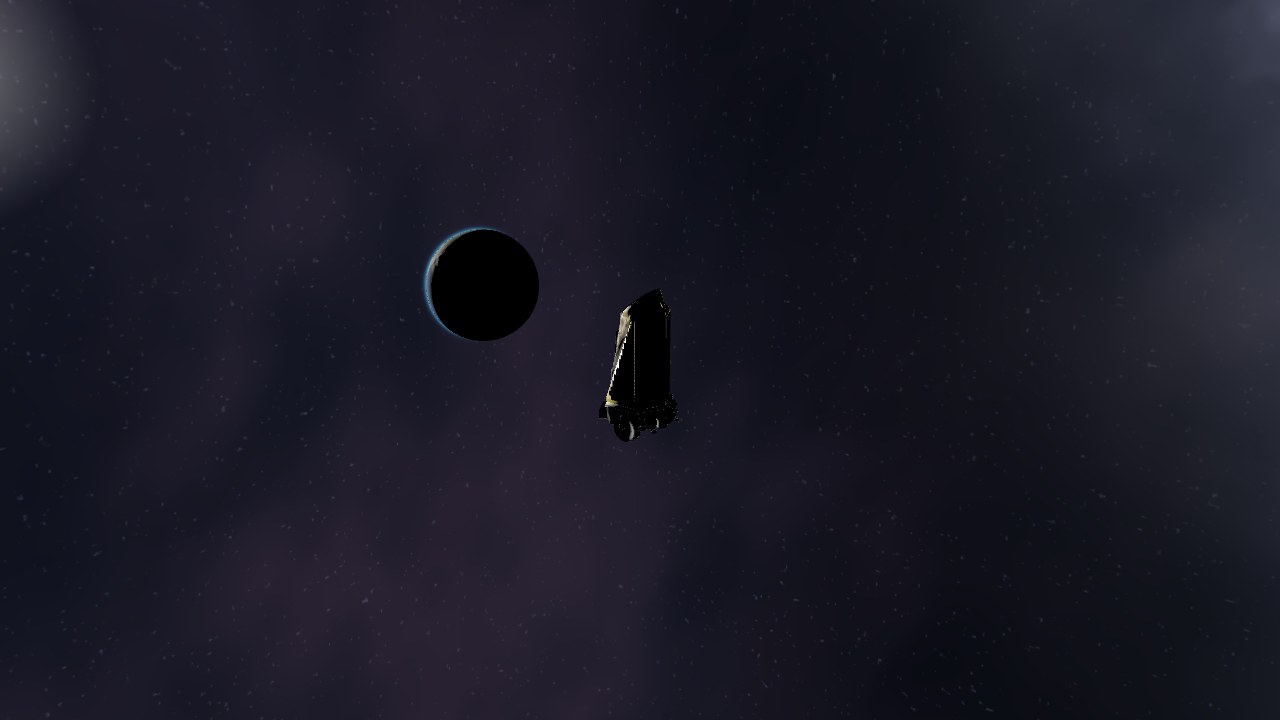
Kepler on 7 March 2009, 101,604 km from Earth at the start of its Earth-trailing solar orbit, with JPL Horizons states.
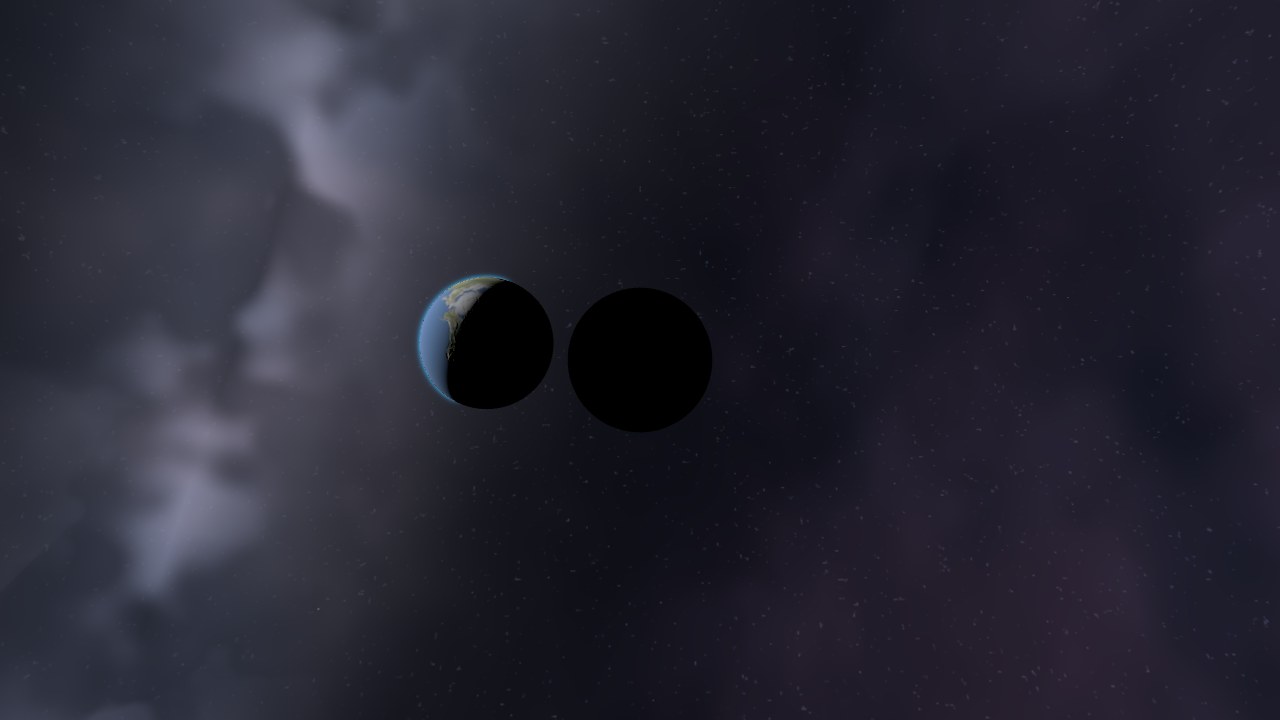
Spitzer on 25 August 2003, 85,460 km from Earth at the start of its Earth-trailing solar orbit, with JPL Horizons states.
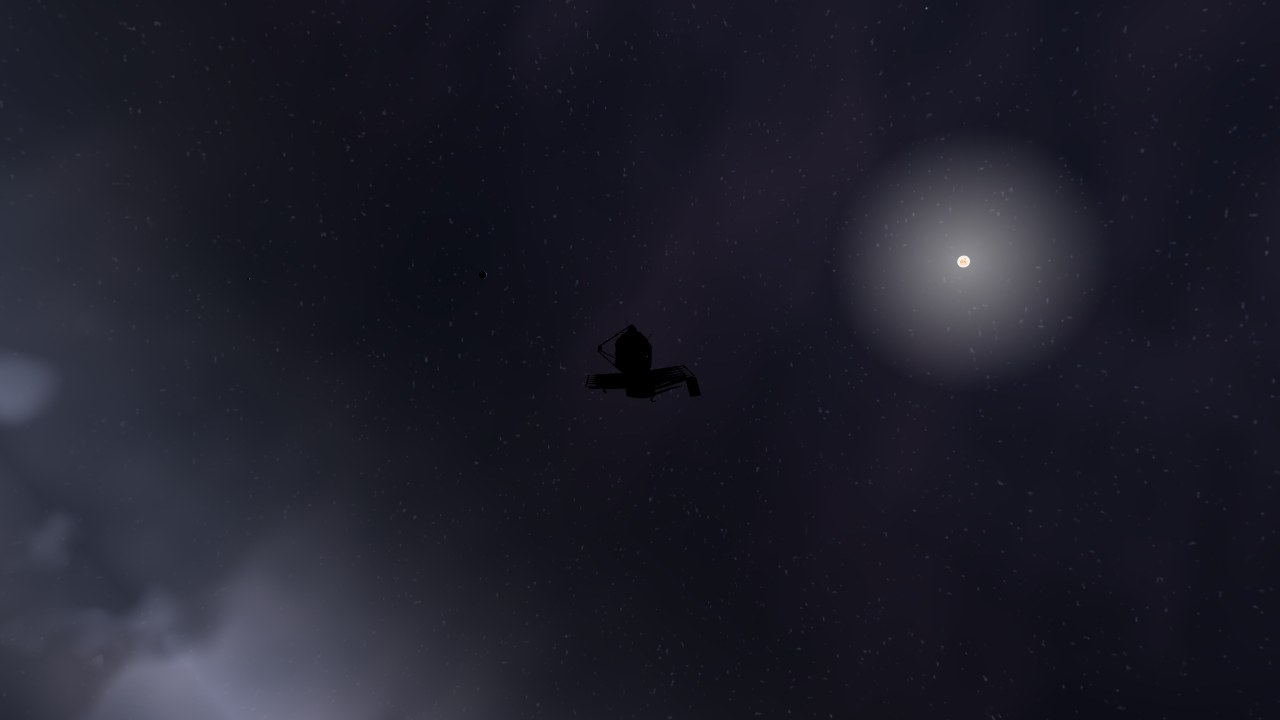
The James Webb Space Telescope and the Nancy Grace Roman Space Telescope on 20 October 2026, both about 1.5 million km from Earth in the Sun-Earth L2 region, with JPL Horizons states.
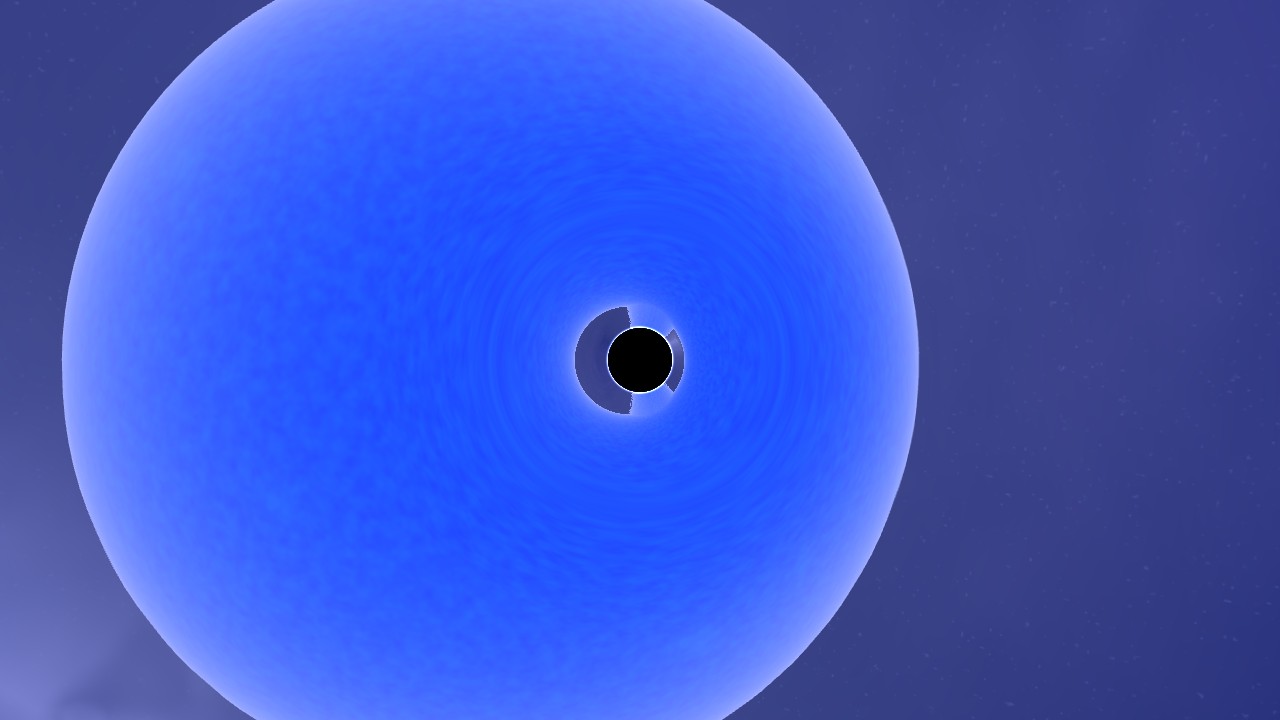
Cygnus X-1: a 21.2-solar-mass black hole and the O supergiant HDE 226868 on a 5.6-day orbit.
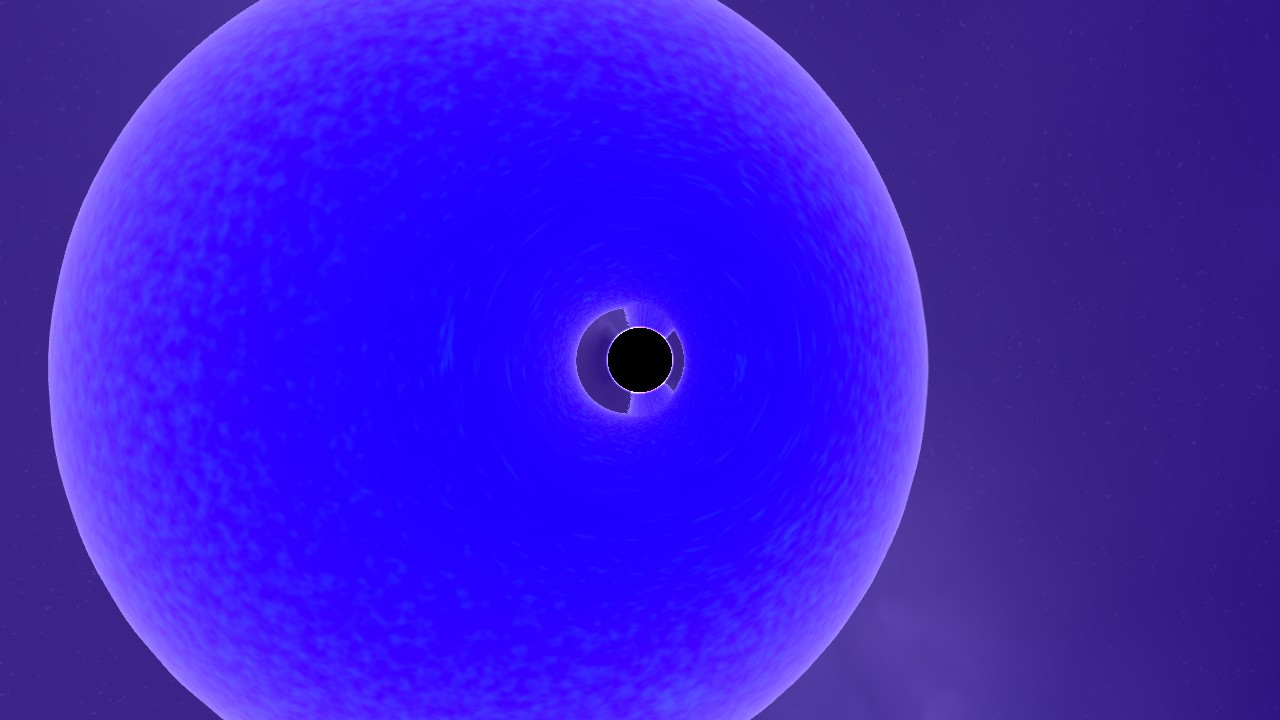
Cygnus X-3: a Wolf–Rayet star and a compact object, drawn here as a 5-solar-mass black hole, on a 4.8-hour orbit.
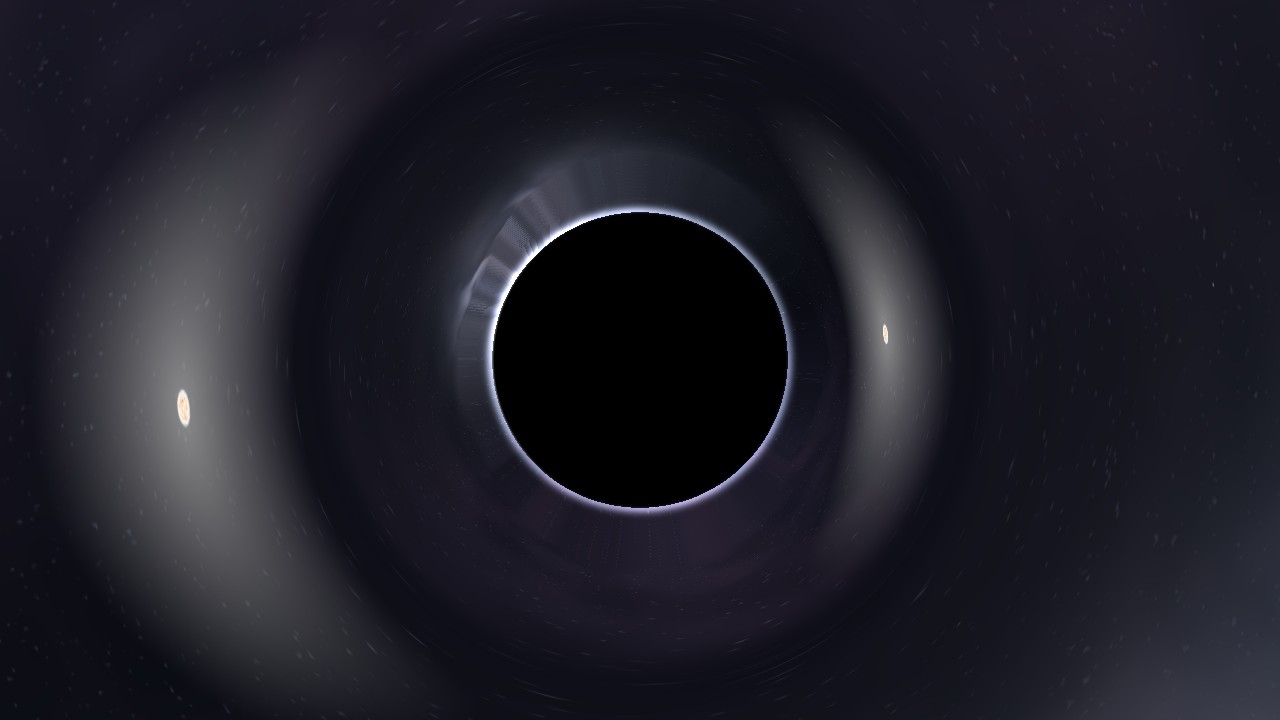
Gaia BH1: a 9.27-solar-mass dormant black hole and a Sun-like star on a 185-day eccentric orbit.
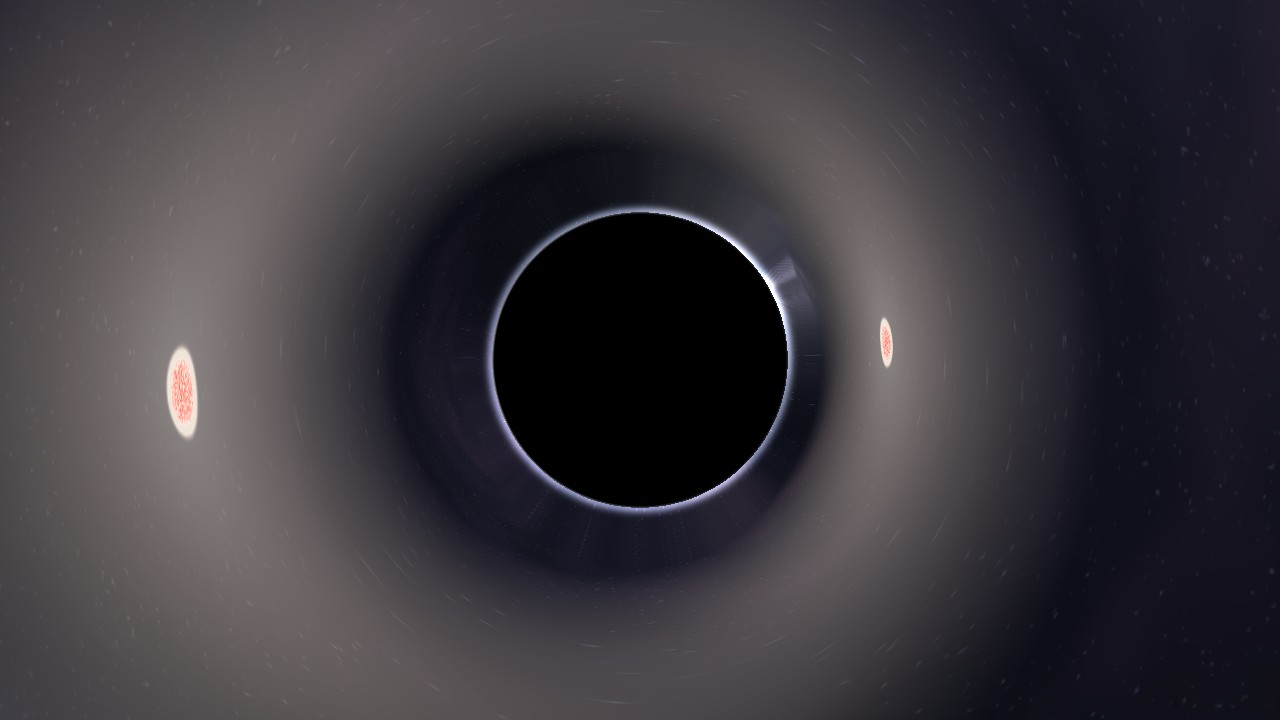
Gaia BH2: an 8.9-solar-mass black hole and a red giant on a 1,277-day eccentric orbit.
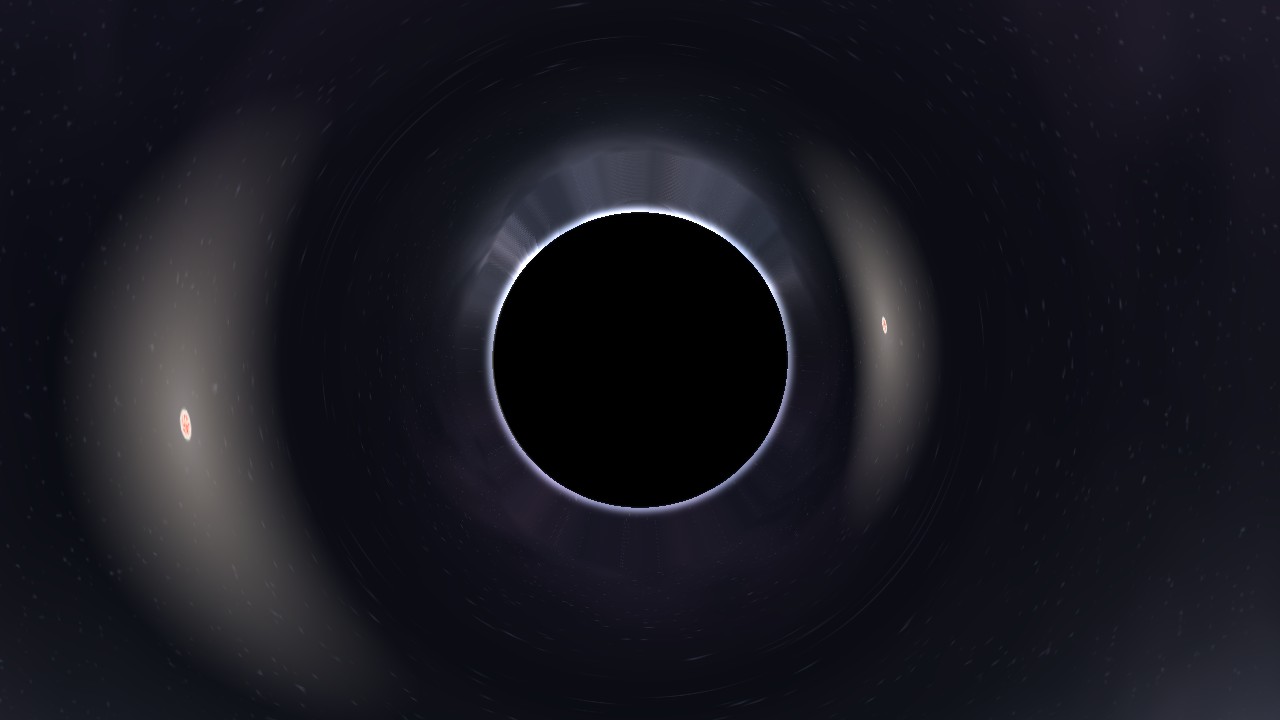
Gaia BH3: a 32.7-solar-mass black hole, the heaviest known stellar black hole in the Milky Way, and a metal-poor giant on an 11.6-year orbit.
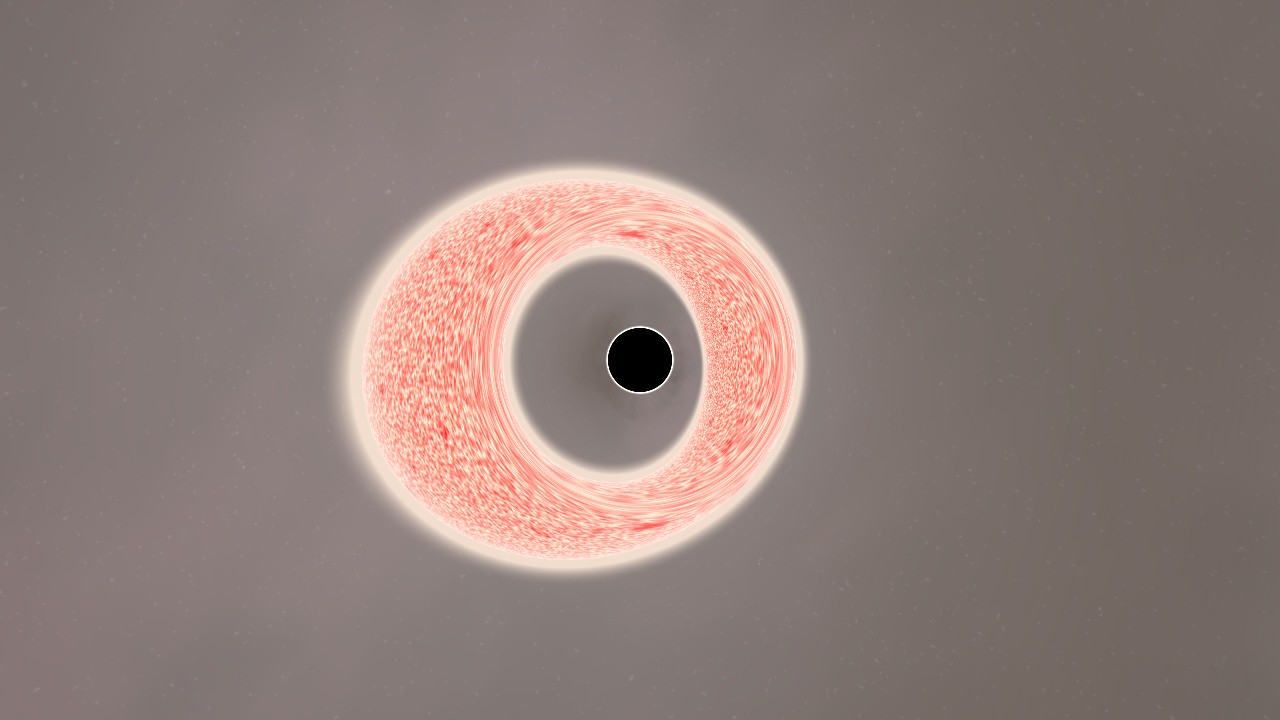
GU Muscae (GRS 1124−683): a black hole of about 5.7 solar masses and a K dwarf on a 10.4-hour orbit.
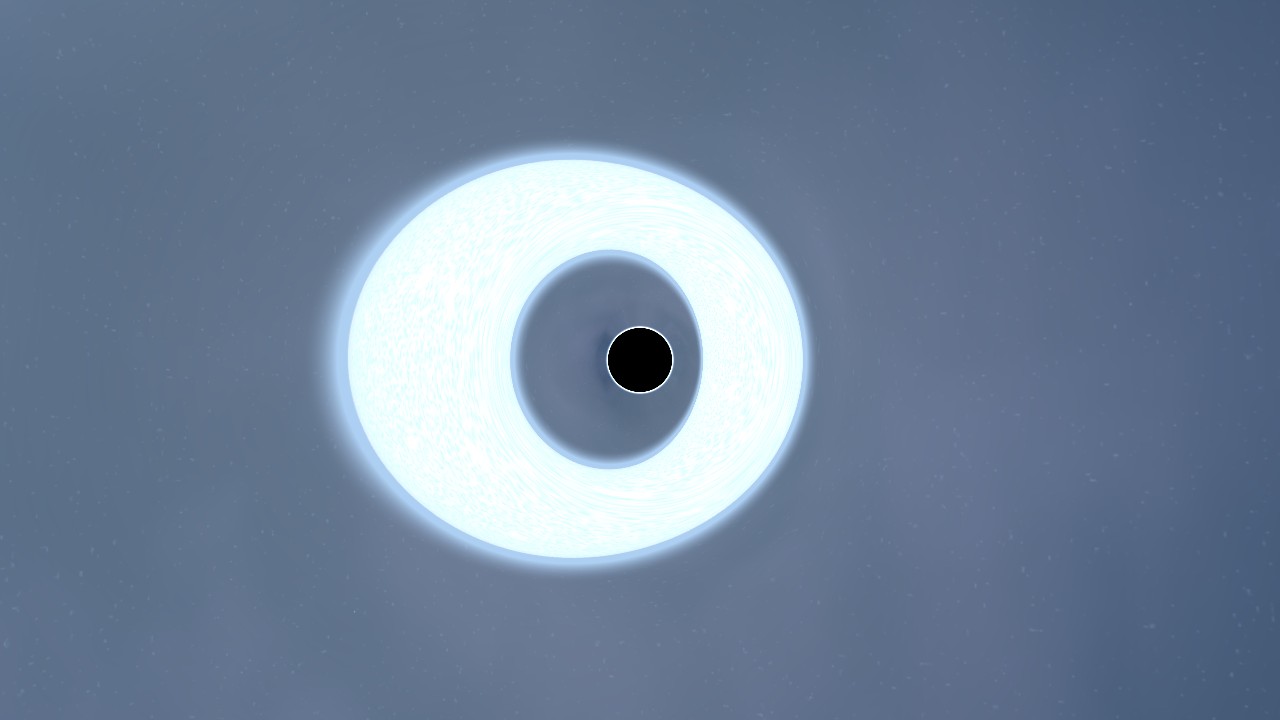
IL Lupi (4U 1543−475): a black hole of about 9.4 solar masses and an A2 dwarf on a 1.12-day orbit.