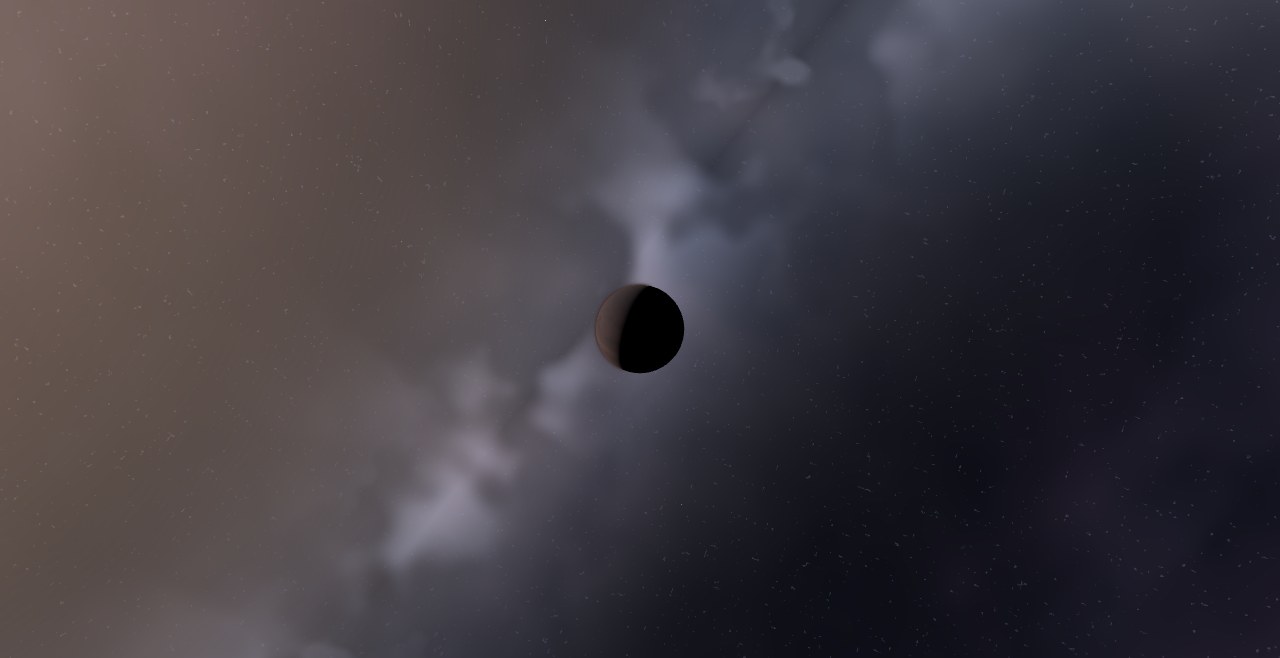
HATS-49 - System
HATS-49, an orange K-type dwarf of 0.71 solar masses, and HATS-49 b, a 0.35-Jupiter-mass companion, with an orbital period of 4.1 days, at 0.045 AU from its star, and an equilibrium temperature near 835 K.
3D Space and Gravity Simulator. Simulate the solar system, exoplanets and even colliding galaxies. Add, delete and modify planets, and change the laws of physics.
Share
HATS-49, an orange K-type dwarf of 0.71 solar masses, and HATS-49 b, a 0.35-Jupiter-mass companion, with an orbital period of 4.1 days, at 0.045 AU from its star, and an equilibrium temperature near 835 K.
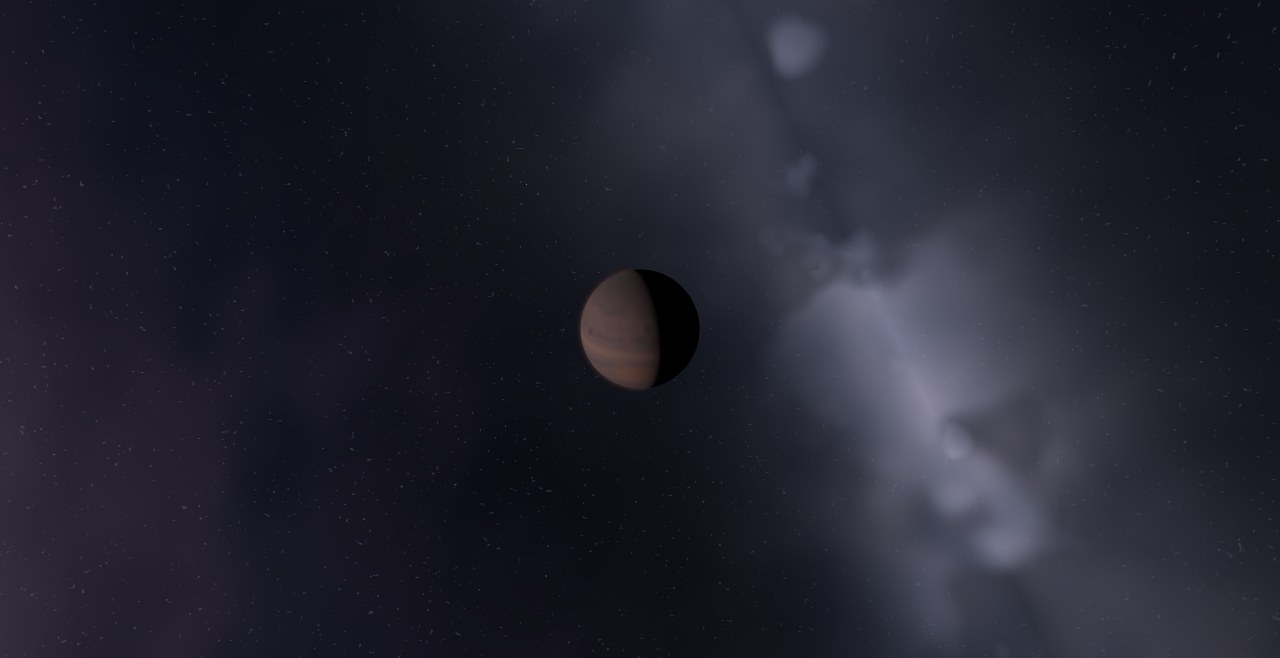
HATS-5, a Sun-like G-type star of 0.94 solar masses, and HATS-5 b, a 0.24-Jupiter-mass companion, with an orbital period of 4.8 days, at 0.054 AU from its star, and an equilibrium temperature near 1,025 K.
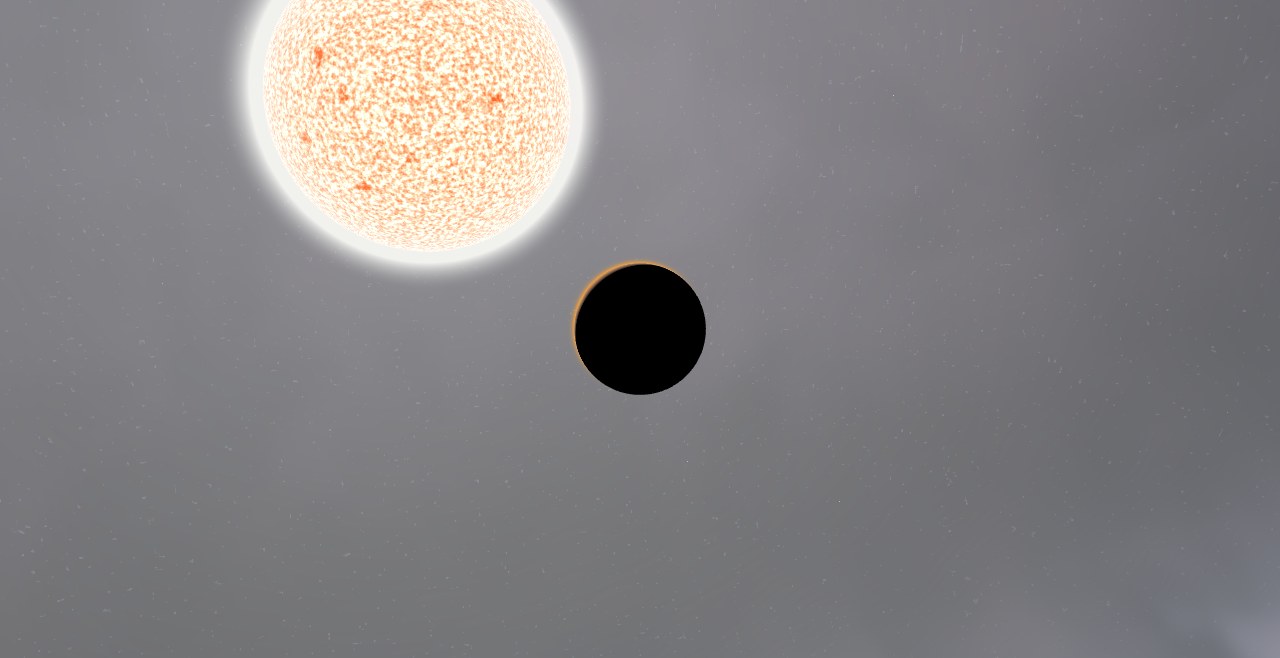
HATS-50, a Sun-like G-type star of 1.17 solar masses, and HATS-50 b, a 0.39-Jupiter-mass companion, with an orbital period of 3.8 days, at 0.050 AU from its star, on an eccentric orbit (e ≈ 0.52).
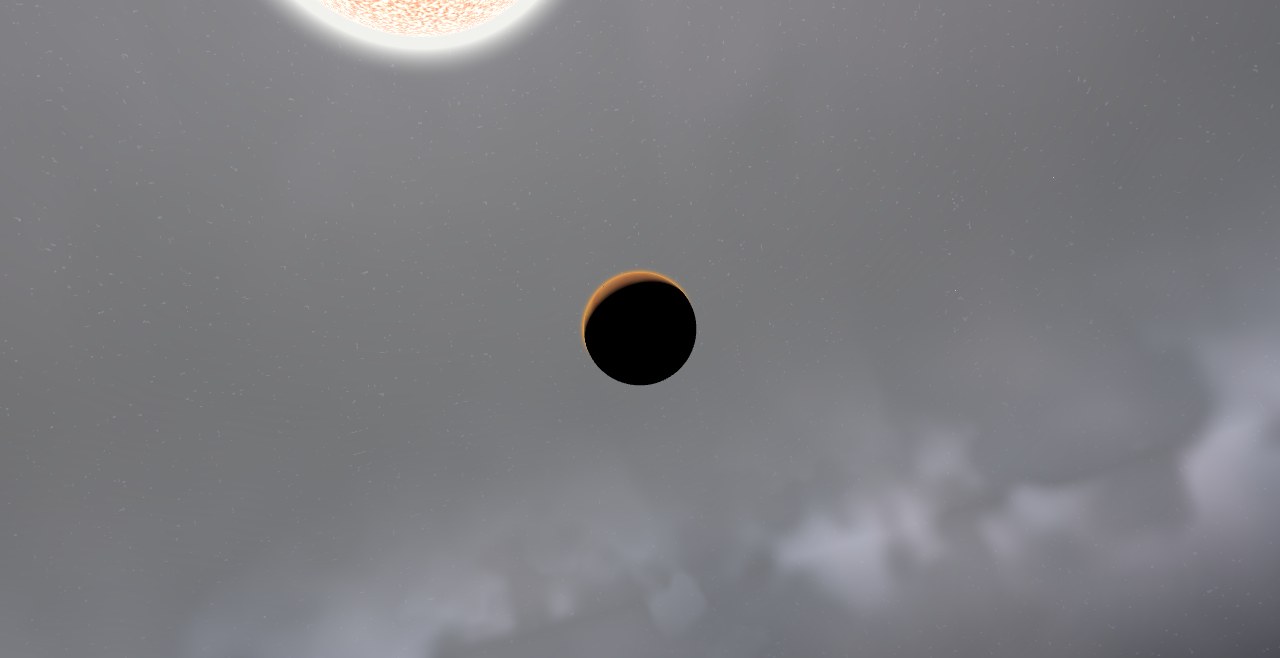
HATS-51, a Sun-like G-type star of 1.19 solar masses, and HATS-51 b, a 0.77-Jupiter-mass companion, with an orbital period of 3.3 days, at 0.046 AU from its star, and an equilibrium temperature near 1,553 K.
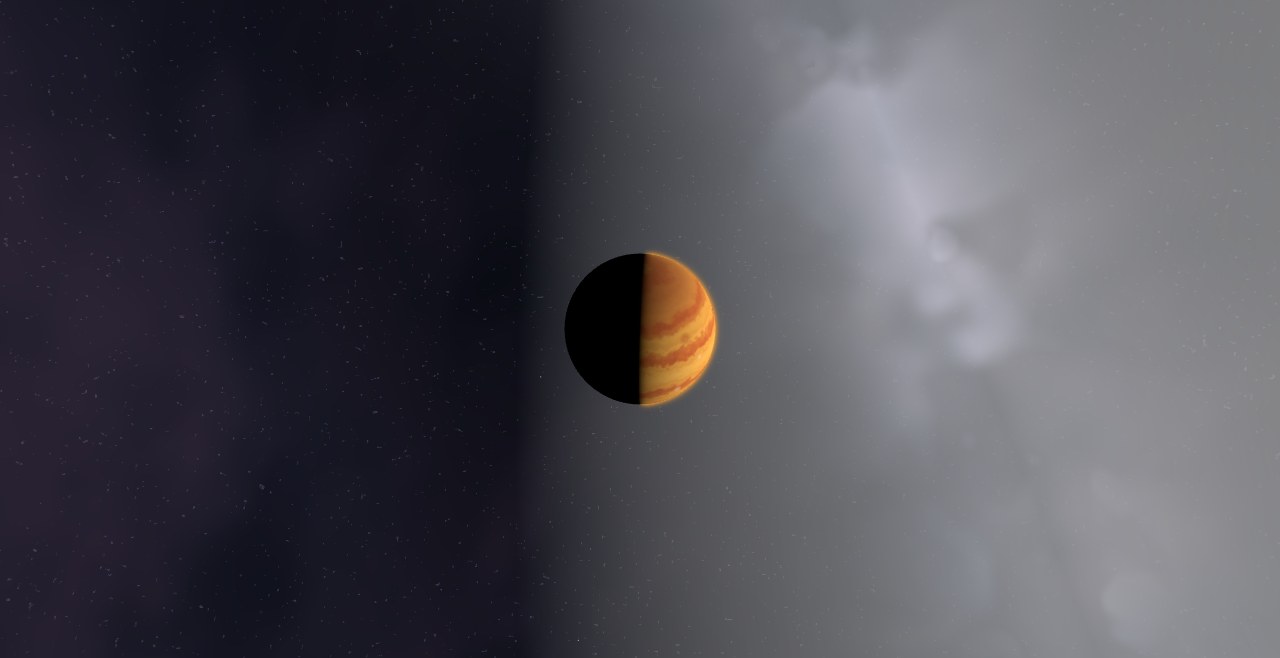
HATS-52, a Sun-like F-type star of 1.11 solar masses, and HATS-52 b, a 2.24-Jupiter-mass companion, with an orbital period of 1.4 days, at 0.025 AU from its star, and an equilibrium temperature near 1,834 K.
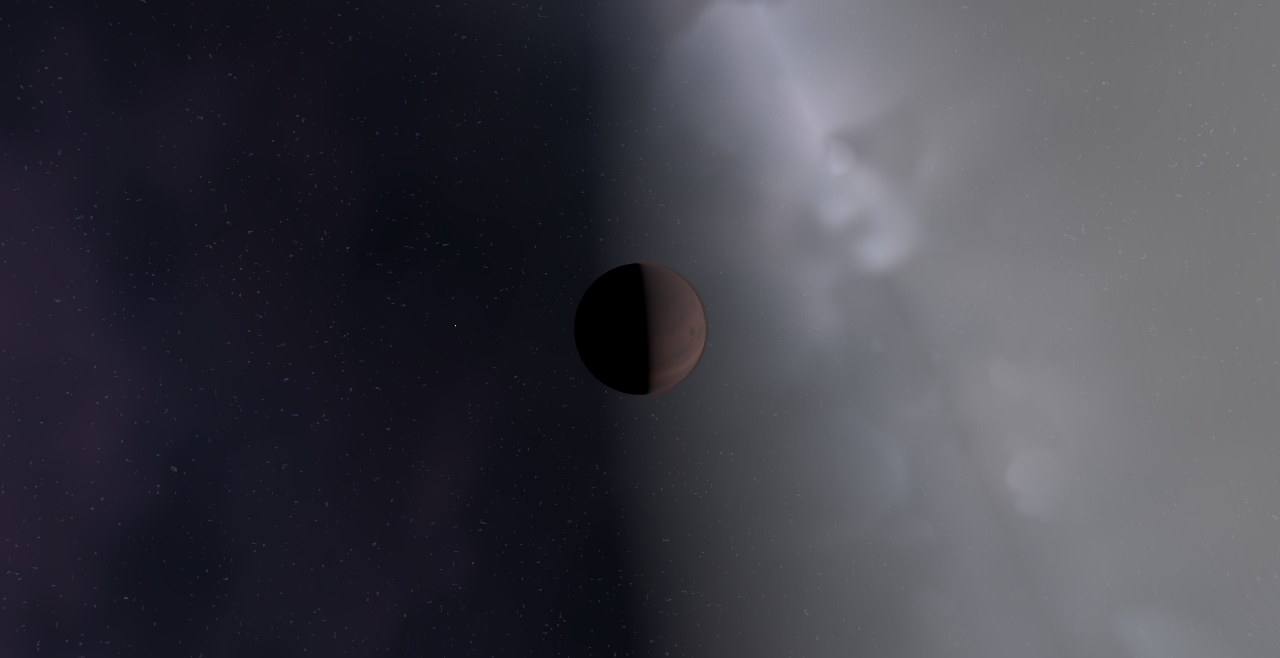
HATS-53, a Sun-like G-type star of 0.96 solar masses, and HATS-53 b, a 0.59-Jupiter-mass companion, with an orbital period of 3.9 days, at 0.048 AU from its star, and an equilibrium temperature near 1,312 K.
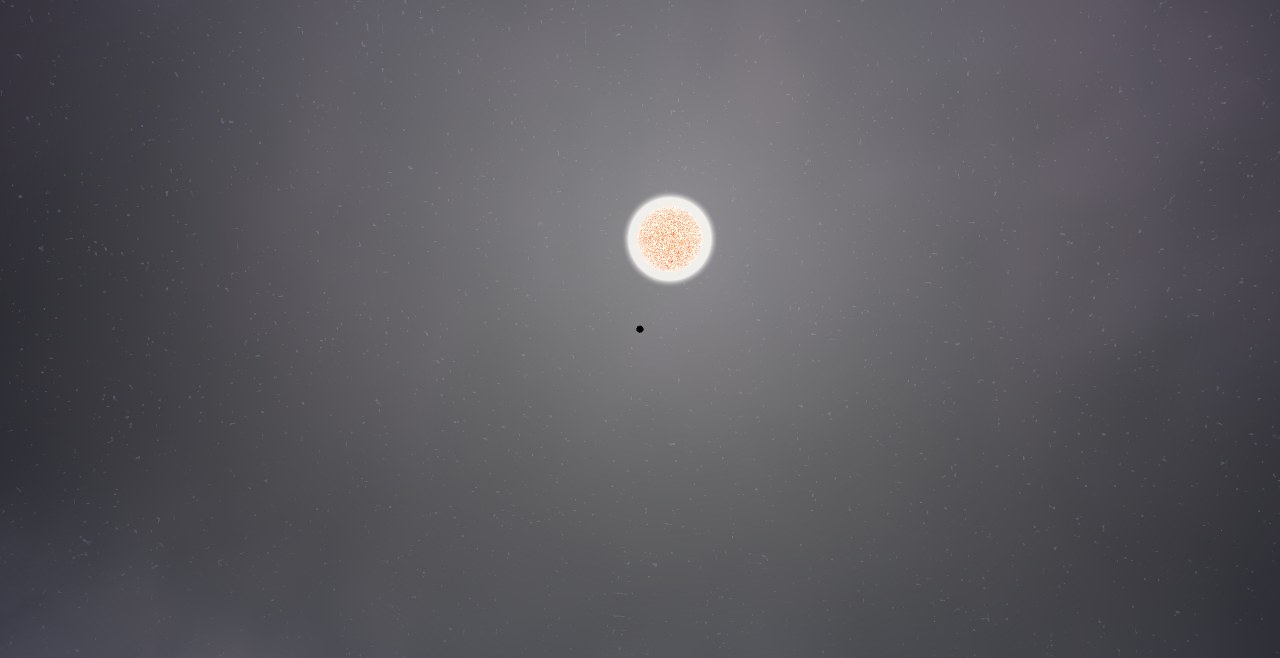
HATS-54, a Sun-like G-type star of 1.05 solar masses, and HATS-54 b, a 0.75-Jupiter-mass companion, with an orbital period of 2.5 days, at 0.037 AU from its star, and an equilibrium temperature near 1,429 K.
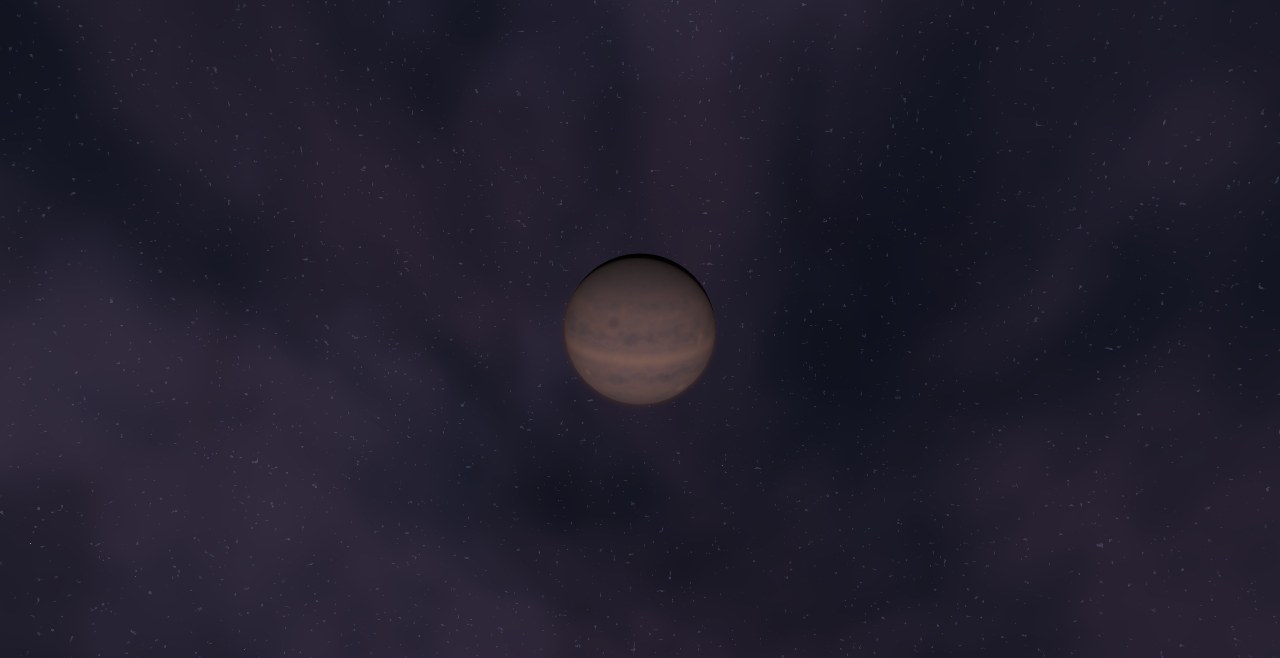
HATS-55, a Sun-like F-type star of 1.20 solar masses, and HATS-55 b, a 0.92-Jupiter-mass companion, with an orbital period of 4.2 days, at 0.054 AU from its star, and an equilibrium temperature near 1,367 K.
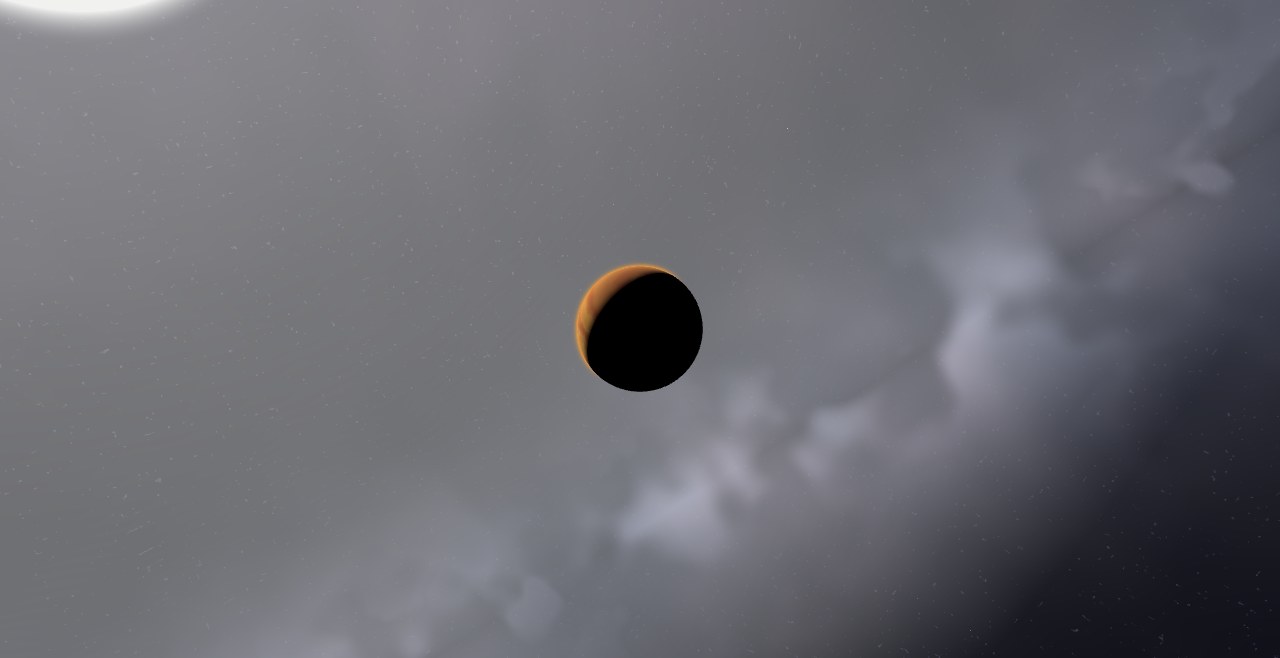
HATS-56, a Sun-like F-type star of 1.57 solar masses, and HATS-56 b, a 0.60-Jupiter-mass companion, with an orbital period of 4.3 days, at 0.060 AU from its star, and an equilibrium temperature near 1,902 K.
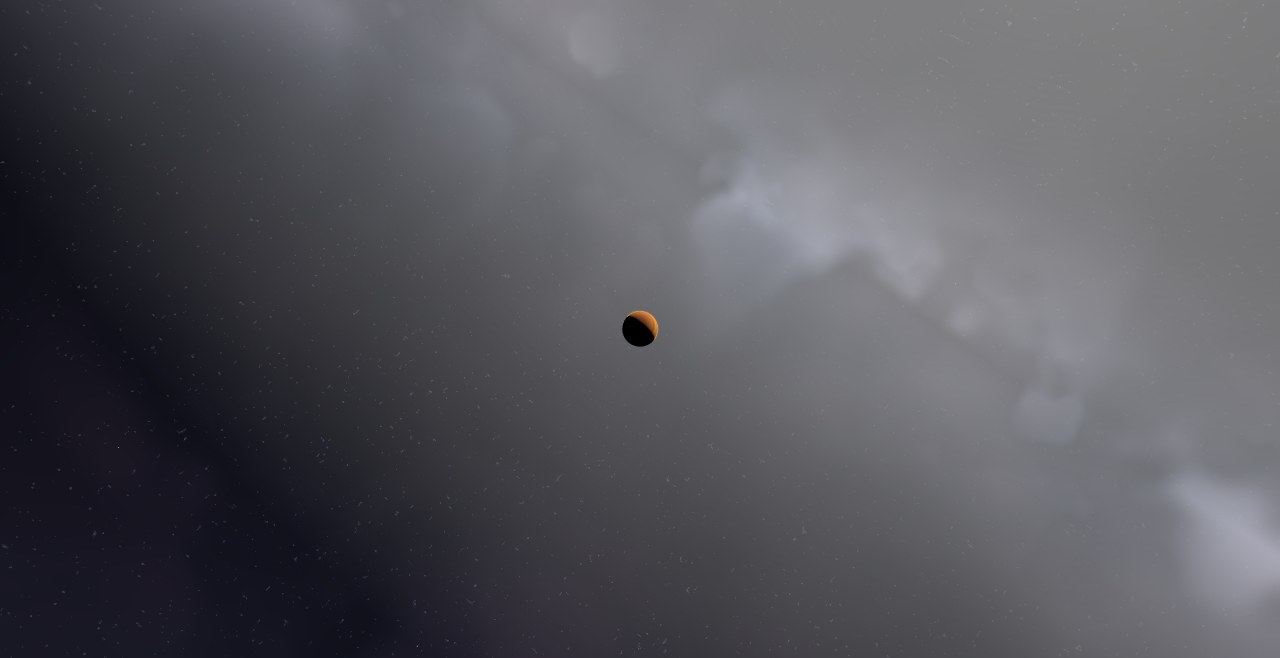
HATS-57, a Sun-like G-type star of 1.03 solar masses, and HATS-57 b, a 3.15-Jupiter-mass companion, with an orbital period of 2.4 days, at 0.035 AU from its star, and an equilibrium temperature near 1,413 K.
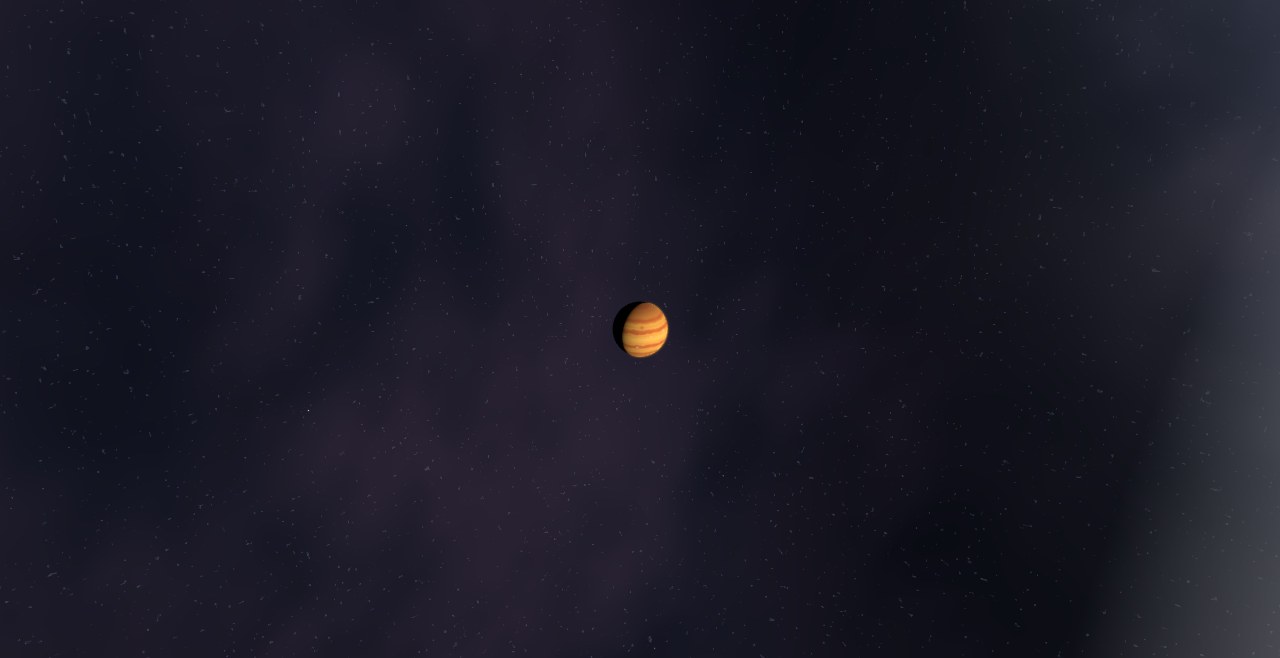
HATS-58 A, a Sun-like F-type star of 1.46 solar masses, and HATS-58 A b, a 1.03-Jupiter-mass companion, with an orbital period of 4.2 days, at 0.058 AU from its star, and an equilibrium temperature near 1,721.
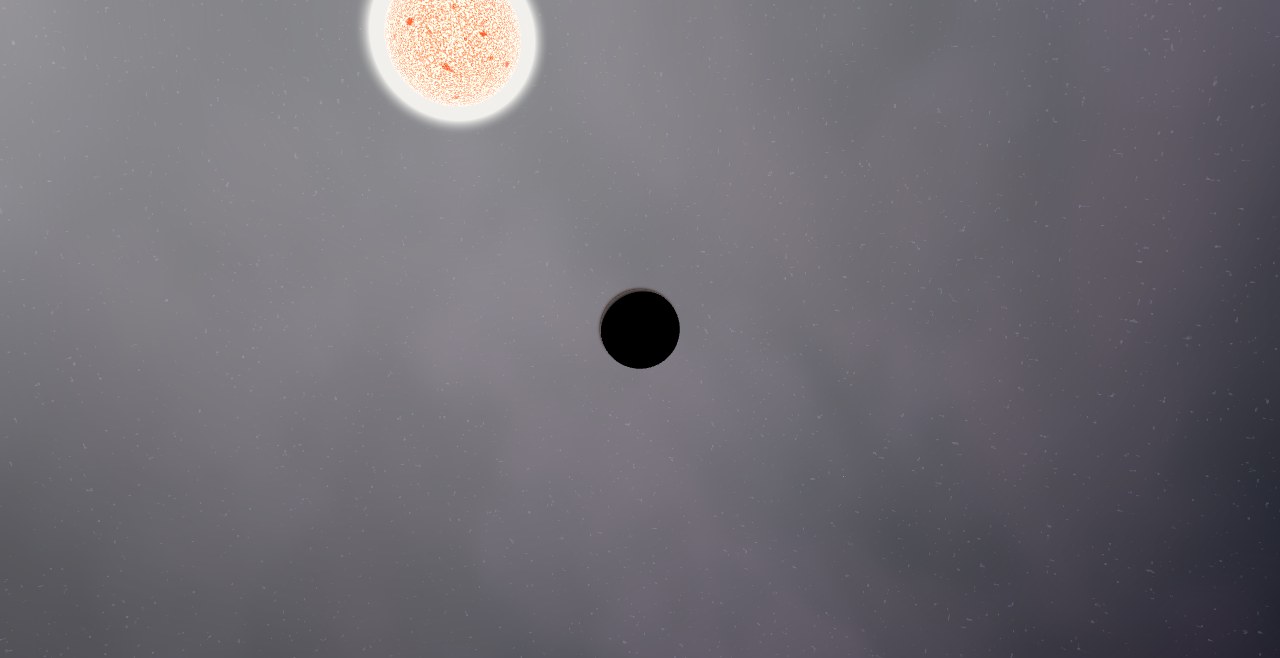
HATS-59, a Sun-like G-type star of 1.04 solar masses, and HATS-59 b, a 0.81-Jupiter-mass companion, with an orbital period of 5.4 days, at 0.061 AU from its star, and an equilibrium temperature near 1,128 K.
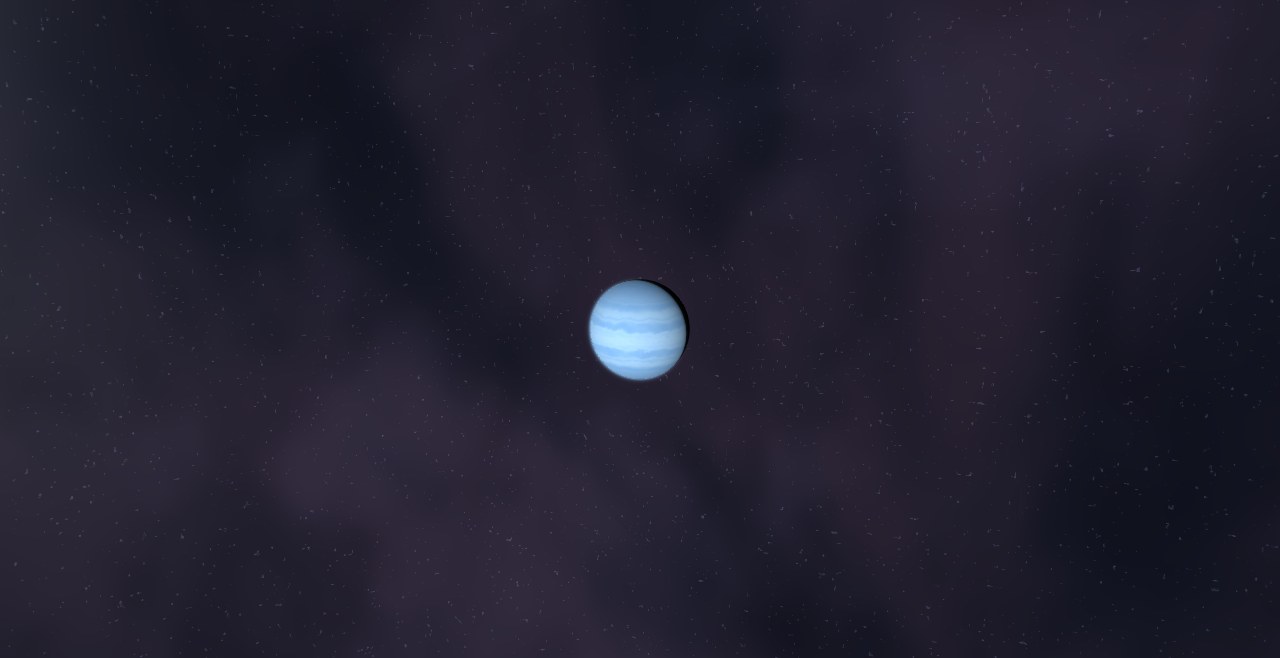
HATS-6, a cool M-dwarf of 0.57 solar masses, and HATS-6 b, a 0.32-Jupiter-mass companion, with an orbital period of 3.3 days, at 0.036 AU from its star, and an equilibrium temperature near 713 K.
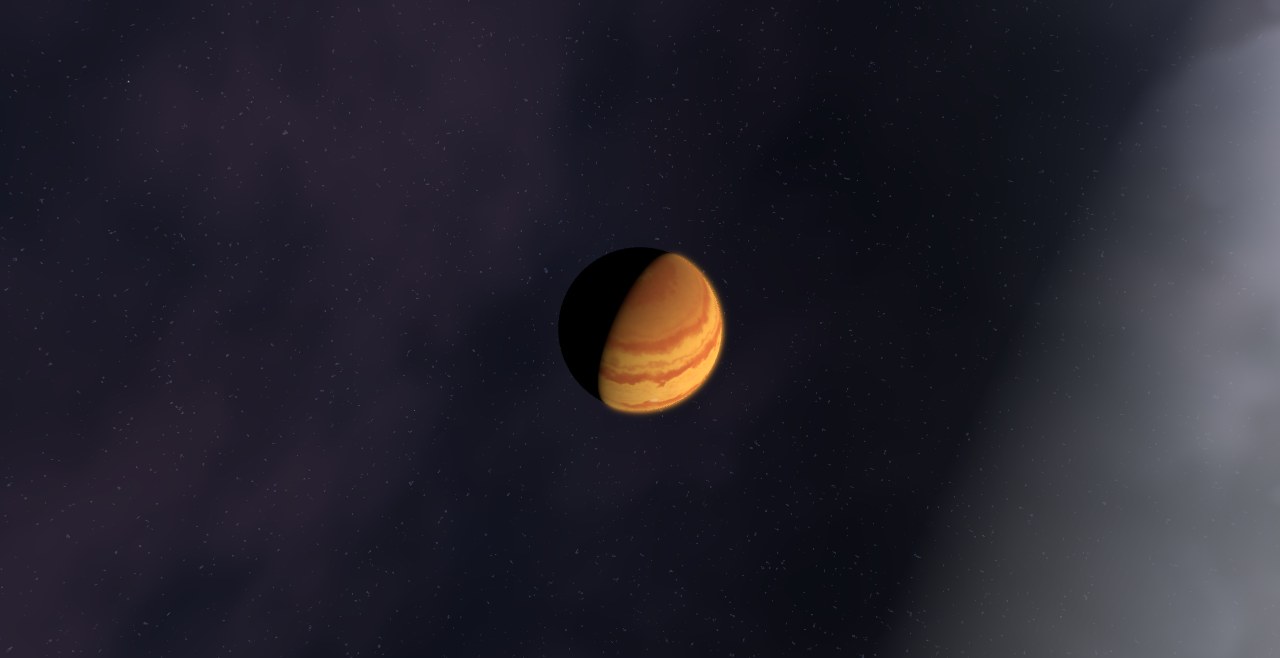
HATS-60, a Sun-like G-type star of 1.10 solar masses, and HATS-60 b, a 0.66-Jupiter-mass companion, with an orbital period of 3.6 days, at 0.047 AU from its star, and an equilibrium temperature near 1,528 K.
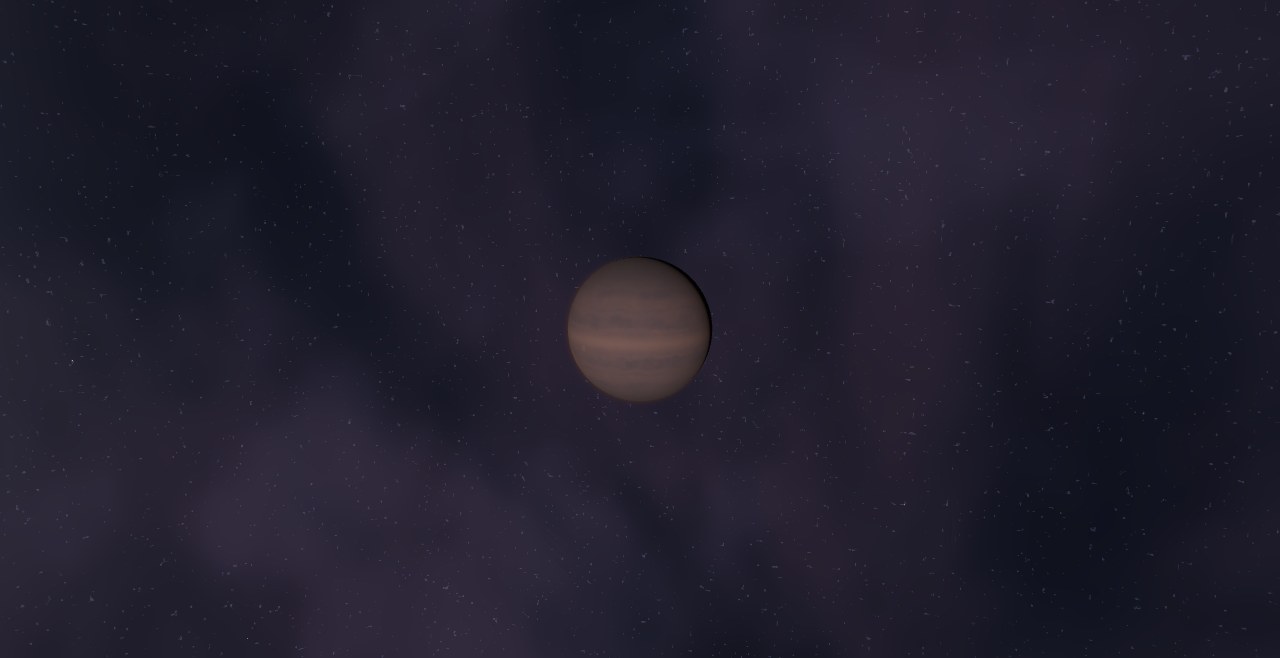
HATS-61, a Sun-like G-type star of 1.08 solar masses, and HATS-61 b, a 3.40-Jupiter-mass companion, with an orbital period of 7.8 days, at 0.079 AU from its star, and an equilibrium temperature near 1,226 K.
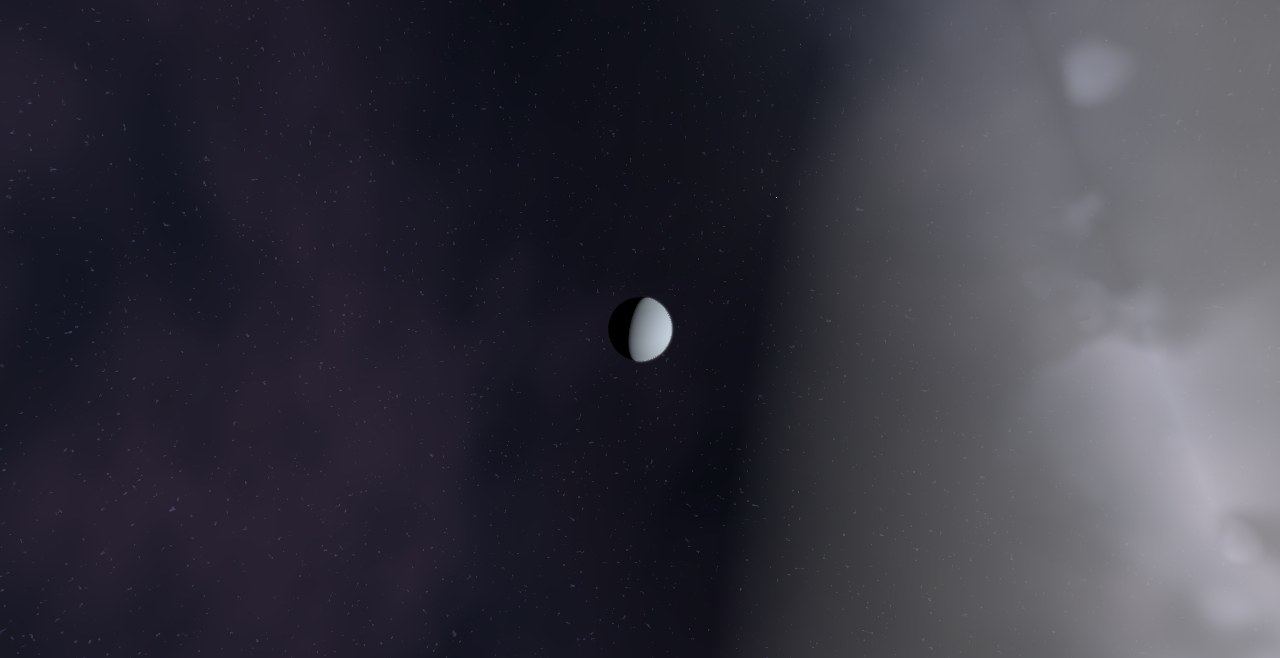
HATS-62, a Sun-like G-type star of 0.90 solar masses, and HATS-62 b, a 0.18-Jupiter-mass companion, with an orbital period of 3.3 days, at 0.042 AU from its star, and an equilibrium temperature near 1,237 K.
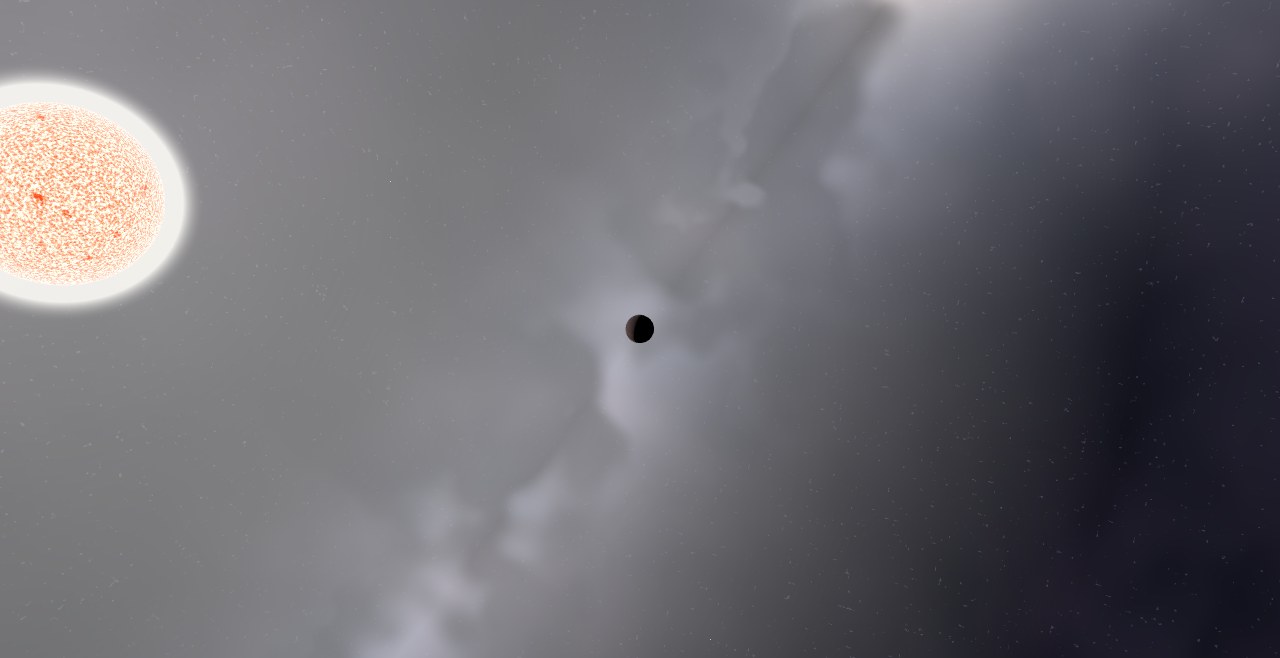
HATS-63, a Sun-like G-type star of 0.93 solar masses, and HATS-63 b, a 0.96-Jupiter-mass companion, with an orbital period of 3.1 days, at 0.040 AU from its star, and an equilibrium temperature near 1,398 K.
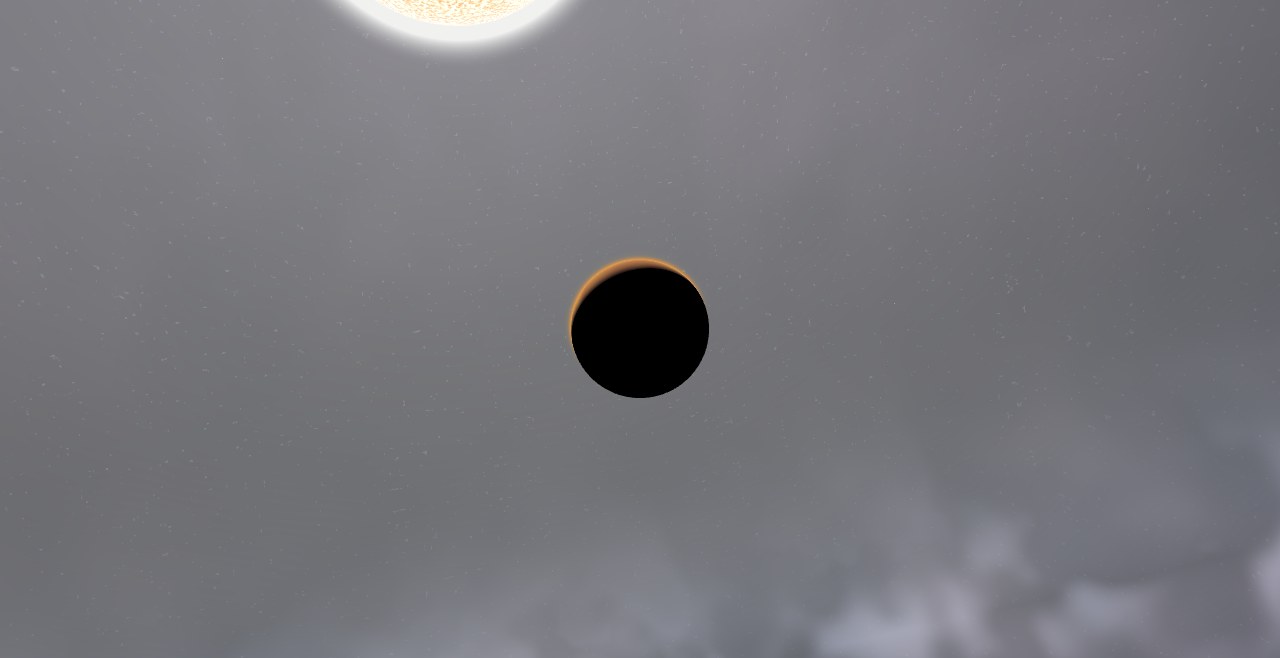
HATS-64, a Sun-like F-type star of 1.56 solar masses, and HATS-64 b, a 0.96-Jupiter-mass companion, with an orbital period of 4.9 days, at 0.066 AU from its star, and an equilibrium temperature near 1,793 K.