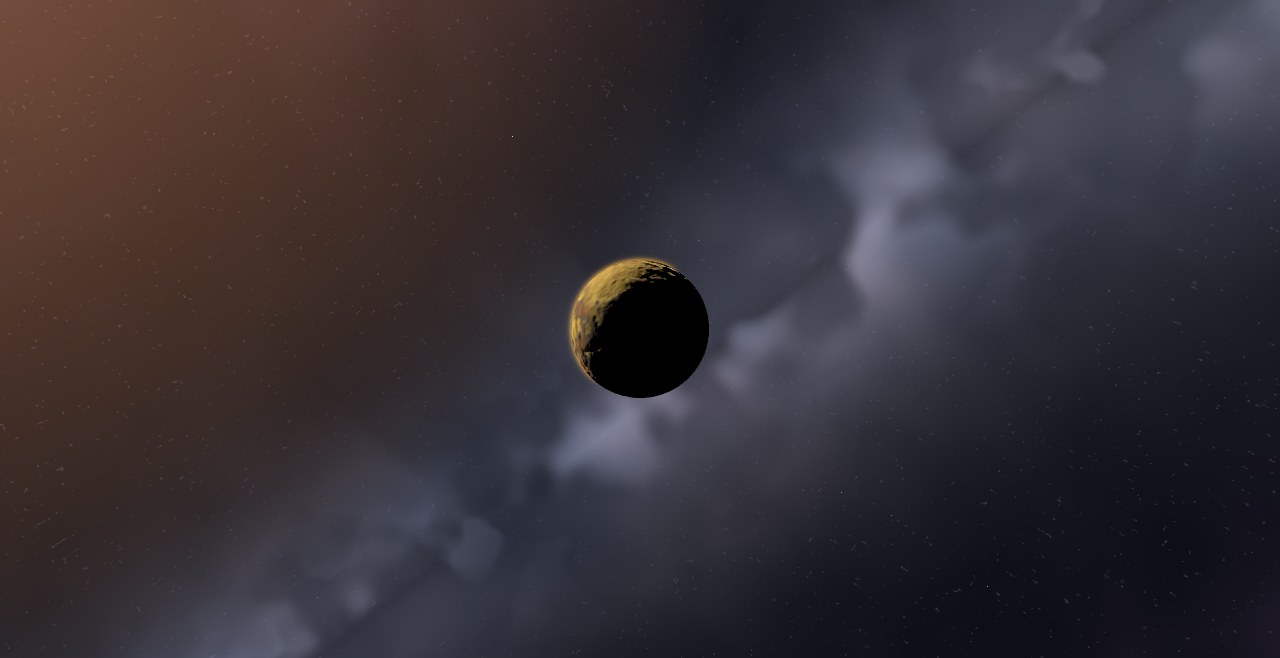
Kepler-777 - System
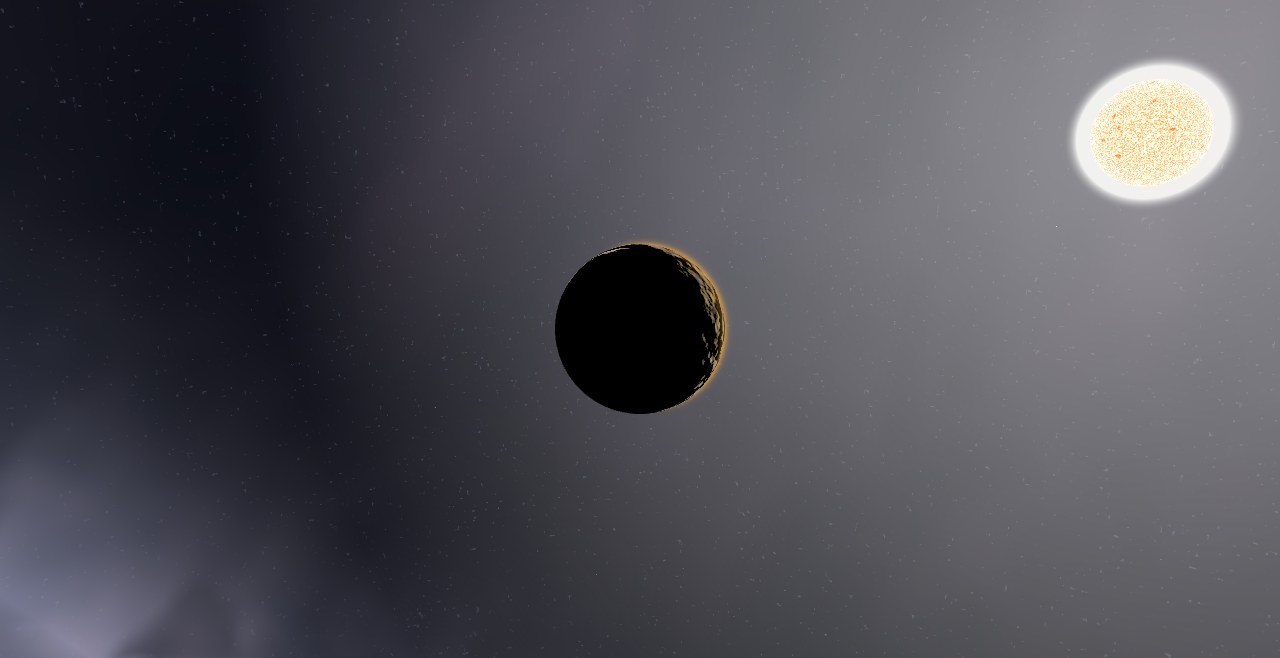
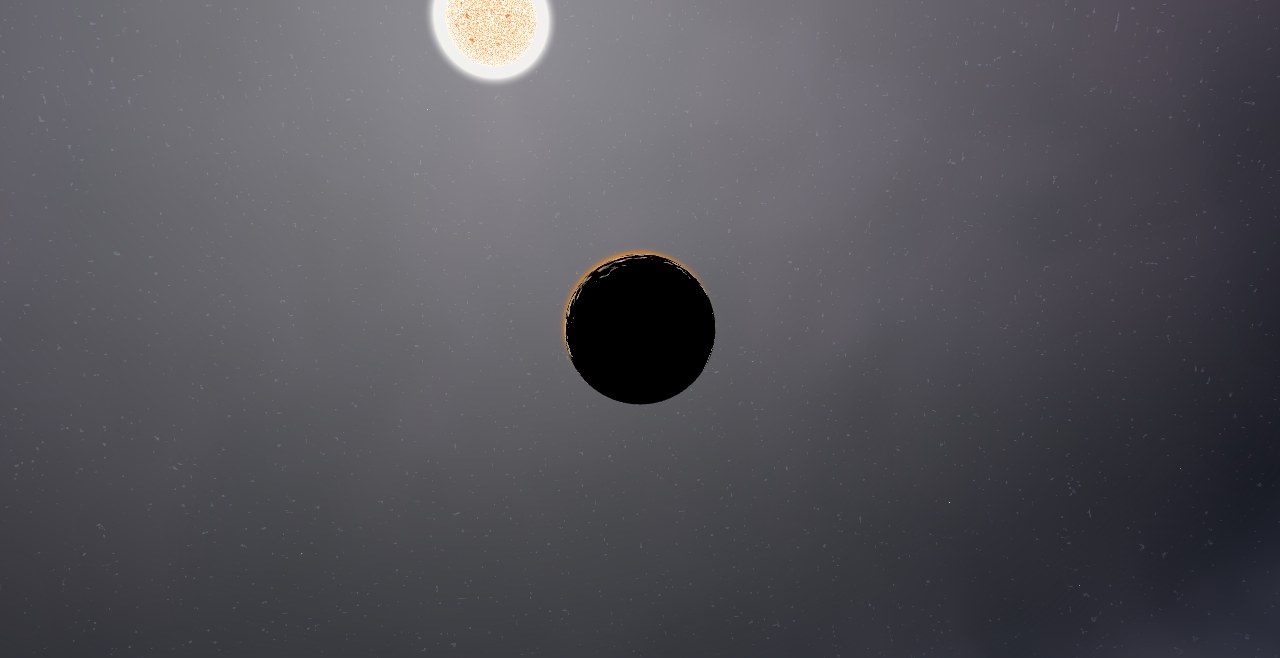
Kepler-777, an orange K-type dwarf of 0.58 solar masses, and Kepler-777 b, a planet with 1.5 Earth radii, with an orbital period of 5.7 days.
3D Space and Gravity Simulator. Simulate the solar system, exoplanets and even colliding galaxies. Add, delete and modify planets, and change the laws of physics.
Share
Kepler-777, an orange K-type dwarf of 0.58 solar masses, and Kepler-777 b, a planet with 1.5 Earth radii, with an orbital period of 5.7 days.
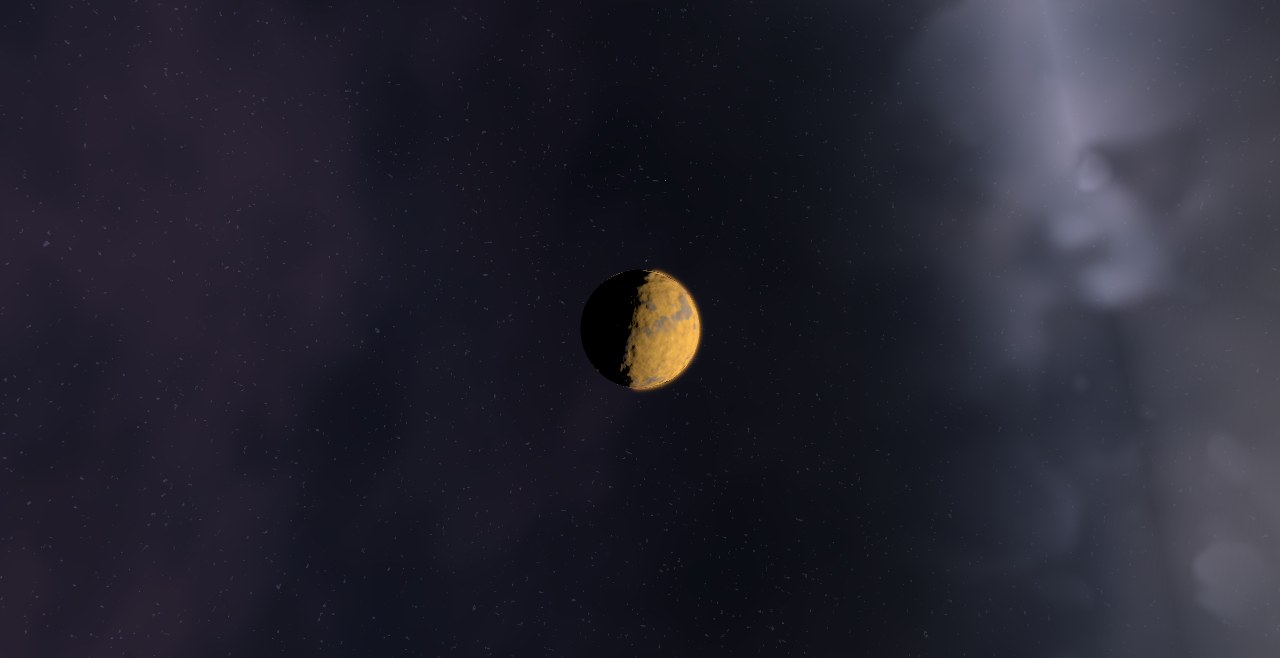
Kepler-778, an orange K-type dwarf of 0.81 solar masses, and Kepler-778 b, a planet with 1.7 Earth radii, with an orbital period of 3.8 days.
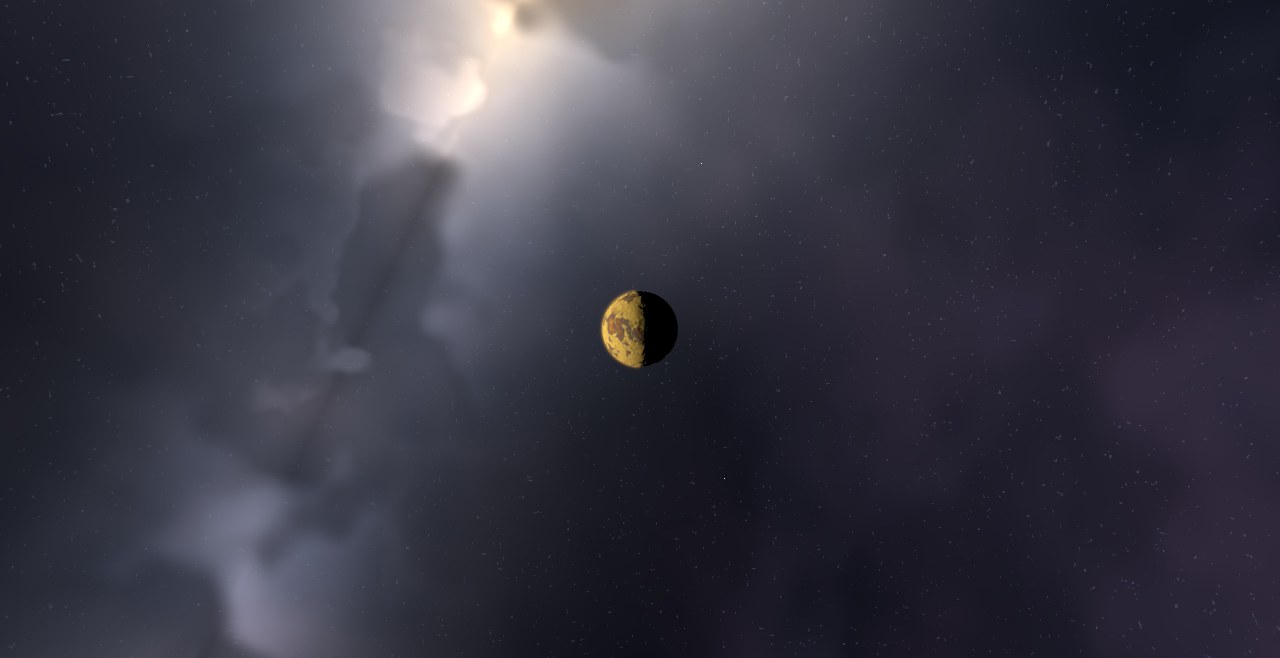
Kepler-779, an orange K-type dwarf of 0.46 solar masses, and Kepler-779 b, a planet with 0.9 Earth radii, with an orbital period of 7.1 days.
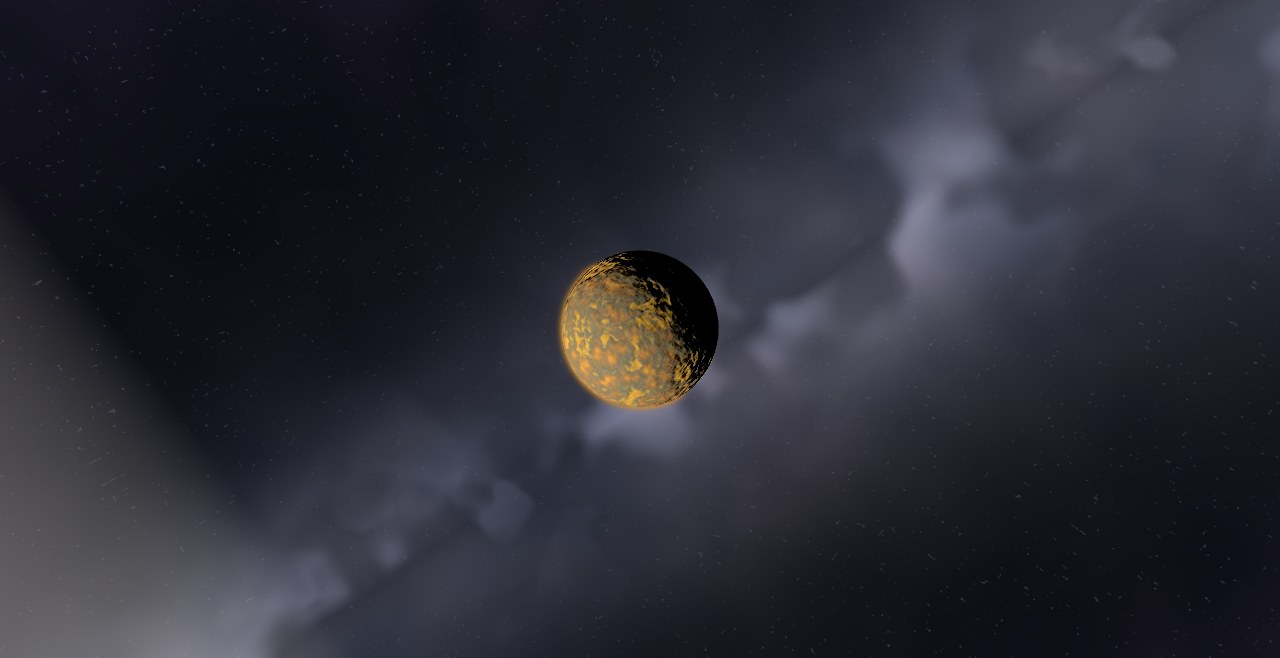
Kepler-78 b, an Earth-sized lava world with both a measured mass and radius. It orbits so close that a year lasts only 8.5 hours. Its density is close to Earth's, so the planet is rock.
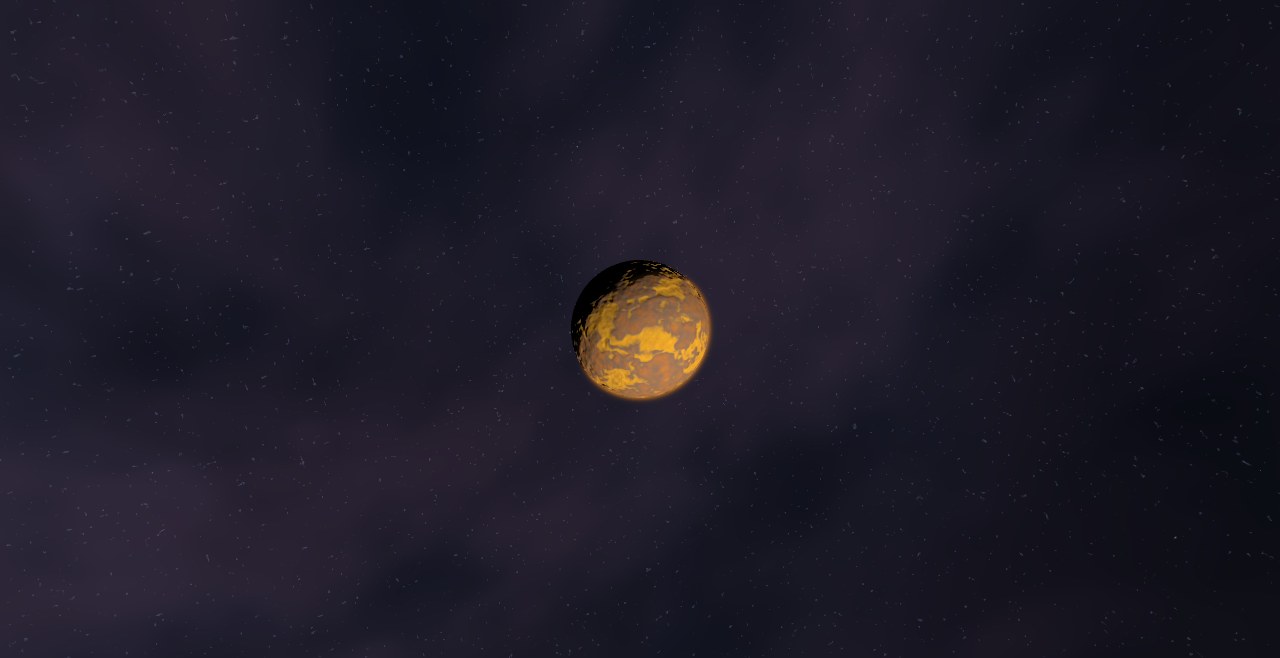
Kepler-780, a Sun-like G-type star of 1.01 solar masses, and Kepler-780 b, a planet with 0.9 Earth radii, with an orbital period of 16.3 hours.
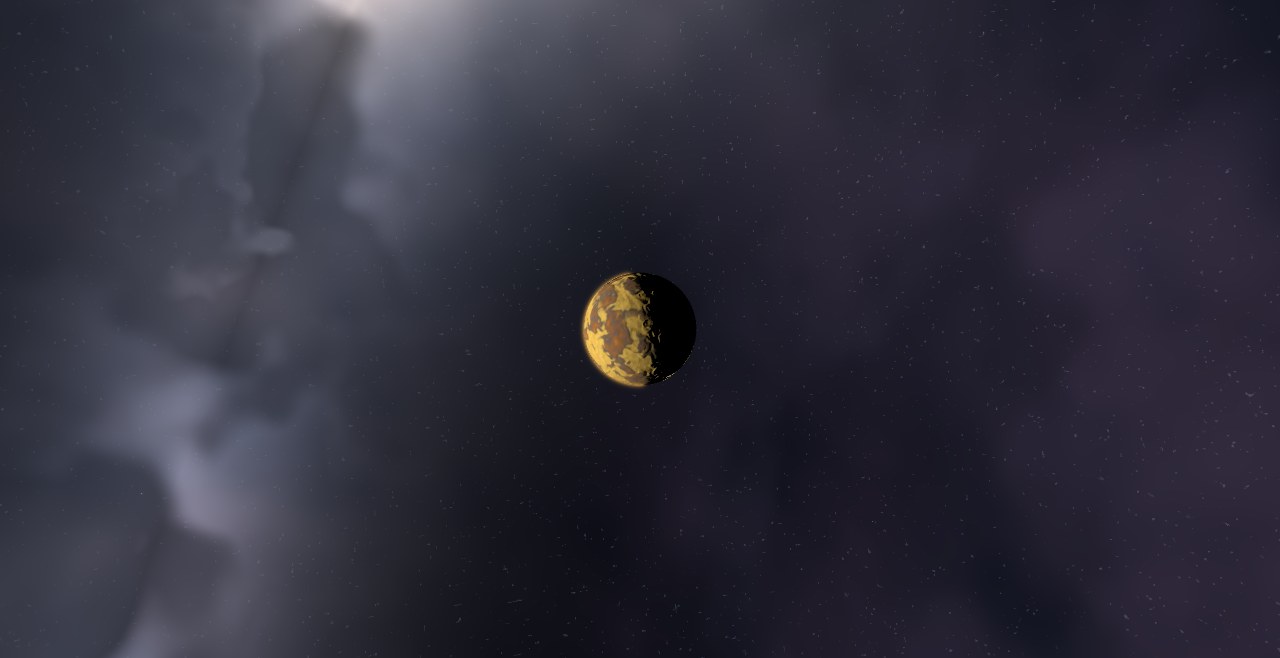
Kepler-781, an orange K-type dwarf of 0.81 solar masses, and Kepler-781 b, a planet with 2.9 Earth radii, with an orbital period of 13.2 days.
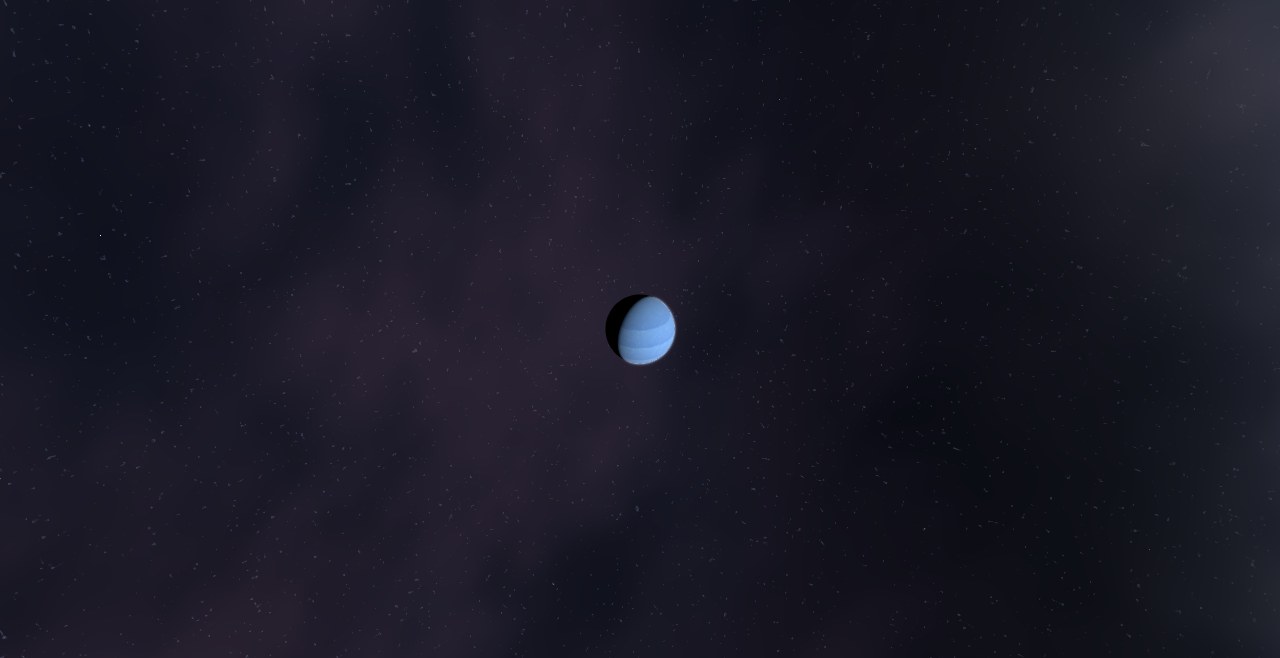
Kepler-782, a Sun-like G-type star of 0.98 solar masses, and Kepler-782 b, a planet with 3.2 Earth radii, with an orbital period of 159 days.
Kepler-783, a Sun-like G-type star of 0.93 solar masses, and Kepler-783 b, a planet with 0.8 Earth radii, with an orbital period of 4.3 days.
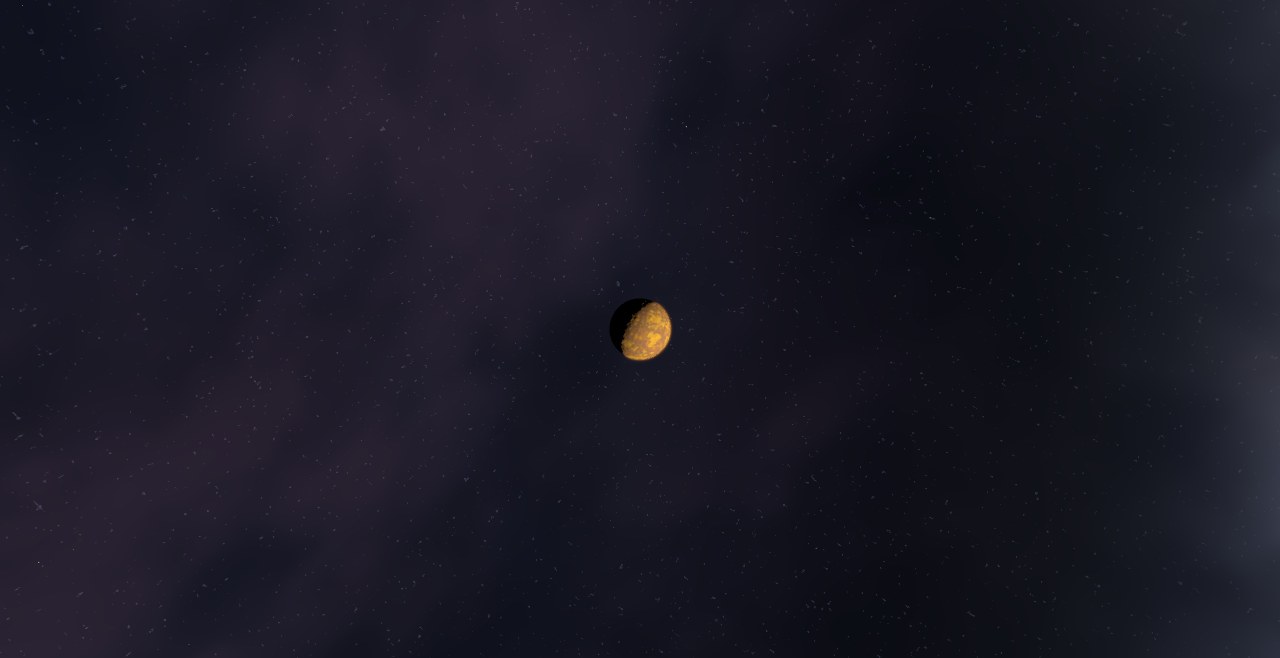
Kepler-784, a Sun-like G-type star of 1.02 solar masses, and Kepler-784 c, a planet with 1.6 Earth radii, with an orbital period of 17.2 days, at 0.131 AU from its star, and an equilibrium temperature near 844.
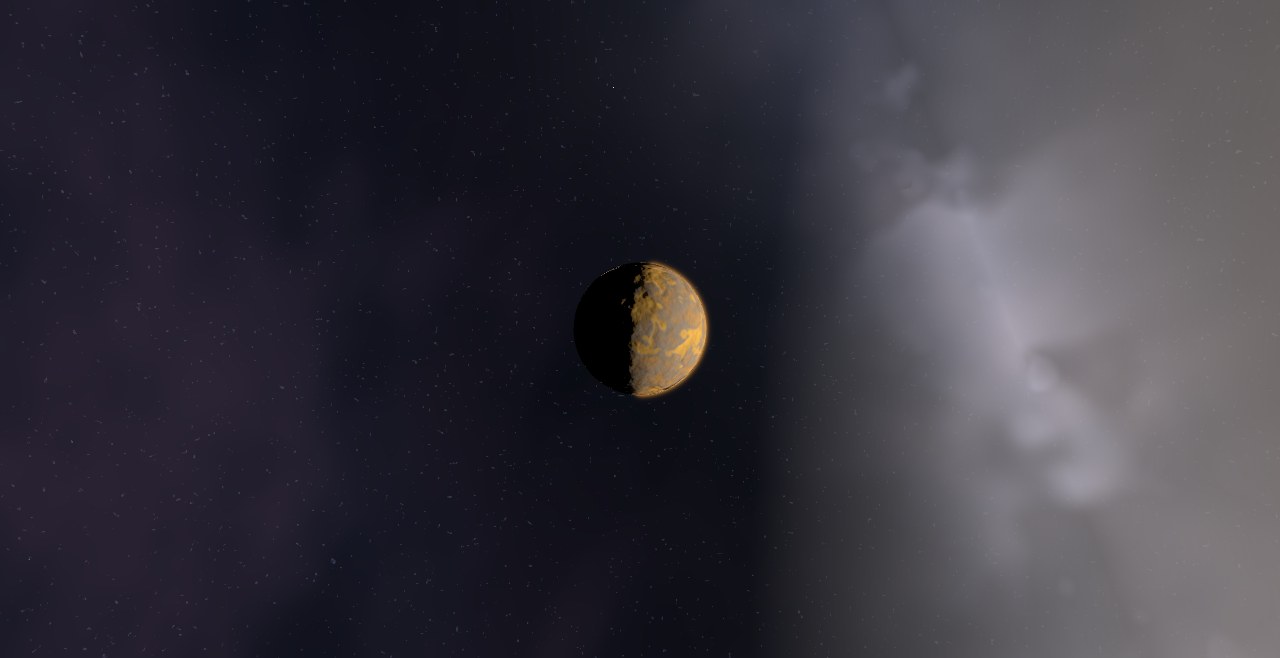
Kepler-785, an orange K-type dwarf of 0.77 solar masses, and Kepler-785 b, a planet with 13.0 Earth radii, with an orbital period of 2.0 days.
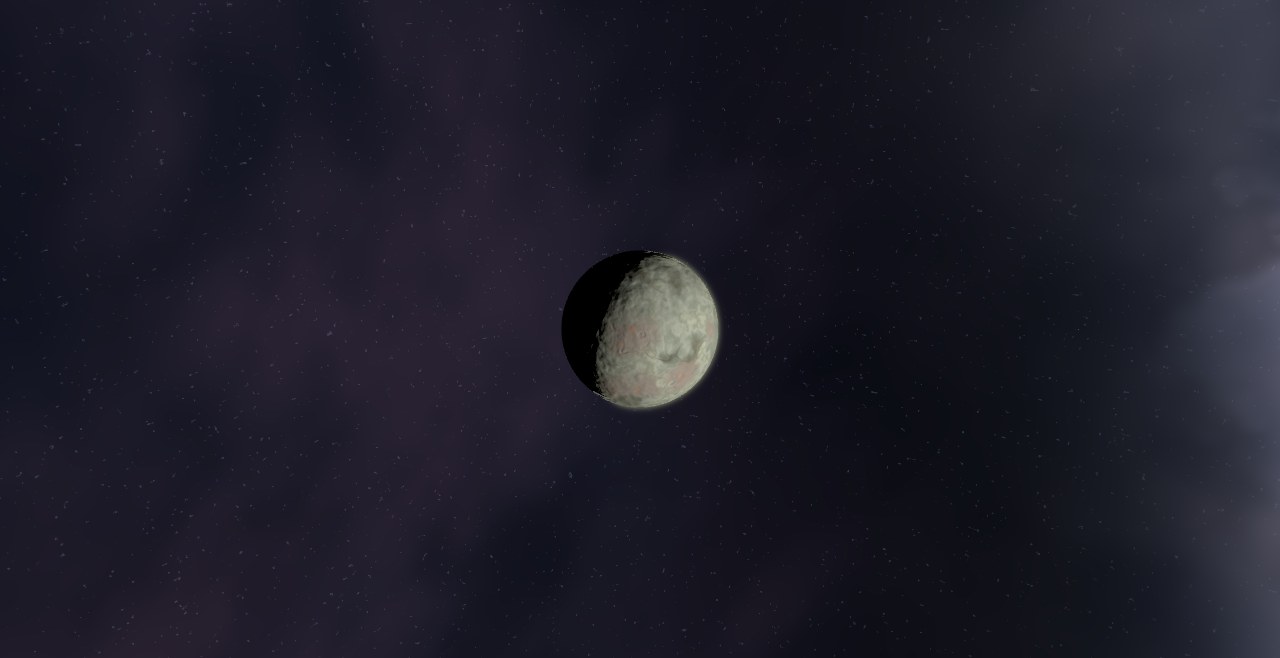
Kepler-786, an orange K-type dwarf of 0.81 solar masses, and Kepler-786 b, a planet with 2.4 Earth radii, with an orbital period of 53.5 days.
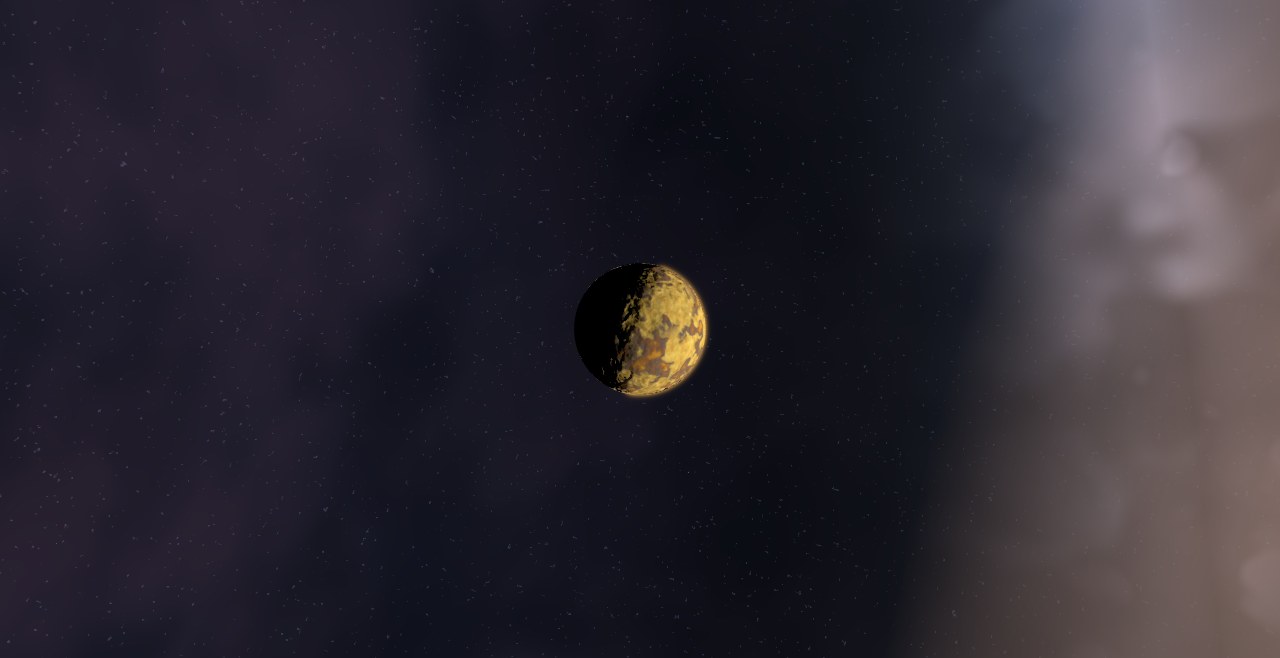
Kepler-787, an orange K-type dwarf of 0.65 solar masses, and Kepler-787 b, a planet with 1.3 Earth radii, with an orbital period of 22.3 hours.
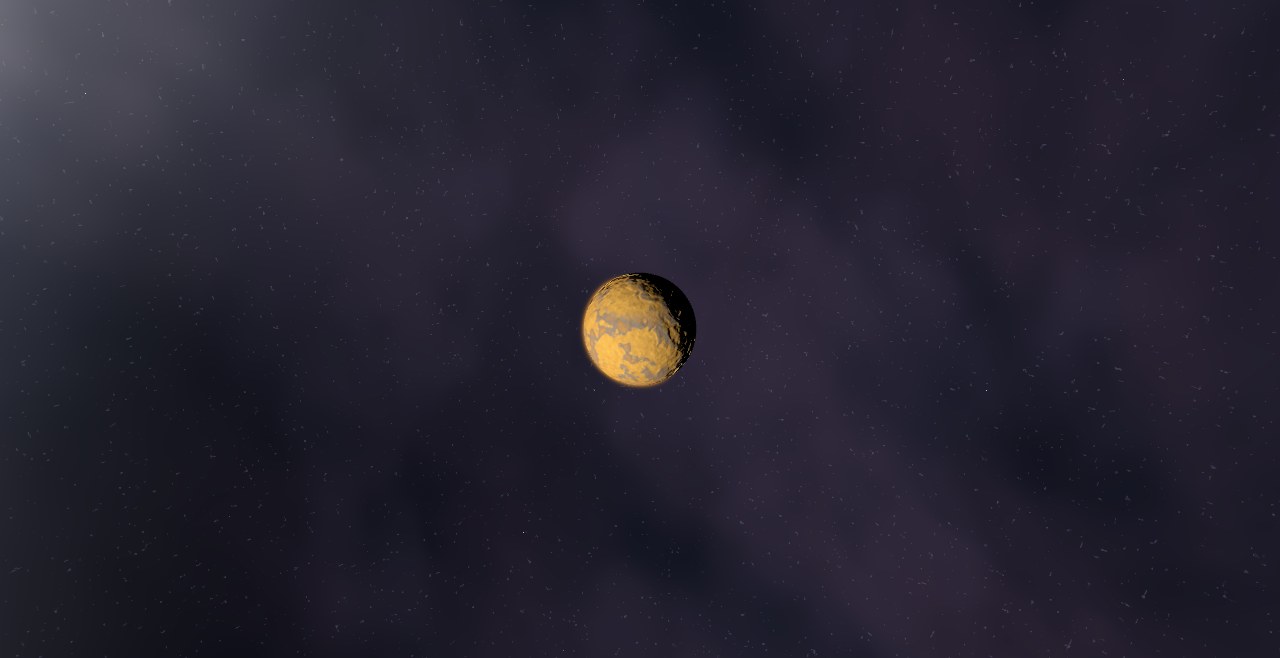
Kepler-788, a Sun-like F-type star of 1.16 solar masses, and Kepler-788 b, a planet with 2.5 Earth radii, with an orbital period of 8.4 days.
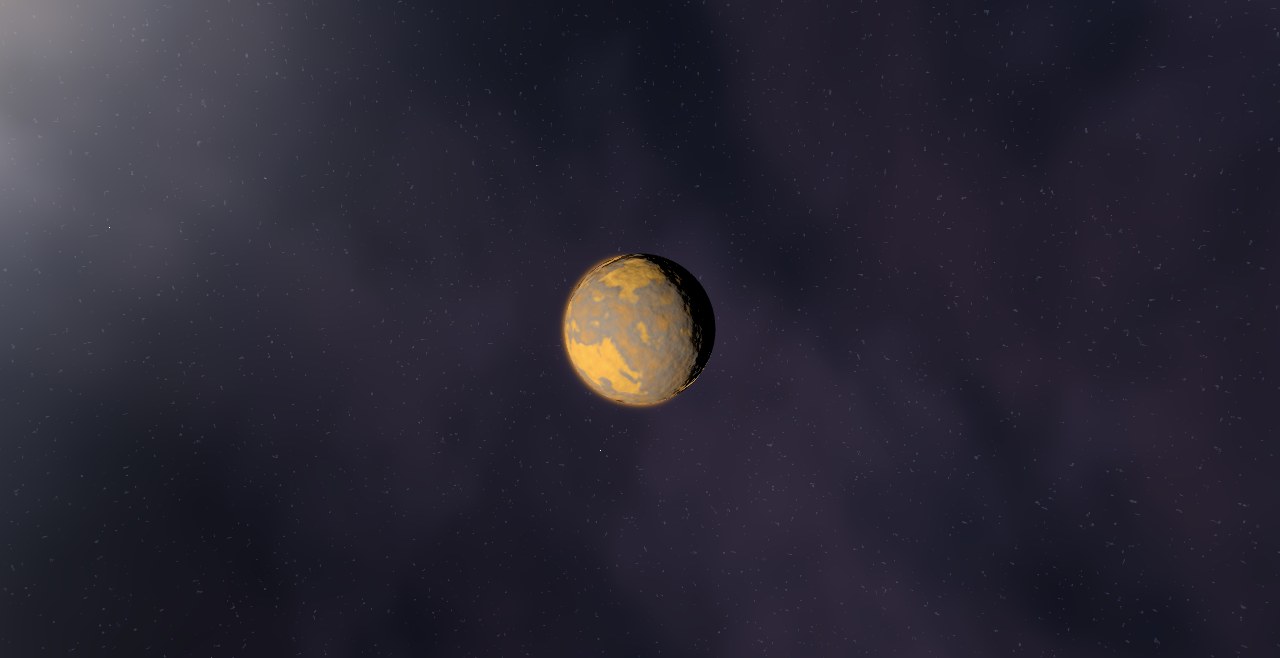
Kepler-789, a Sun-like G-type star of 1.01 solar masses, and Kepler-789 b, a planet with 2.1 Earth radii, with an orbital period of 8.6 days.
Kepler-79, four low-density planets near resonance. Like Kepler-51, they are puffier than their masses suggest, a clue to thick atmospheres.
Kepler-790, a Sun-like G-type star of 0.84 solar masses, and Kepler-790 b, a planet with 2.2 Earth radii, with an orbital period of 13.7 days.
Kepler-791, a Sun-like F-type star of 1.30 solar masses, and Kepler-791 b, a planet with 3.0 Earth radii, with an orbital period of 14.6 days.
Kepler-792, a Sun-like G-type star of 1.09 solar masses, and Kepler-792 b, a planet with 2.0 Earth radii, with an orbital period of 11.3 days.