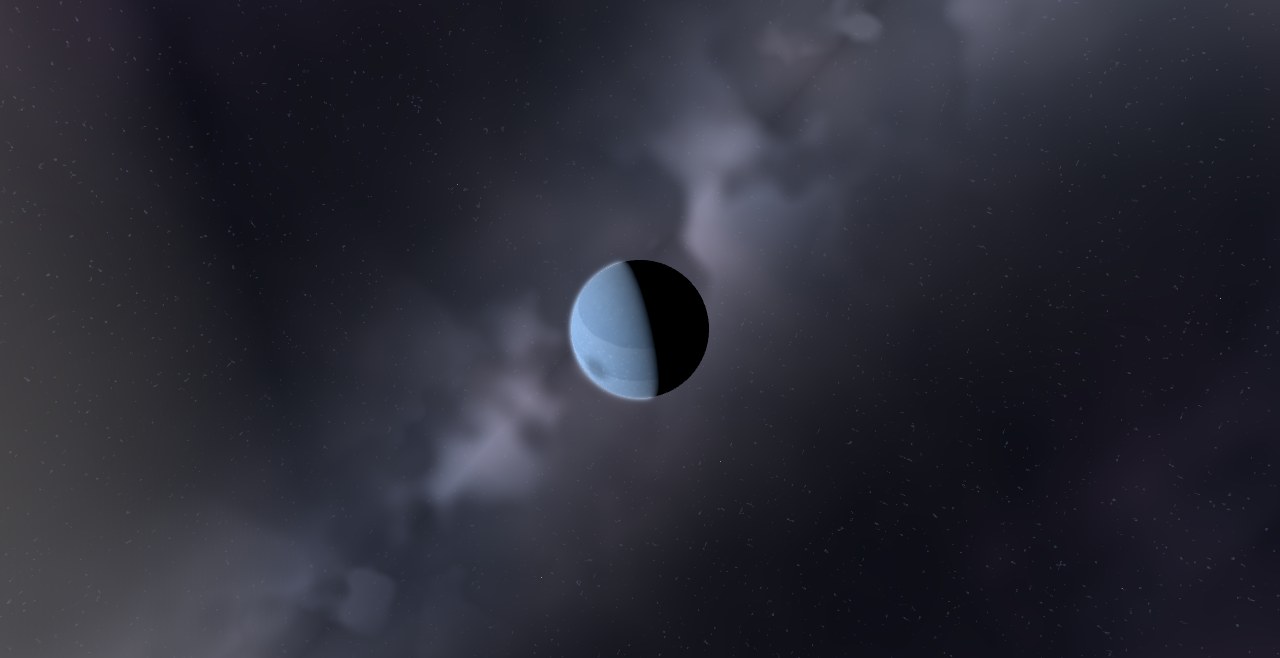
HAT-P-26 - System
HAT-P-26, an orange K-type dwarf of 1.12 solar masses, and HAT-P-26 b, a 0.07-Jupiter-mass companion, with an orbital period of 4.2 days, on an eccentric orbit (e ≈ 0.12).
3D Space and Gravity Simulator. Simulate the solar system, exoplanets and even colliding galaxies. Add, delete and modify planets, and change the laws of physics.
Share
HAT-P-26, an orange K-type dwarf of 1.12 solar masses, and HAT-P-26 b, a 0.07-Jupiter-mass companion, with an orbital period of 4.2 days, on an eccentric orbit (e ≈ 0.12).
HAT-P-27, a Sun-like G-type star of 0.92 solar masses, and HAT-P-27 b, a 0.62-Jupiter-mass companion, with an orbital period of 3.0 days, at 0.040 AU from its star.
HAT-P-28, a Sun-like G-type star of 1.02 solar masses, and HAT-P-28 b, a 0.63-Jupiter-mass companion, with an orbital period of 3.3 days, at 0.043 AU from its star, and an equilibrium temperature near 1,384 K.
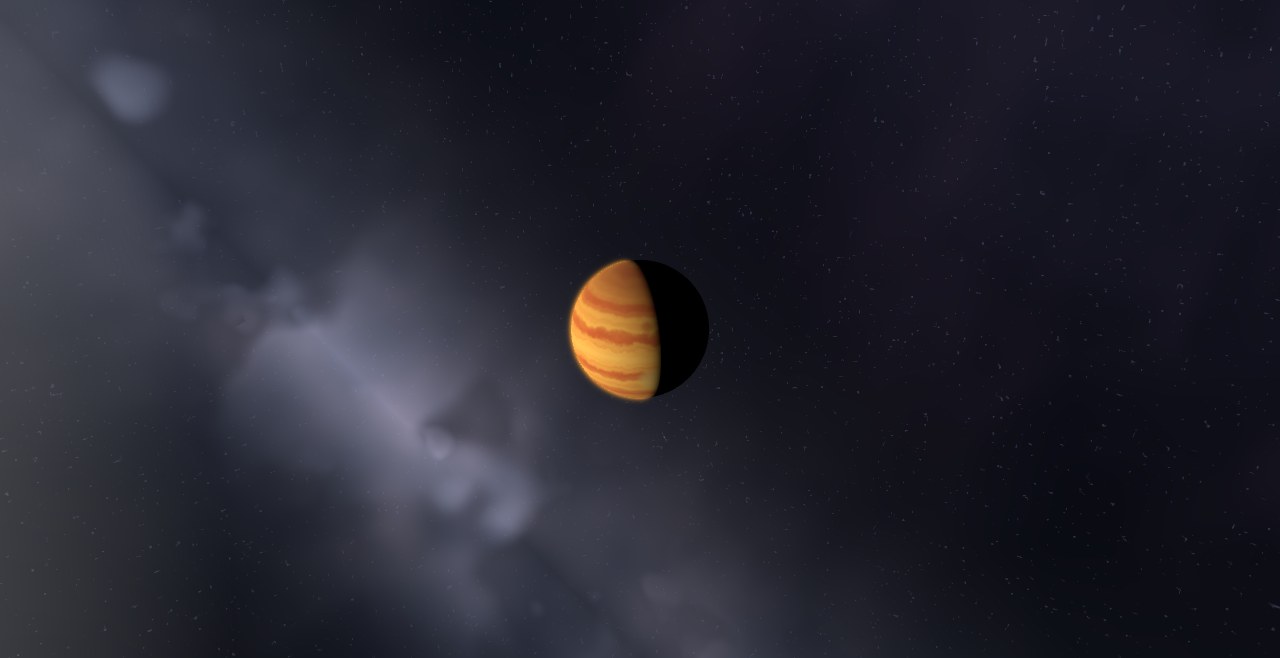
HAT-P-29, a Sun-like F-type star of 1.45 solar masses, and HAT-P-29 b, a 0.88-Jupiter-mass companion, with an orbital period of 5.7 days, on an eccentric orbit (e ≈ 0.09).
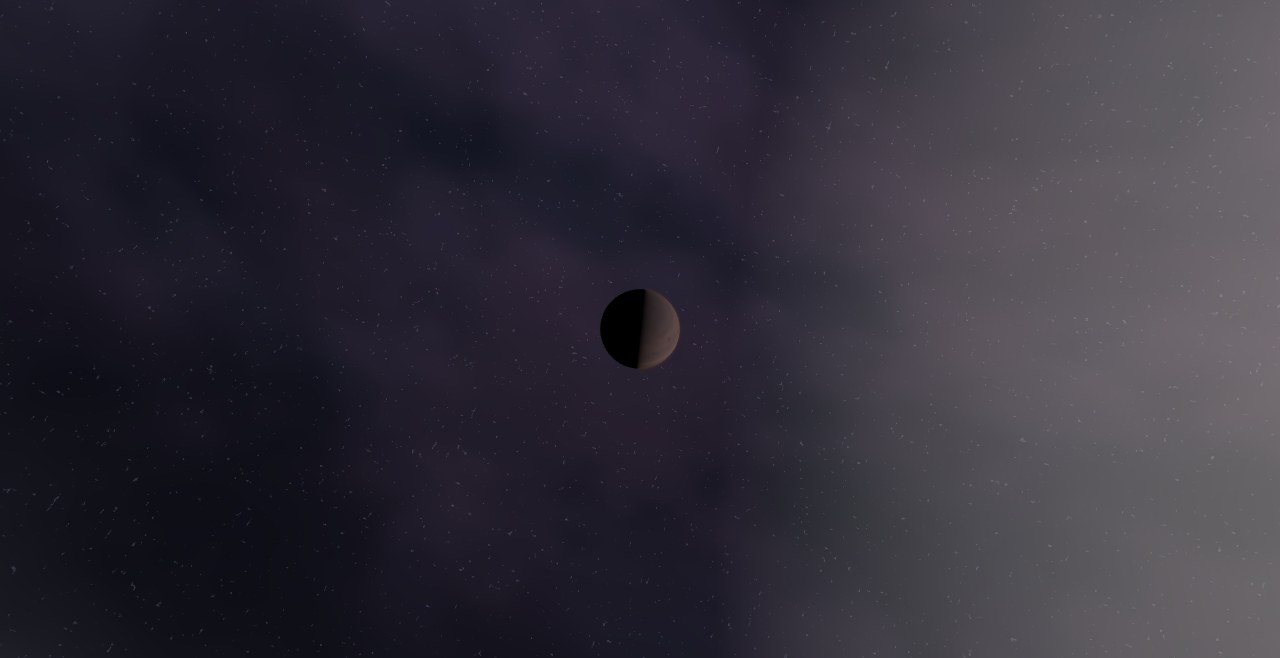
HAT-P-3, an orange K-type dwarf of 1.06 solar masses, and HAT-P-3 b, a 0.65-Jupiter-mass companion, with an orbital period of 2.9 days.
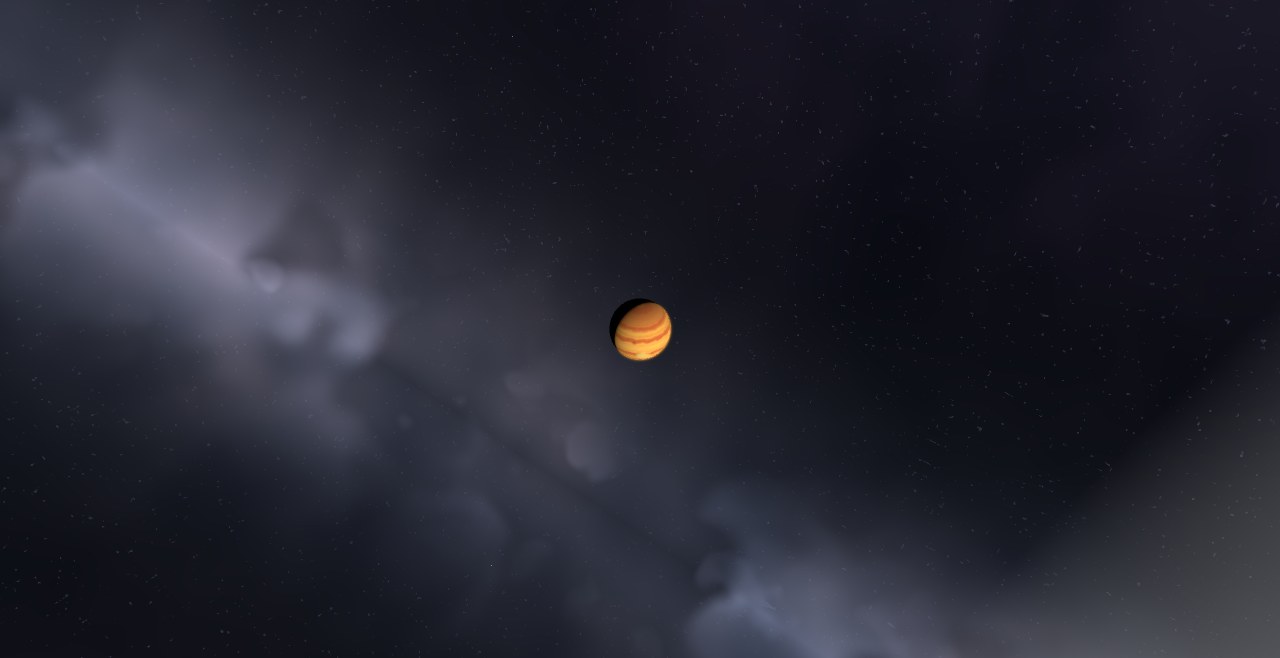
HAT-P-30, a Sun-like F-type star of 1.55 solar masses, and HAT-P-30 b, a 0.83-Jupiter-mass companion, with an orbital period of 2.8 days.
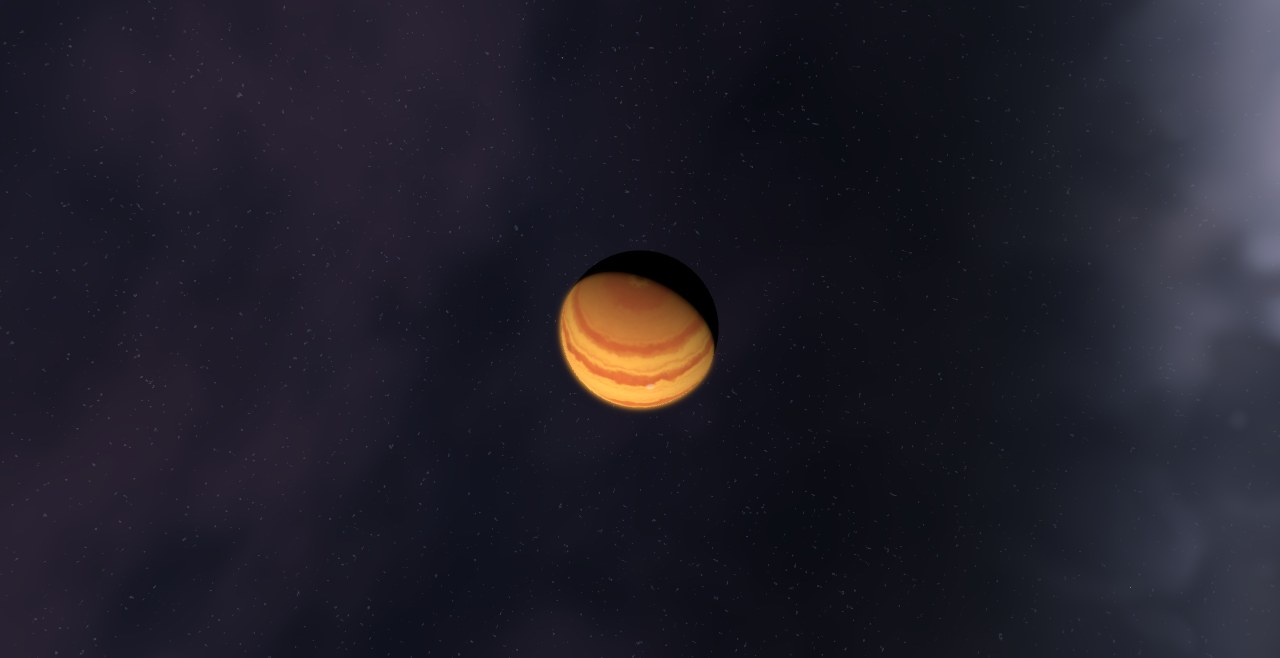
HAT-P-31, a Sun-like F-type star of 1.31 solar masses, and HAT-P-31 b, a 2.27-Jupiter-mass companion, with an orbital period of 5.0 days, on an eccentric orbit (e ≈ 0.25).
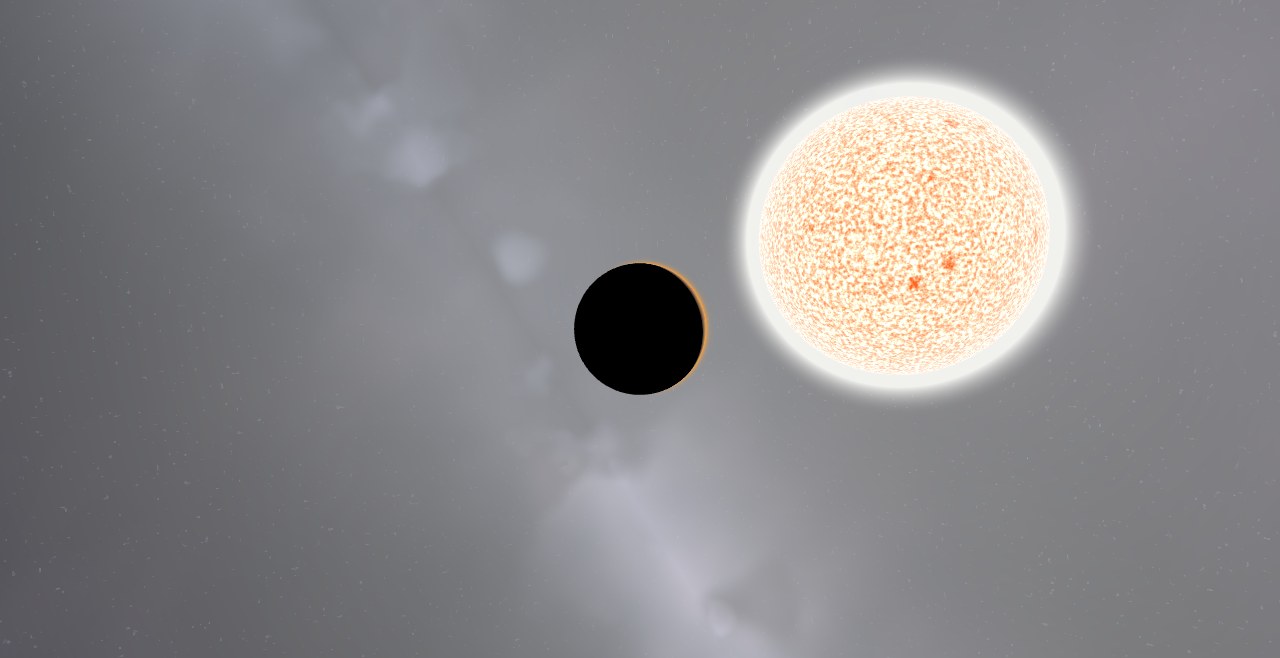
HAT-P-32, a Sun-like F-type star of 1.13 solar masses, and HAT-P-32 b, a 0.68-Jupiter-mass companion, with an orbital period of 2.2 days, at 0.034 AU from its star, and an equilibrium temperature near 1,836 K.
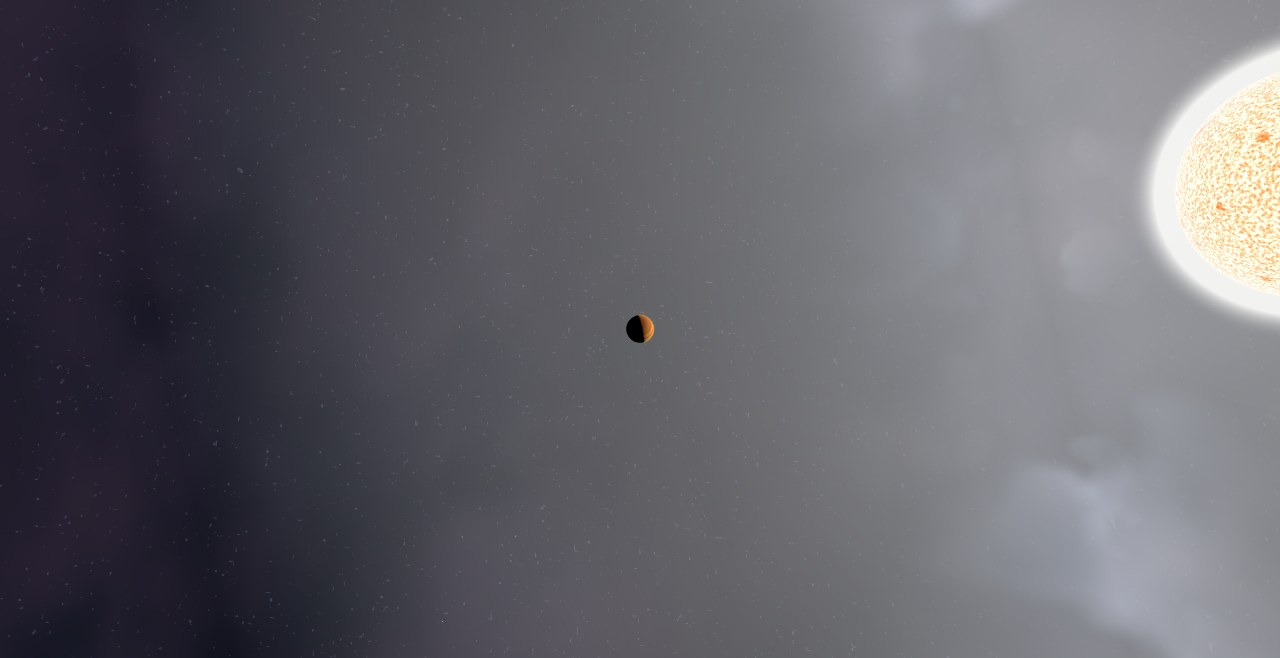
HAT-P-33, a Sun-like F-type star of 1.82 solar masses, and HAT-P-33 b, a 0.92-Jupiter-mass companion, with an orbital period of 3.5 days.
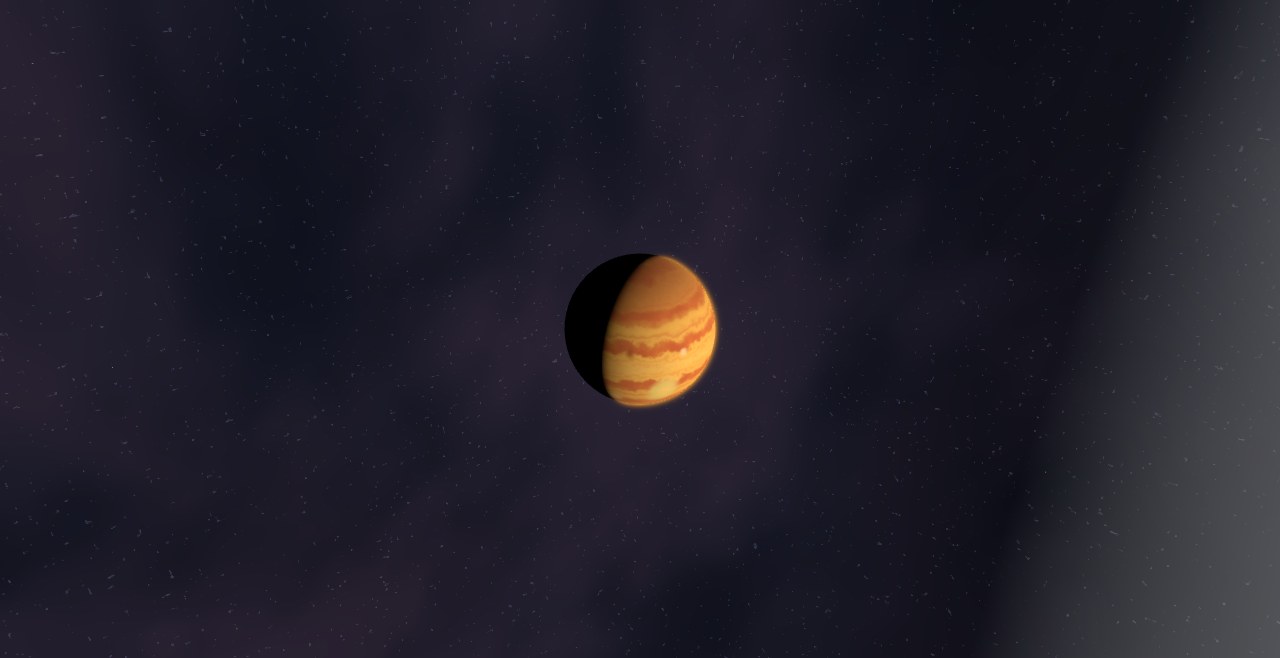
HAT-P-34, a Sun-like F-type star of 1.39 solar masses, and HAT-P-34 b, a 3.33-Jupiter-mass companion, with an orbital period of 5.5 days, at 0.068 AU from its star, on an eccentric orbit (e ≈ 0.43).
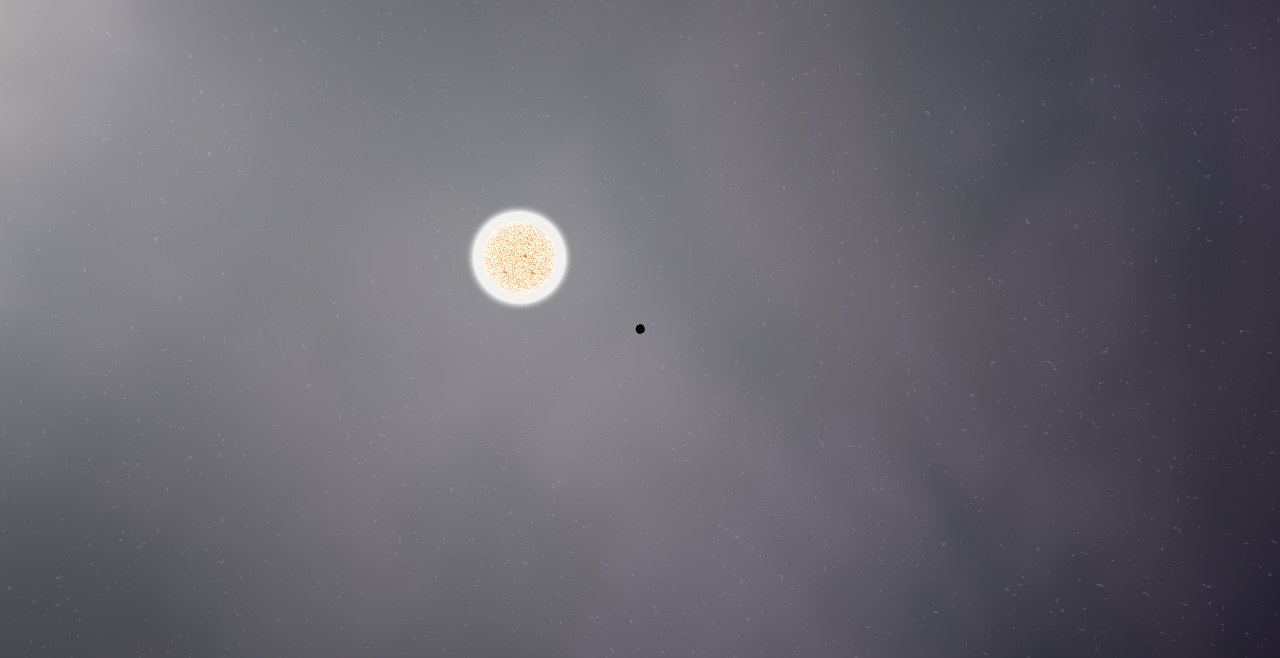
HAT-P-35, a Sun-like F-type star of 1.24 solar masses, and HAT-P-35 b, a 1.06-Jupiter-mass companion, with an orbital period of 3.6 days, at 0.050 AU from its star.
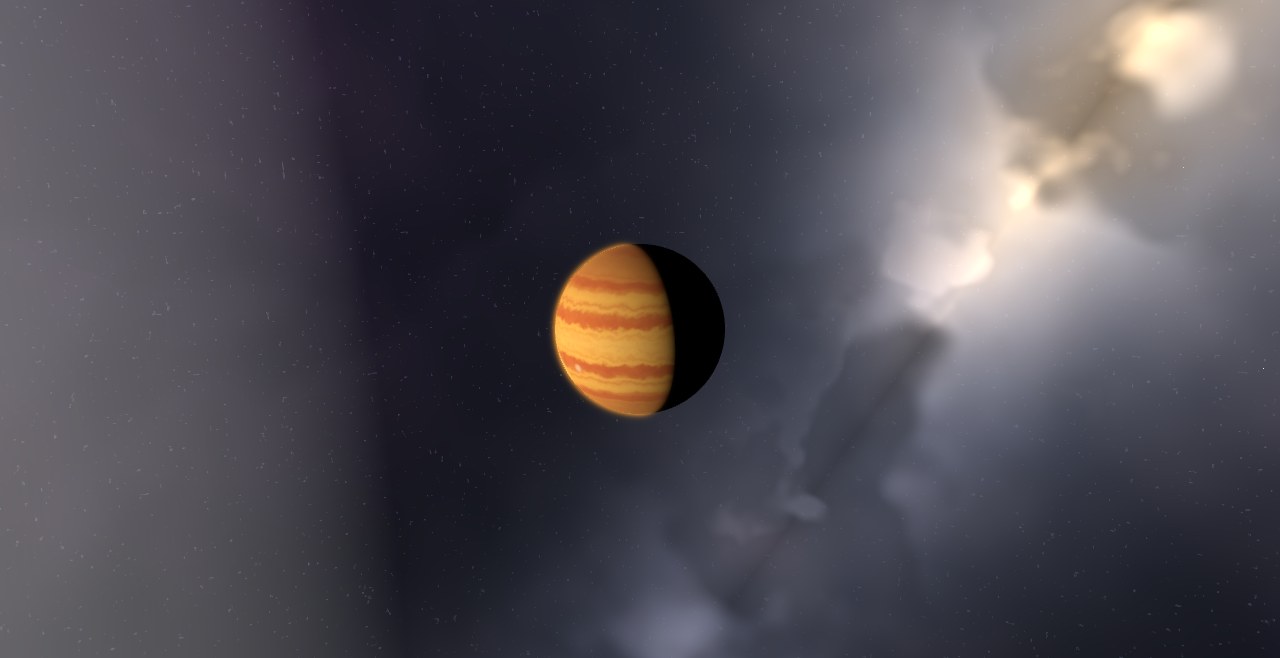
HAT-P-36, a Sun-like G-type star of 1.03 solar masses, and HAT-P-36 b, a 1.85-Jupiter-mass companion, with an orbital period of 1.3 days, at 0.024 AU from its star, and an equilibrium temperature near 1,781 K.
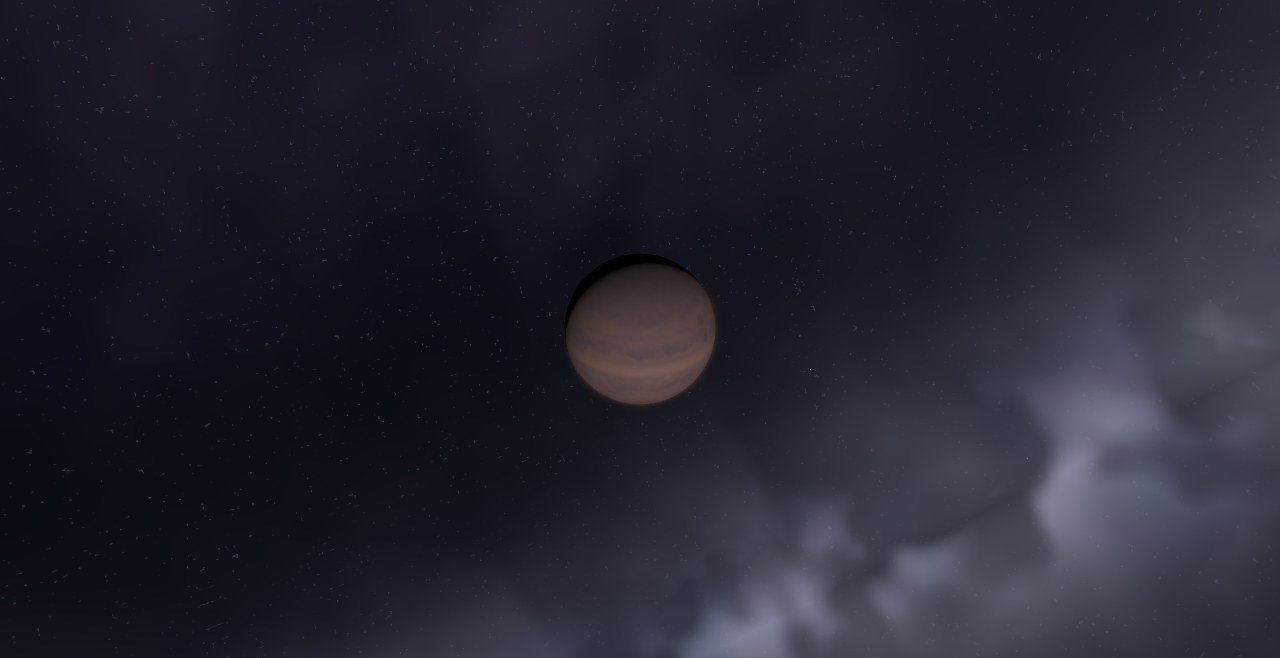
HAT-P-37, a Sun-like G-type star of 0.93 solar masses, and HAT-P-37 b, a 1.17-Jupiter-mass companion, with an orbital period of 2.8 days, at 0.038 AU from its star, and an equilibrium temperature near 1,271 K.
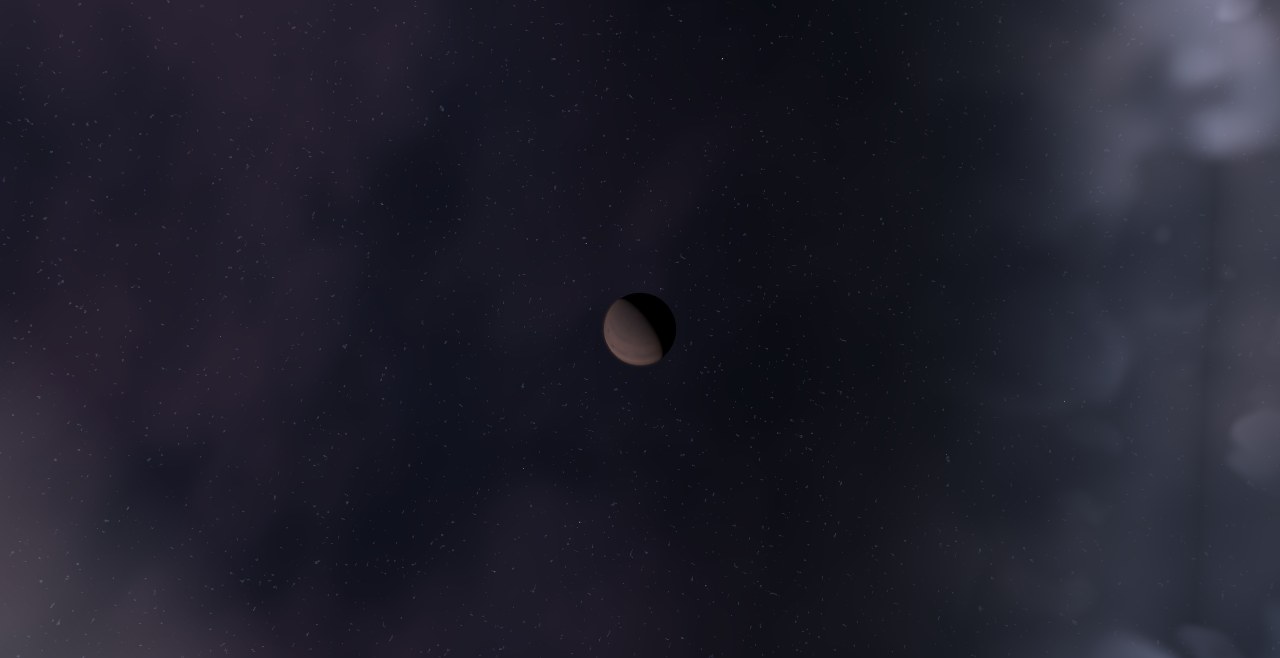
HAT-P-38, a Sun-like G-type star of 0.89 solar masses, and HAT-P-38 b, a 0.27-Jupiter-mass companion, with an orbital period of 4.6 days, at 0.052 AU from its star, and an equilibrium temperature near 1,082 K.
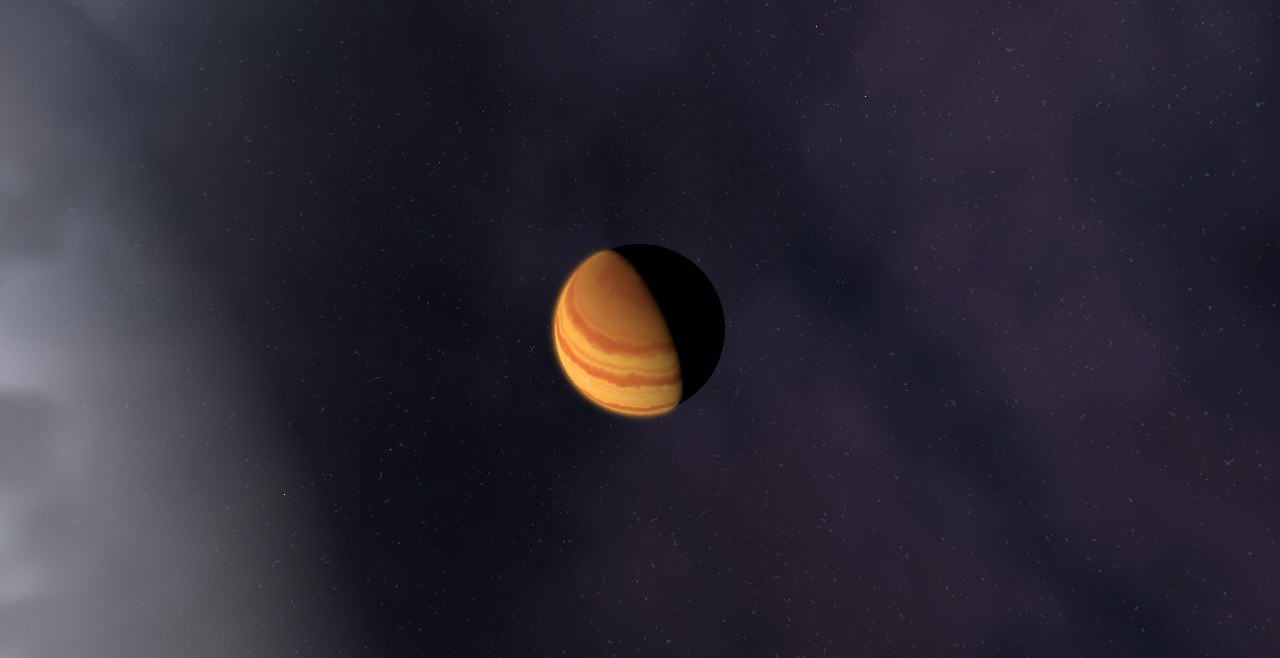
HAT-P-39, a Sun-like F-type star of 1.40 solar masses, and HAT-P-39 b, a 0.60-Jupiter-mass companion, with an orbital period of 3.5 days, at 0.051 AU from its star, and an equilibrium temperature near 1,752 K.
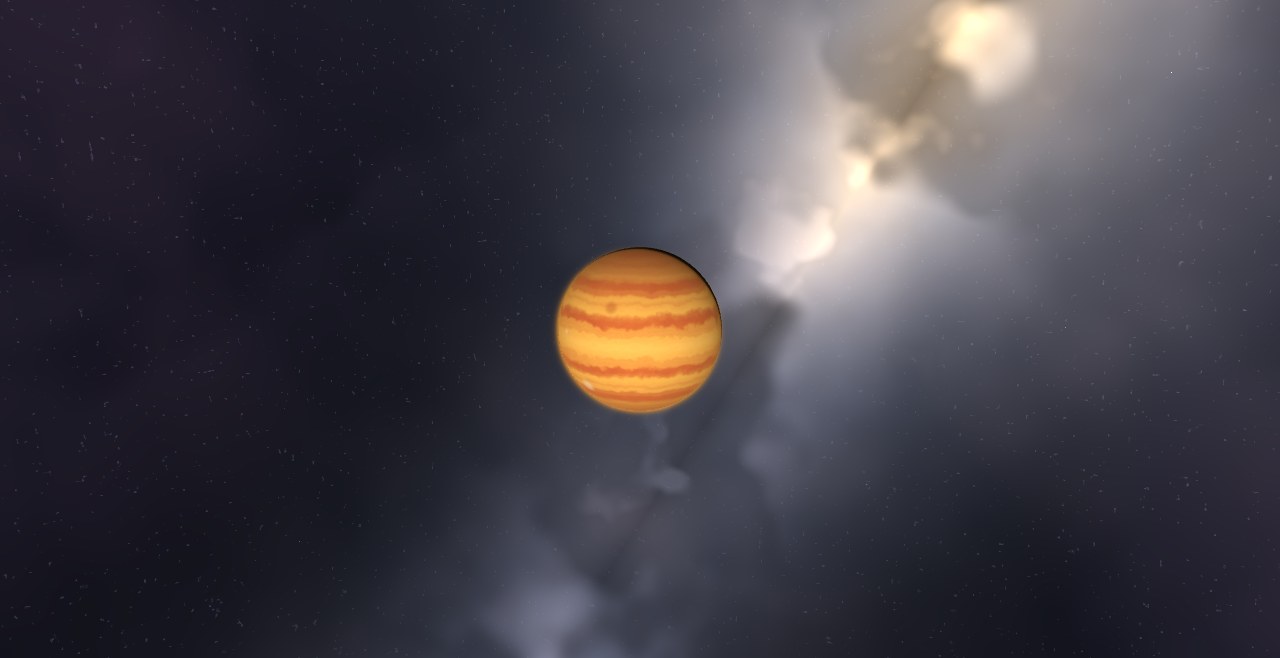
HAT-P-4, a Sun-like G-type star of 1.25 solar masses, and HAT-P-4 b, a 0.67-Jupiter-mass companion, with an orbital period of 3.1 days, at 0.044 AU from its star, and an equilibrium temperature near 1,686 K.
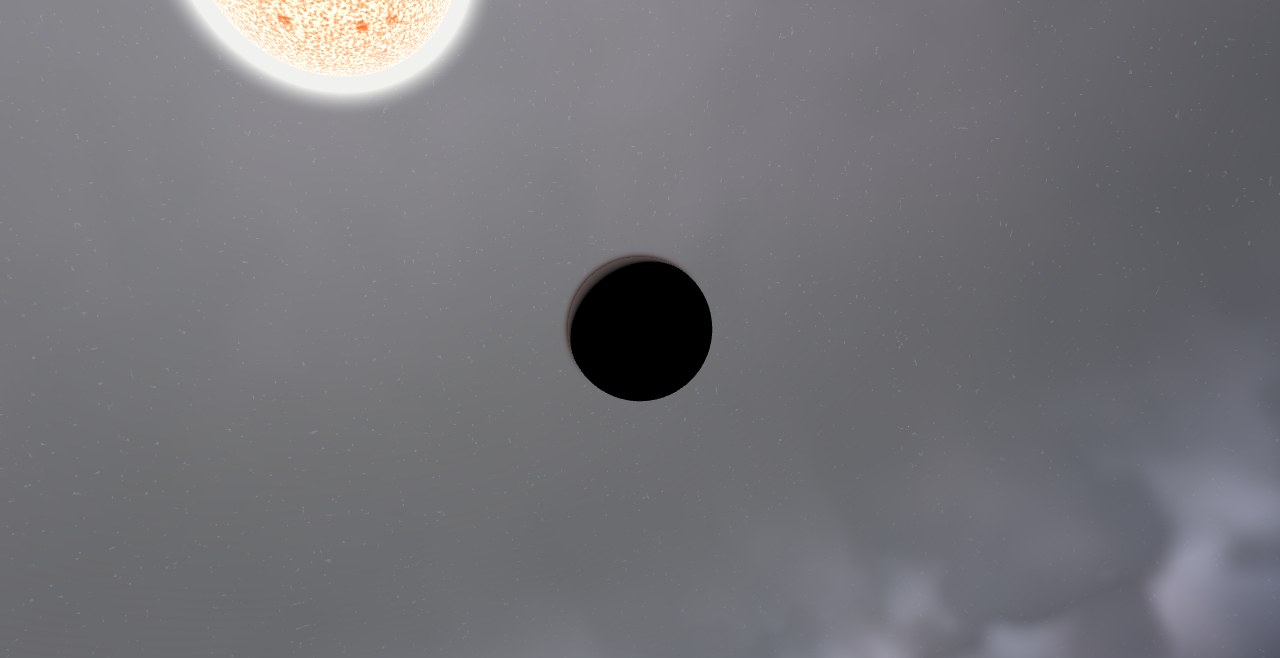
HAT-P-40, a Sun-like F-type star of 1.03 solar masses, and HAT-P-40 b, a 0.48-Jupiter-mass companion, with an orbital period of 4.5 days.
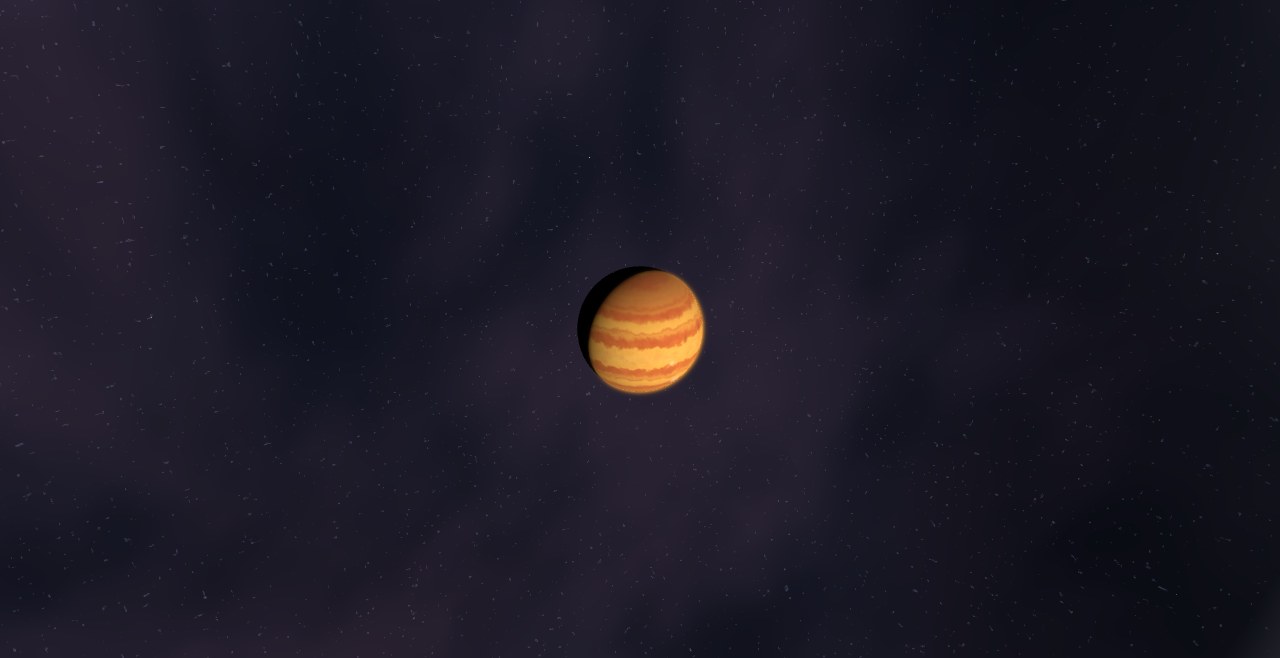
HAT-P-41, a Sun-like F-type star of 2.56 solar masses, and HAT-P-41 b, a 1.19-Jupiter-mass companion, with an orbital period of 2.7 days.