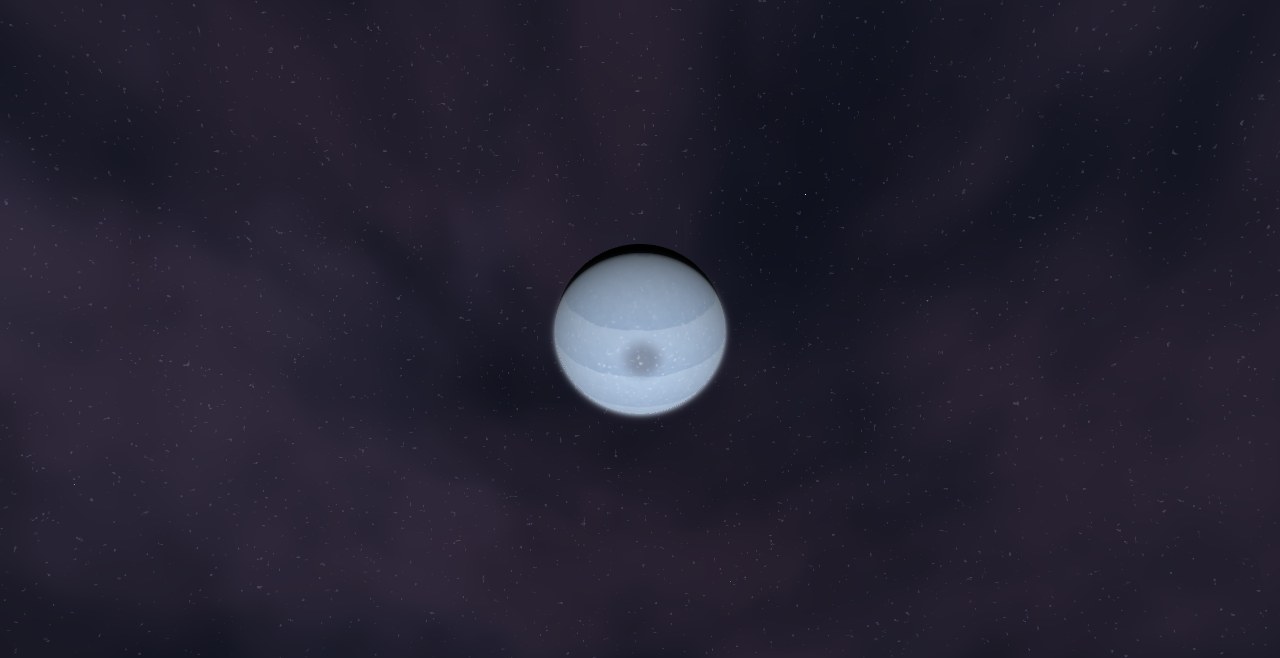
Kepler-1851 - System
Kepler-1851, a Sun-like G-type star of 0.97 solar masses, and Kepler-1851 b, a planet with 3.9 Earth radii, with an orbital period of 12.0 days.
3D Space and Gravity Simulator. Simulate the solar system, exoplanets and even colliding galaxies. Add, delete and modify planets, and change the laws of physics.
Share
Kepler-1851, a Sun-like G-type star of 0.97 solar masses, and Kepler-1851 b, a planet with 3.9 Earth radii, with an orbital period of 12.0 days.
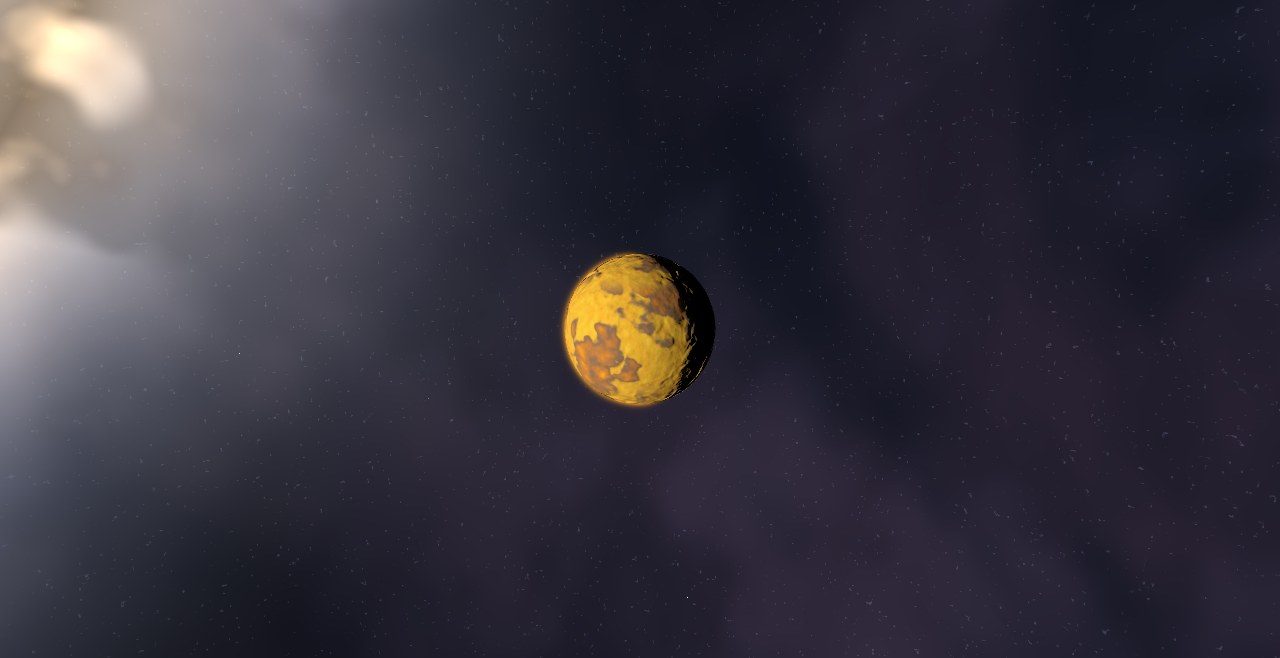
Kepler-1852, a Sun-like G-type star of 0.93 solar masses, and Kepler-1852 b, a planet with 1.9 Earth radii, with an orbital period of 8.0 days.
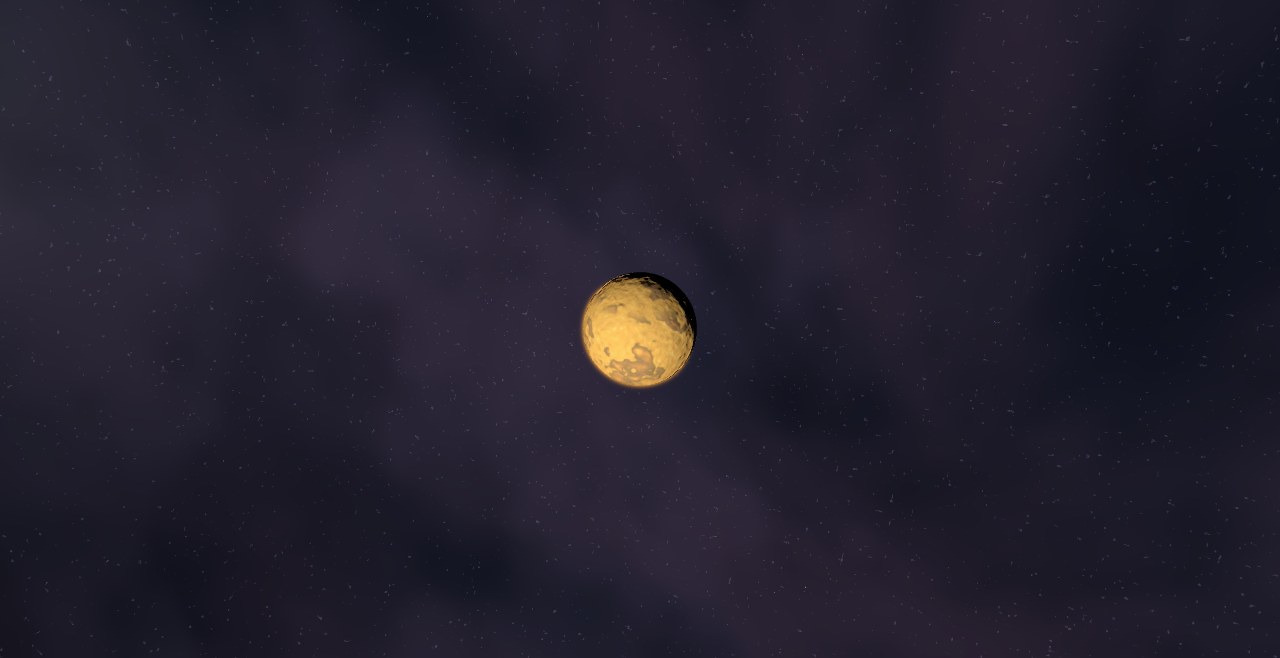
Kepler-1853, an orange K-type dwarf of 0.77 solar masses, and Kepler-1853 b, a planet with 1.5 Earth radii, with an orbital period of 48.9 days.
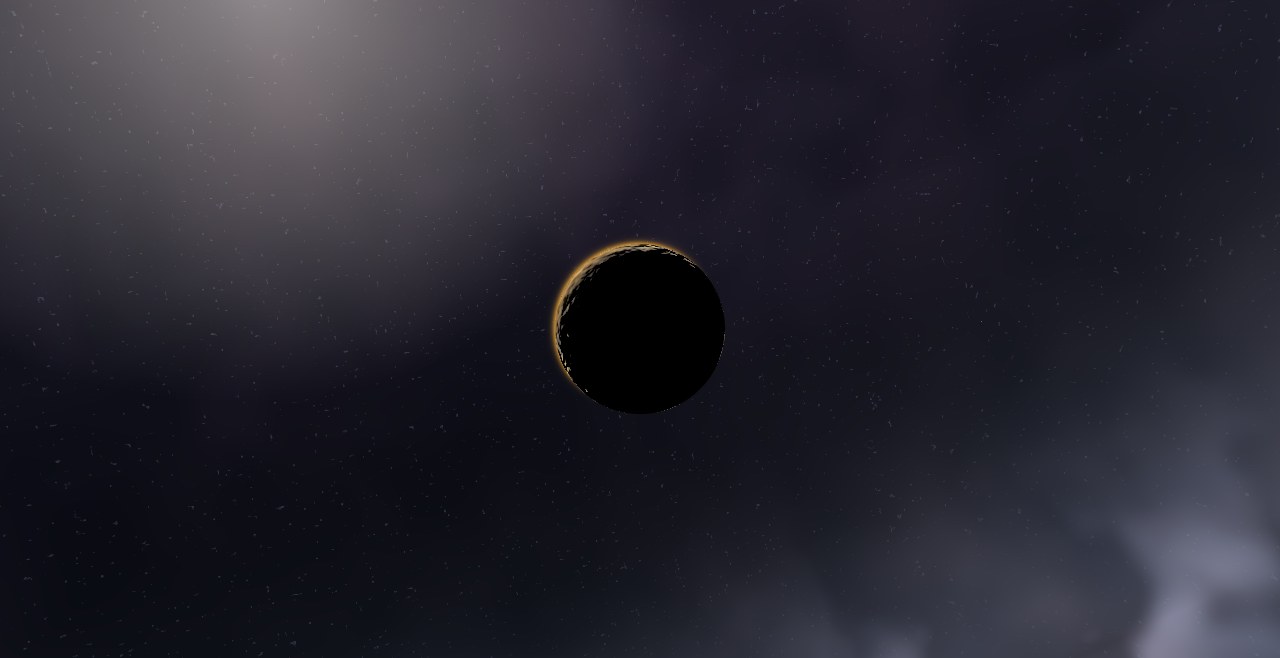
Kepler-1854, an orange K-type dwarf of 0.80 solar masses, and Kepler-1854 b, a planet with 2.6 Earth radii, with an orbital period of 39.8 days.
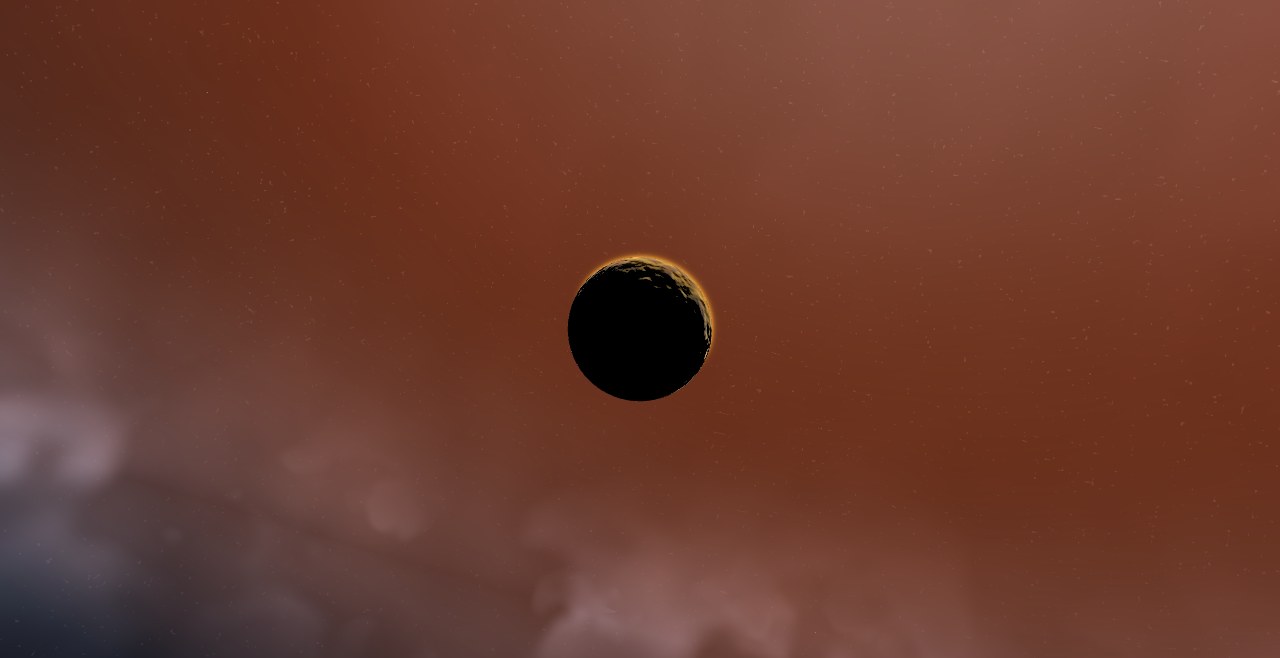
Kepler-1855, a cool M-dwarf of 0.39 solar masses, and Kepler-1855 b, a planet with 1.2 Earth radii, with an orbital period of 17.5 hours.
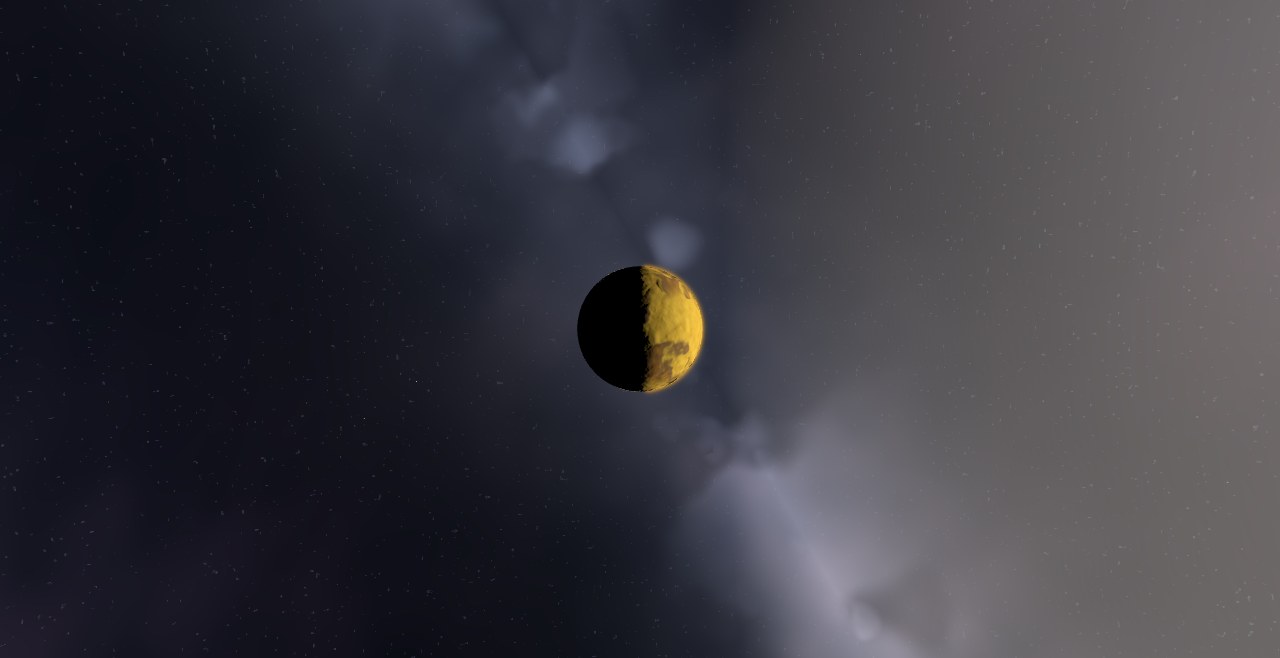
Kepler-1856, an orange K-type dwarf of 0.78 solar masses, and Kepler-1856 b, a planet with 1.7 Earth radii, with an orbital period of 1.3 days.
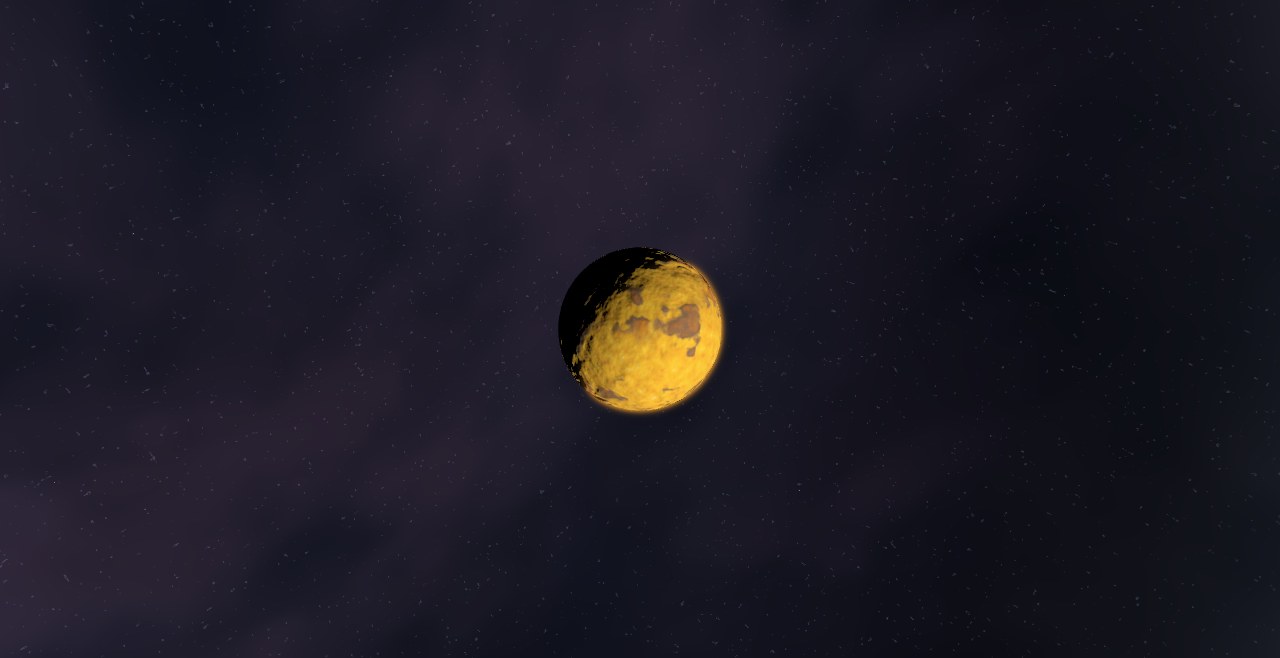
Kepler-1857, a Sun-like F-type star of 0.87 solar masses, and Kepler-1857 b, a planet with 2.0 Earth radii, with an orbital period of 8.9 days.
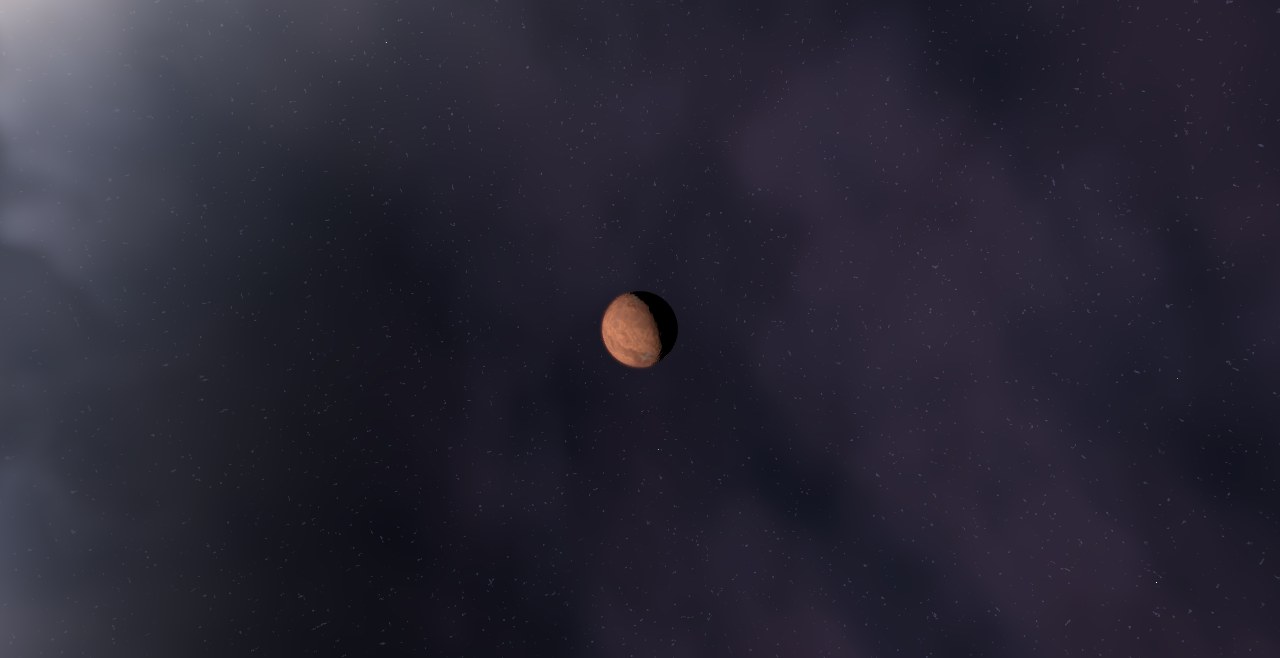
Kepler-1858, an orange K-type dwarf of 0.79 solar masses, and Kepler-1858 b, a planet with 2.4 Earth radii, with an orbital period of 88.1 days.
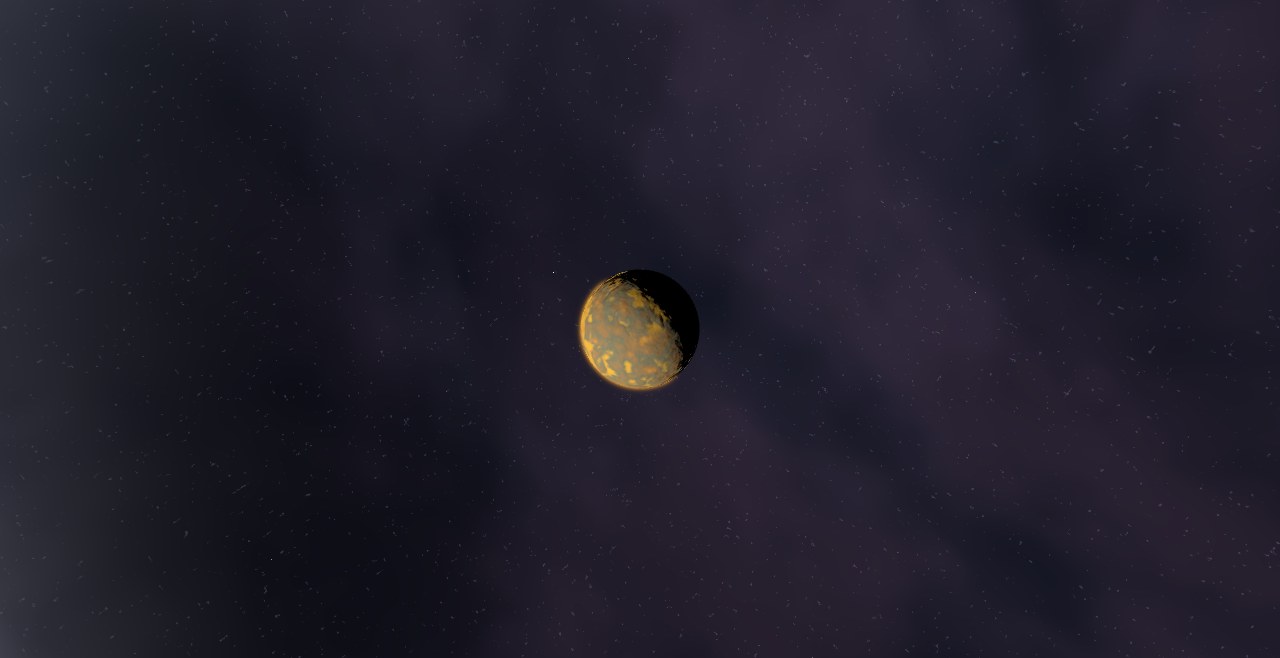
Kepler-1859, a Sun-like G-type star of 1.09 solar masses, and Kepler-1859 c, a planet with 1.7 Earth radii, with an orbital period of 3.6 days, at 0.047 AU from its star, and an equilibrium temperature near.
Kepler-186 f, the first Earth-sized planet found in a habitable zone. It is the outermost of five worlds around a cool red dwarf. The red-dwarf host lies about 580 light-years away.
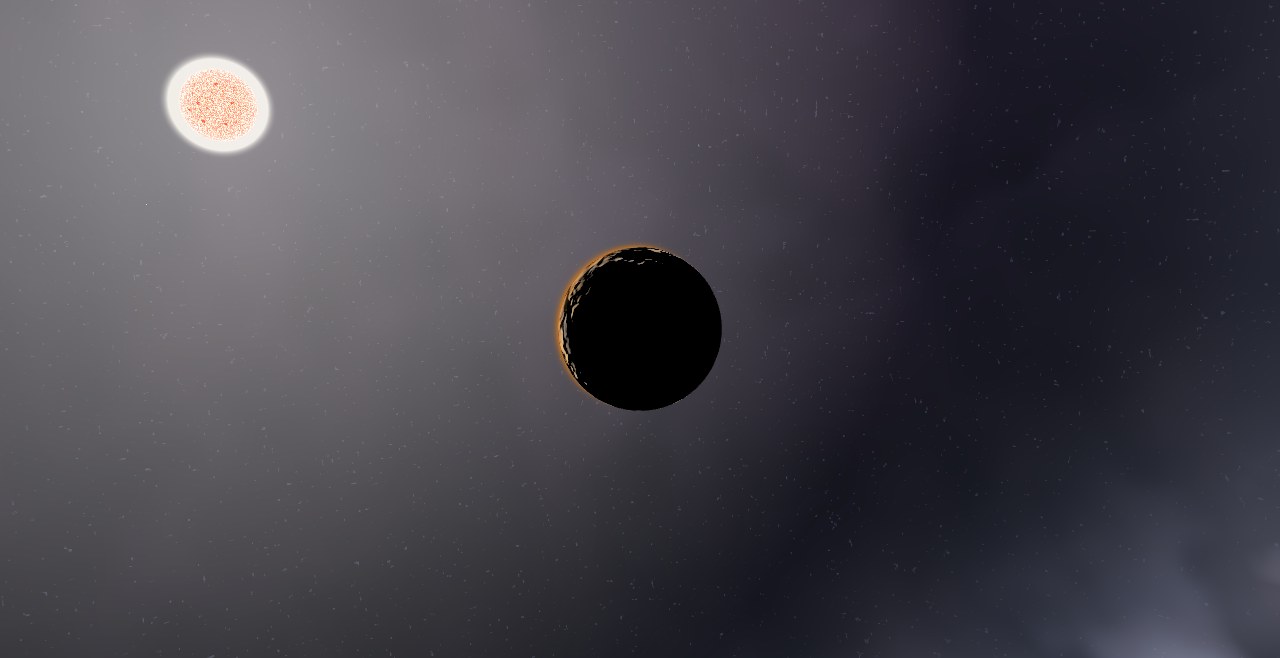
Kepler-1860, a Sun-like G-type star of 0.87 solar masses, and Kepler-1860 b, a planet with 1.1 Earth radii, with an orbital period of 12.7 days.
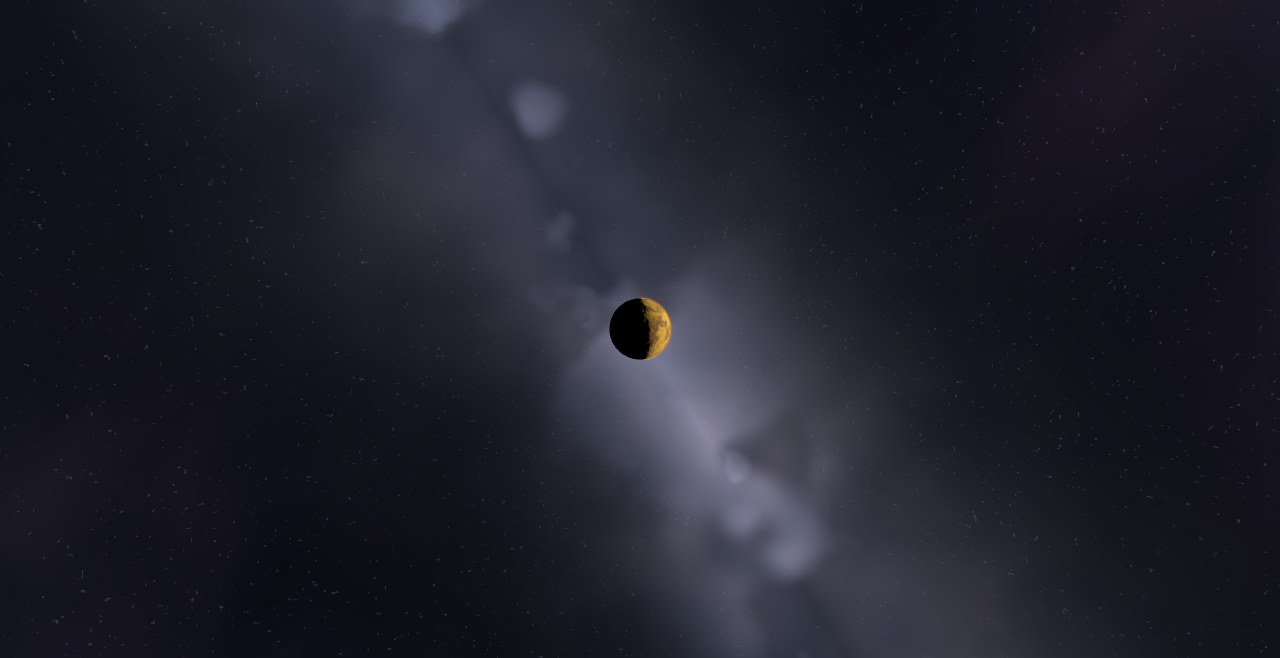
Kepler-1861, a Sun-like G-type star of 1.16 solar masses, and Kepler-1861 b, a planet with 2.2 Earth radii, with an orbital period of 40.0 days.
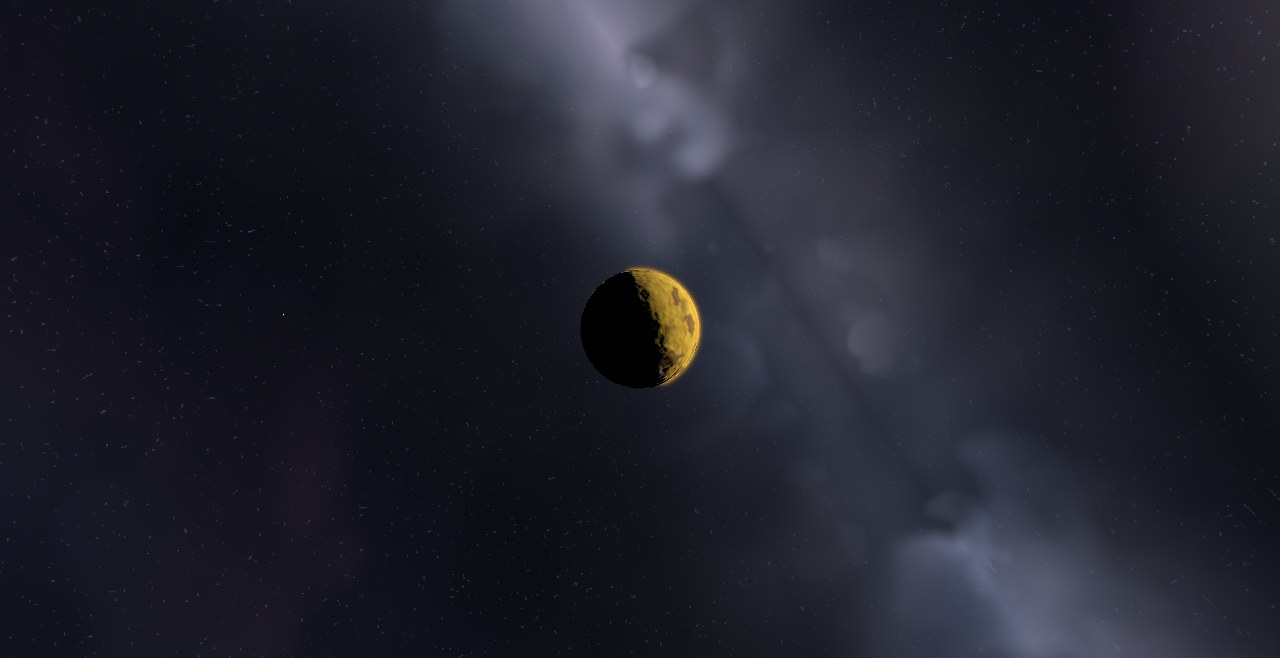
Kepler-1862, a Sun-like G-type star of 0.90 solar masses, and Kepler-1862 b, a planet with 2.2 Earth radii, with an orbital period of 16.1 days.
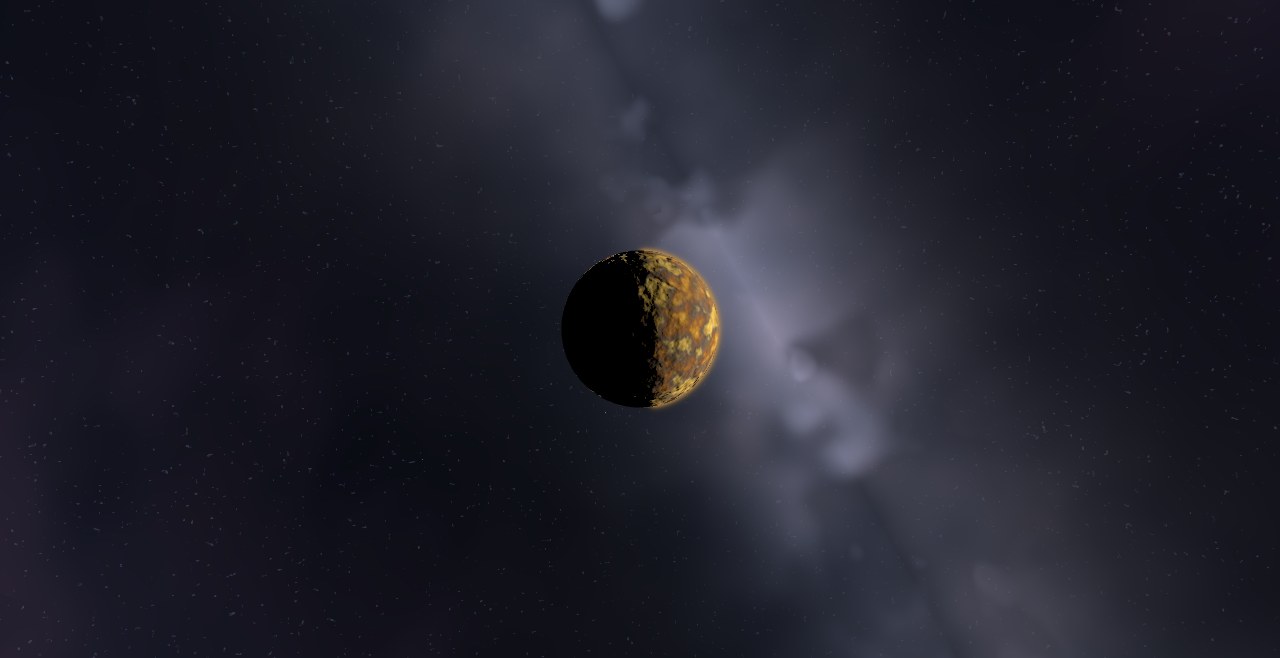
Kepler-1863, a Sun-like G-type star of 1.10 solar masses, and Kepler-1863 b, a planet with 2.3 Earth radii, with an orbital period of 45.0 days.
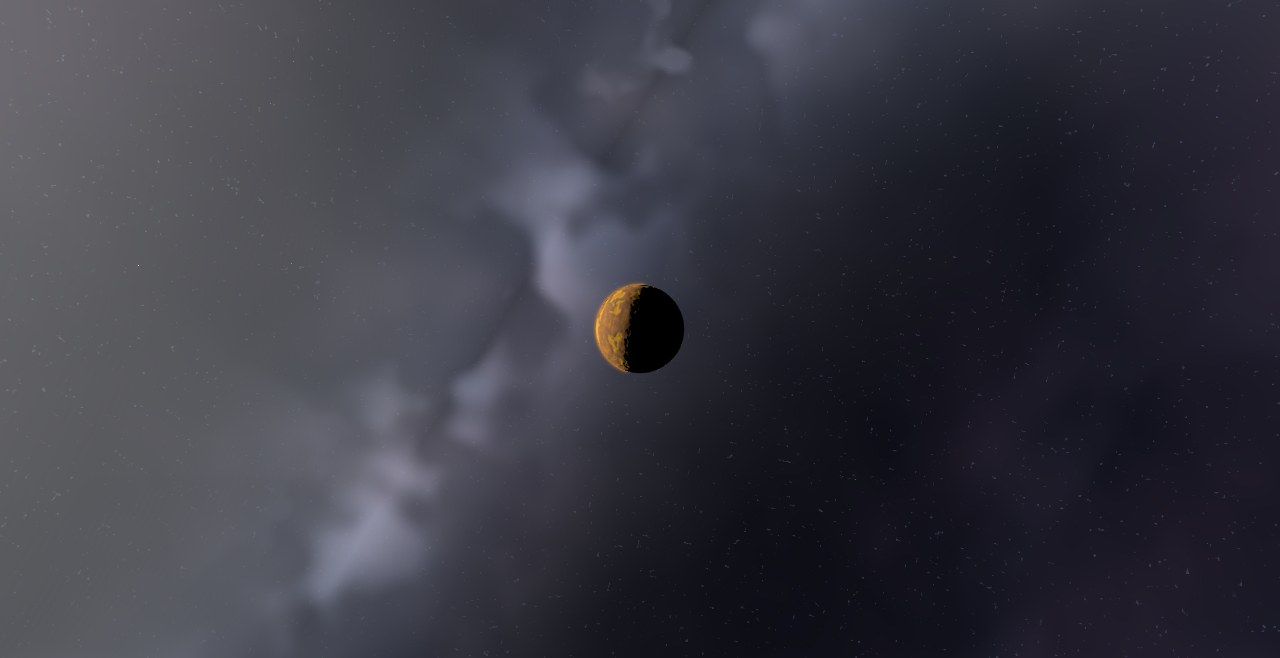
Kepler-1864, a Sun-like G-type star of 1.03 solar masses, and Kepler-1864 b, a planet with 0.8 Earth radii, with an orbital period of 3.9 days.
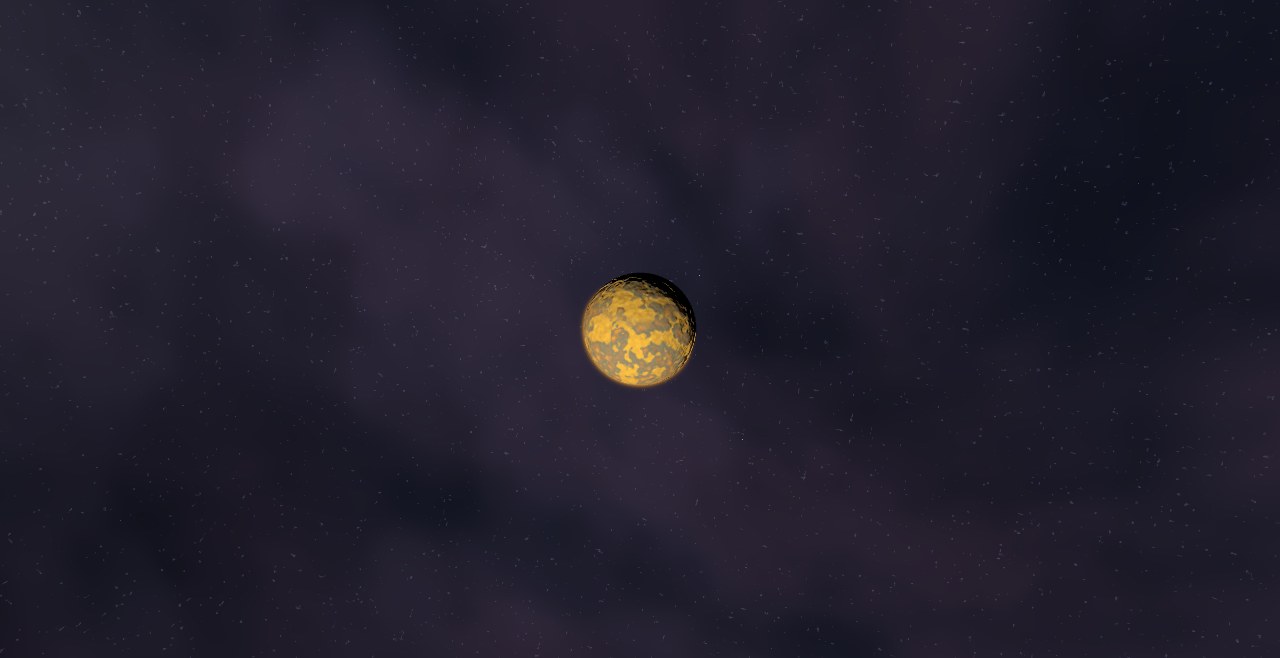
Kepler-1865, a Sun-like G-type star of 0.85 solar masses, and Kepler-1865 b, a planet with 1.6 Earth radii, with an orbital period of 2.5 days.
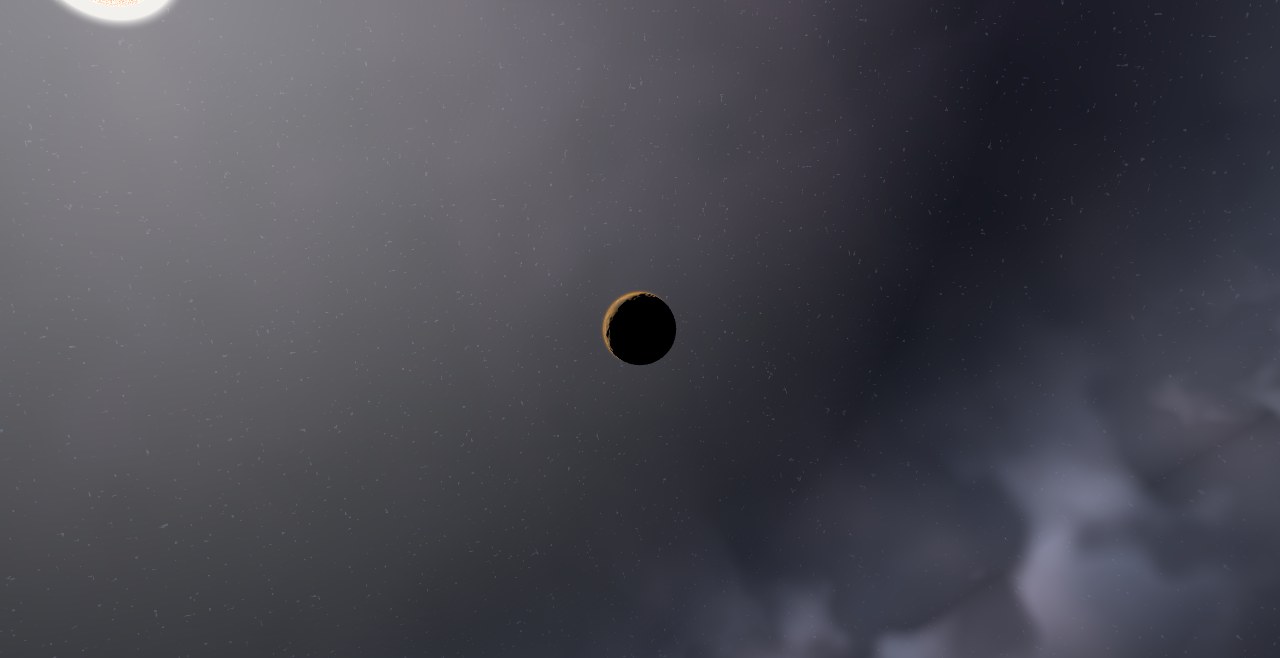
Kepler-1866, a Sun-like G-type star of 1.03 solar masses, and Kepler-1866 b, a planet with 2.1 Earth radii, with an orbital period of 11.7 days.
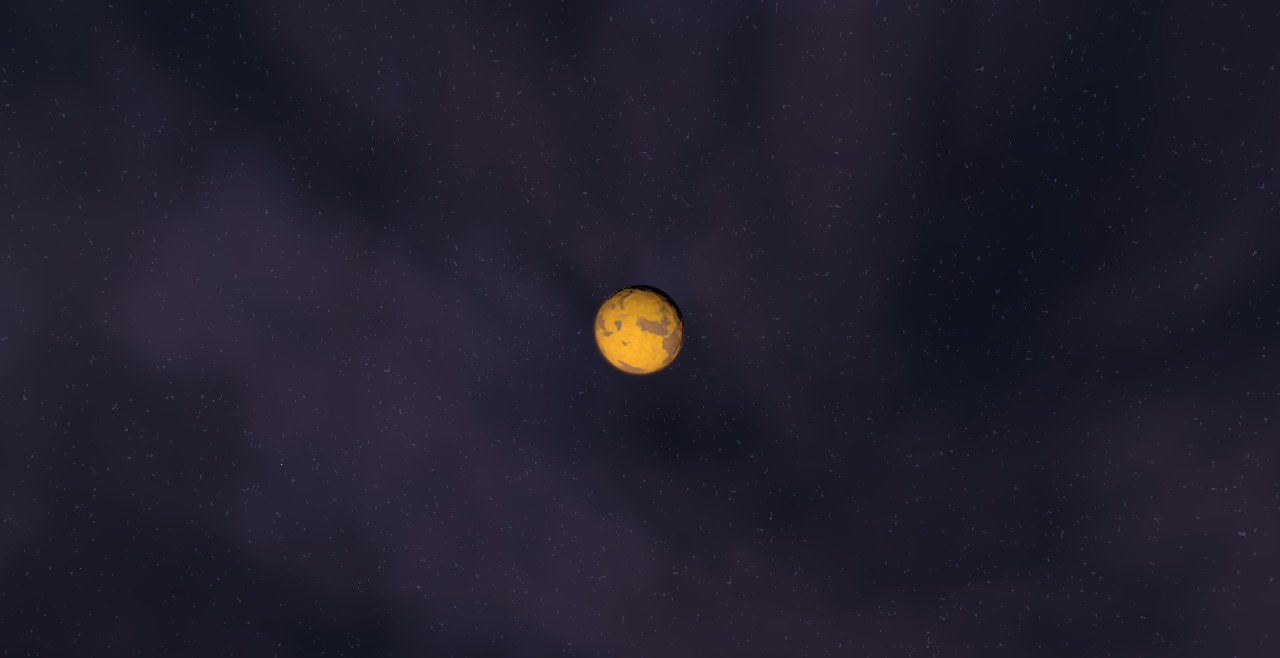
Kepler-1867, a Sun-like G-type star of 0.91 solar masses, and Kepler-1867 b, a planet with 1.2 Earth radii, with an orbital period of 9.9 days.