Kepler-1786 - System
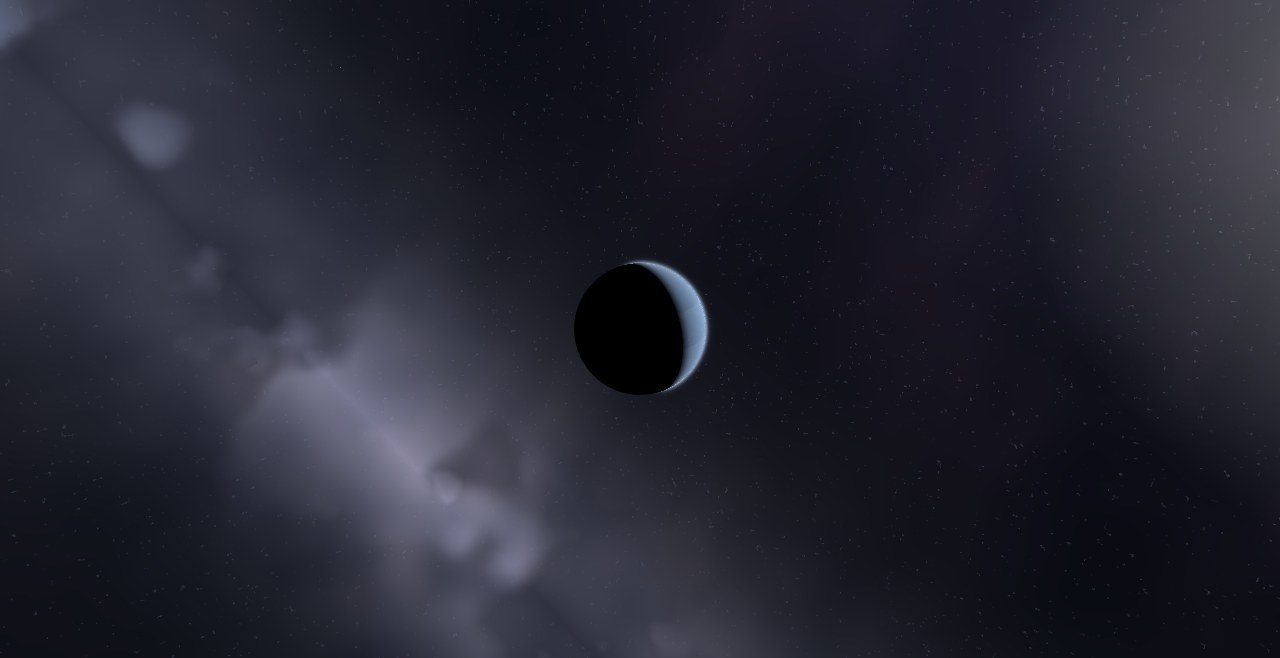
Kepler-1786, a Sun-like G-type star of 1.06 solar masses, and Kepler-1786 b, a planet with 3.2 Earth radii, with an orbital period of 78.5 days.
3D Space and Gravity Simulator. Simulate the solar system, exoplanets and even colliding galaxies. Add, delete and modify planets, and change the laws of physics.
Share
Kepler-1786, a Sun-like G-type star of 1.06 solar masses, and Kepler-1786 b, a planet with 3.2 Earth radii, with an orbital period of 78.5 days.
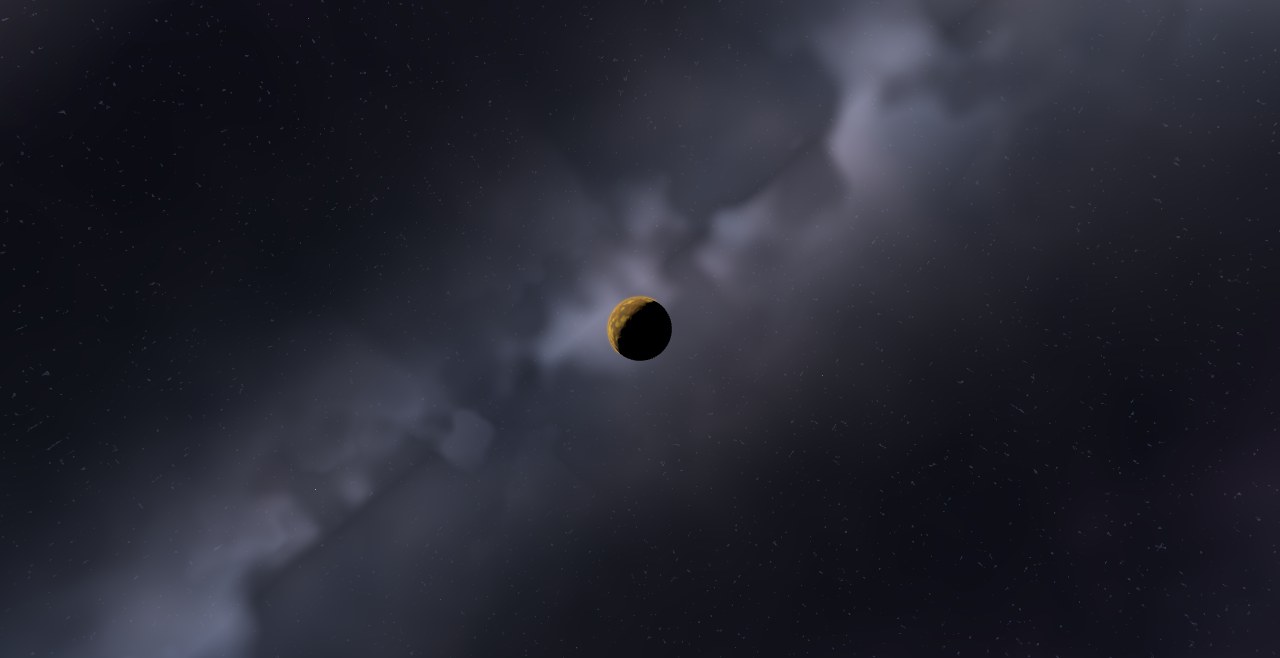
Kepler-1787, a Sun-like F-type star of 1.01 solar masses, and Kepler-1787 b, a planet with 2.3 Earth radii, with an orbital period of 39.3 days.
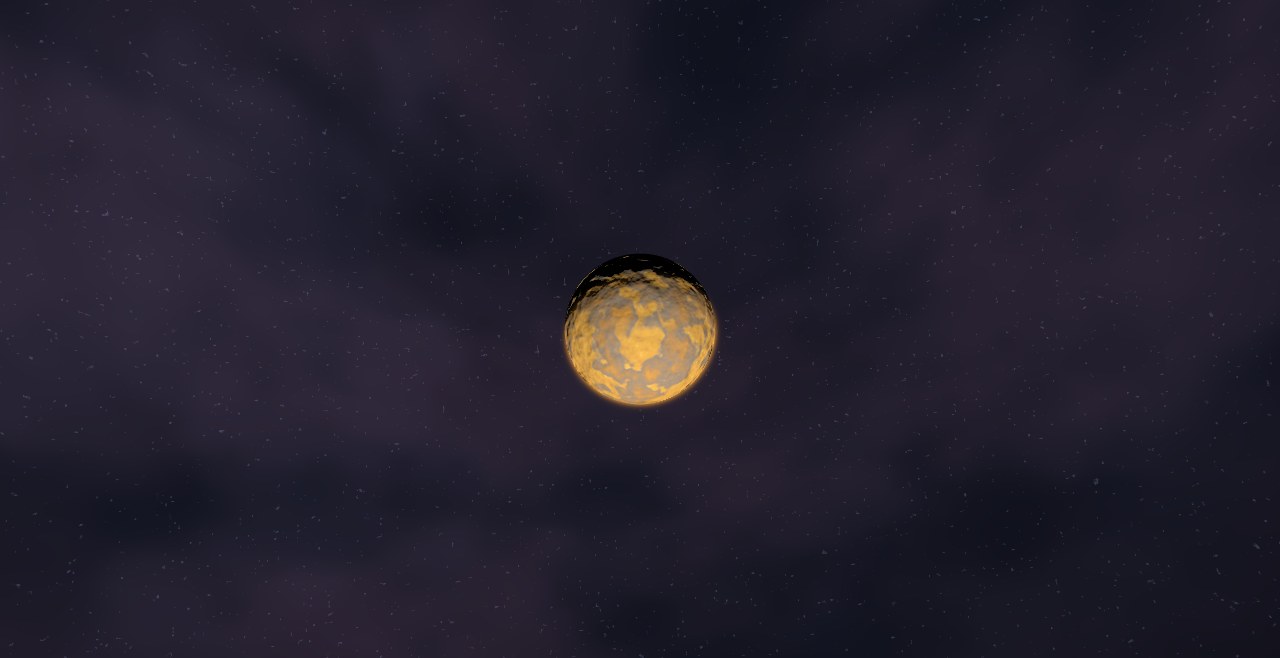
Kepler-1788, an orange K-type dwarf of 0.69 solar masses, and Kepler-1788 b, a planet with 2.4 Earth radii, with an orbital period of 2.8 days.
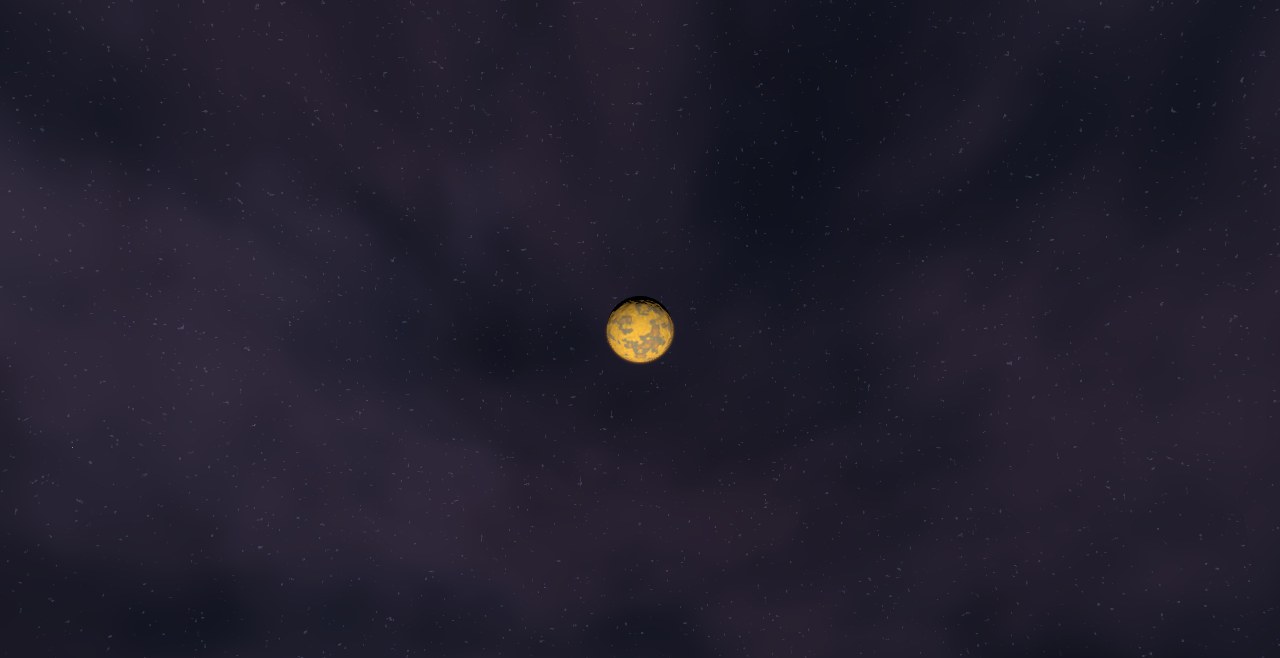
Kepler-1789, a Sun-like G-type star of 0.92 solar masses, and Kepler-1789 b, a planet with 2.8 Earth radii, with an orbital period of 80.2 days.
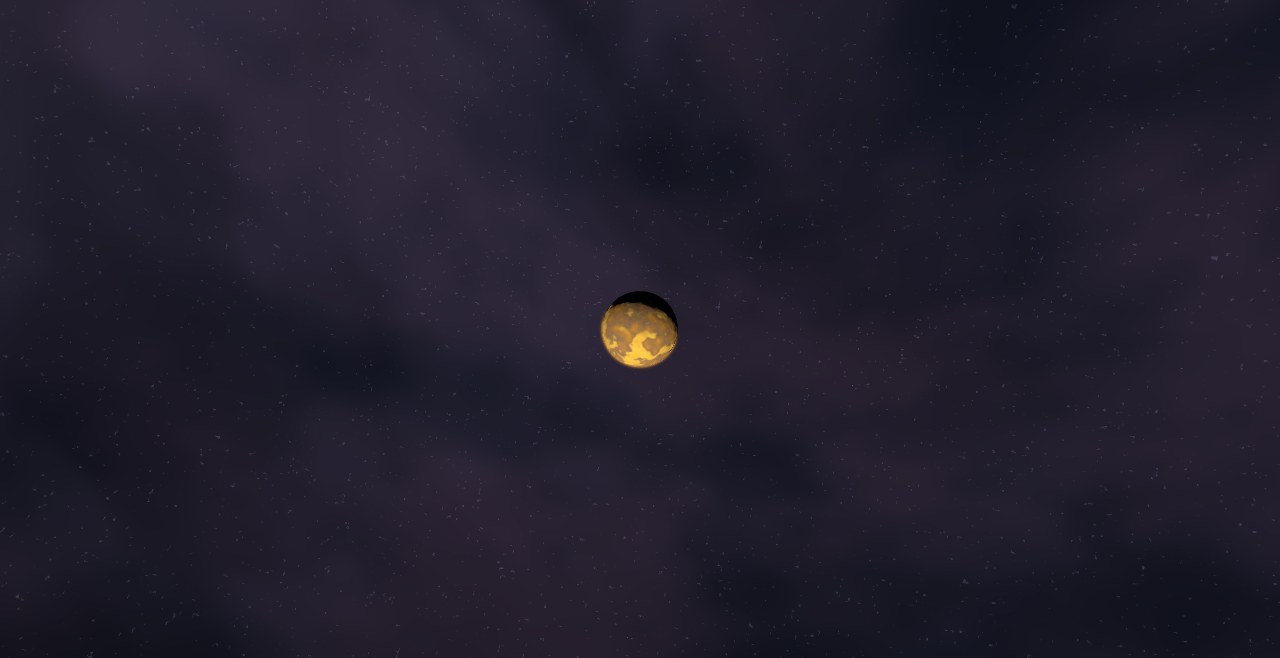
Kepler-179, a Sun-like G-type star of 0.89 solar masses, and Kepler-179 b, a planet with 1.6 Earth radii, with an orbital period of 2.7 days, at 0.036 AU from its star.
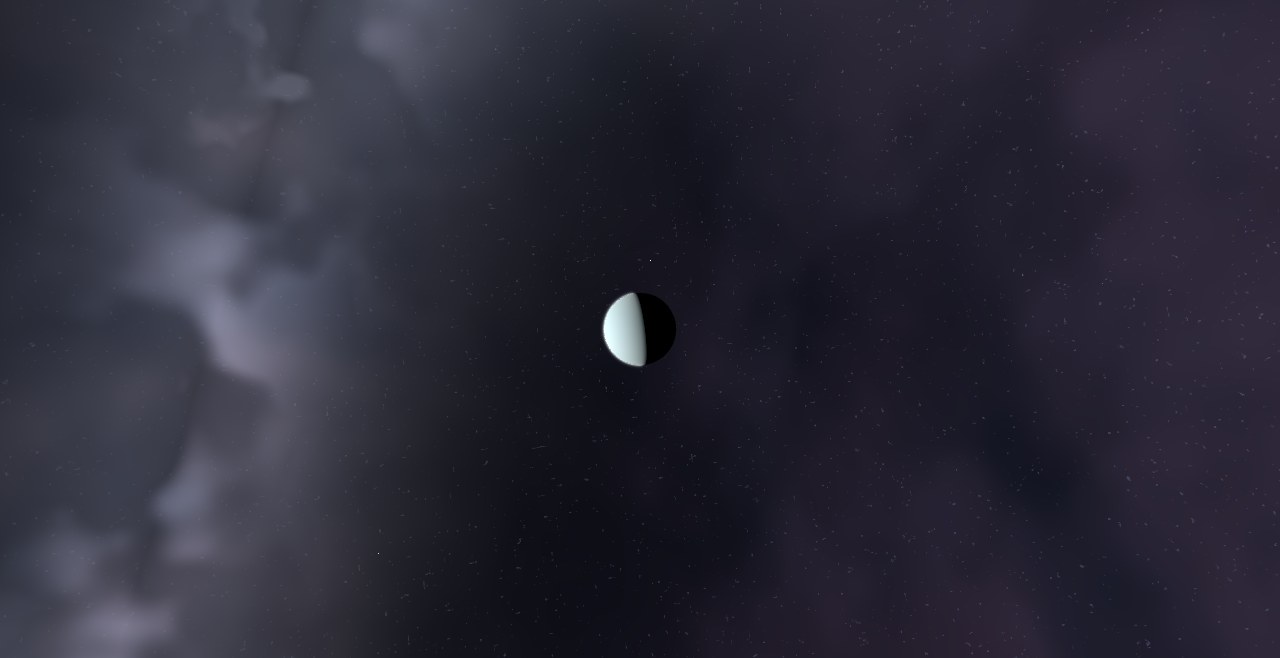
Kepler-1790, a Sun-like G-type star of 1.02 solar masses, and Kepler-1790 b, a planet with 3.1 Earth radii, with an orbital period of 31.6 days.
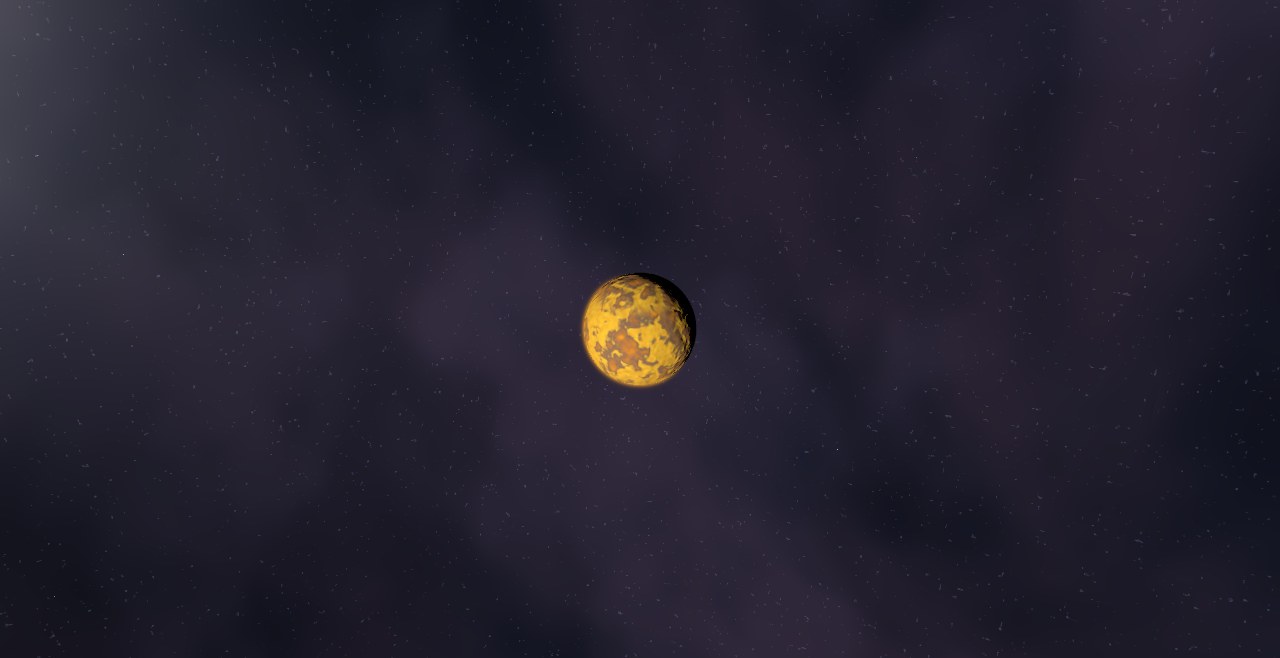
Kepler-1791, a Sun-like G-type star of 0.98 solar masses, and Kepler-1791 b, a planet with 3.1 Earth radii, with an orbital period of 7.7 days.
Kepler-1792, a Sun-like G-type star of 0.88 solar masses, and Kepler-1792 b, a planet with 2.5 Earth radii, with an orbital period of 4.2 days.
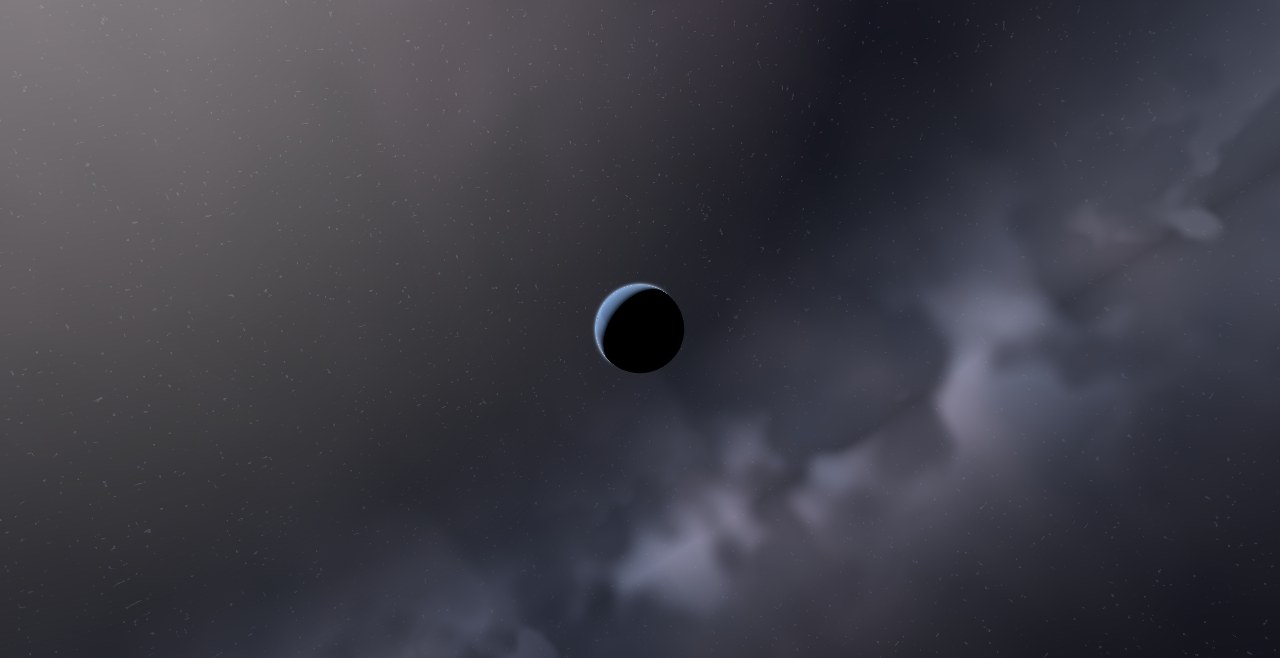
Kepler-1793, an orange K-type dwarf of 0.85 solar masses, and Kepler-1793 b, a planet with 3.8 Earth radii, with an orbital period of 8.8 days.
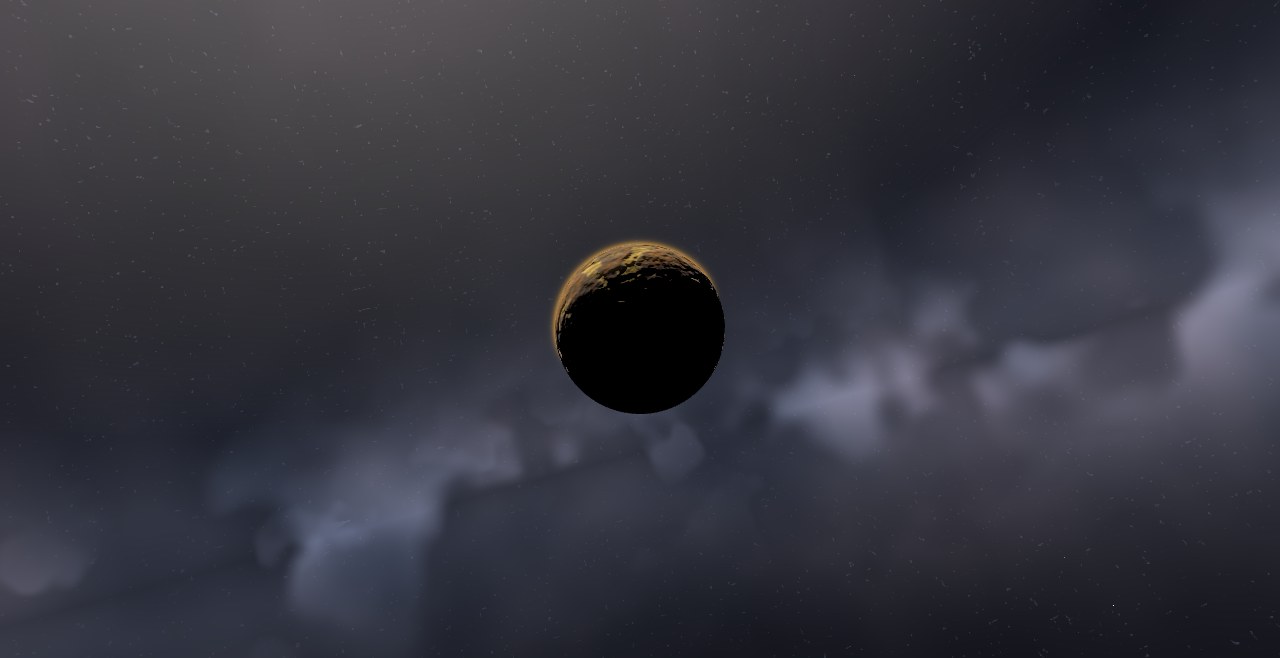
Kepler-1794, an orange K-type dwarf of 0.77 solar masses, and Kepler-1794 b, a planet with 1.8 Earth radii, with an orbital period of 9.8 days.
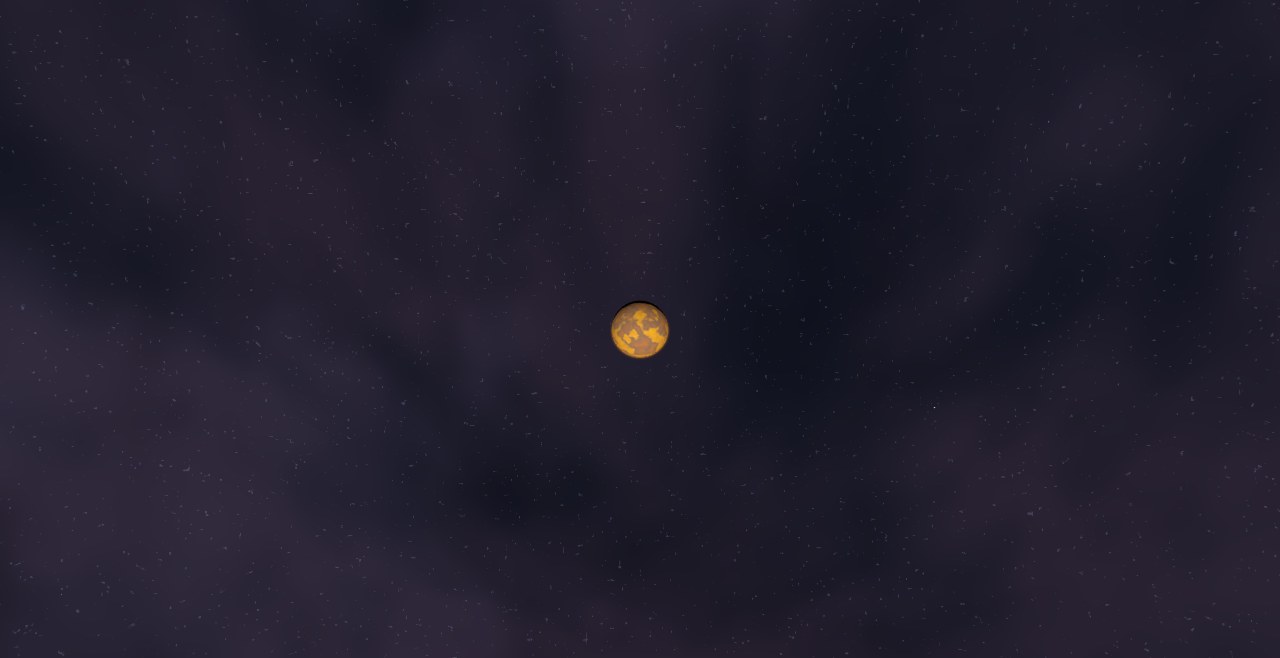
Kepler-1795, an orange K-type dwarf of 0.77 solar masses, and Kepler-1795 b, a planet with 1.7 Earth radii, with an orbital period of 13.4 days.
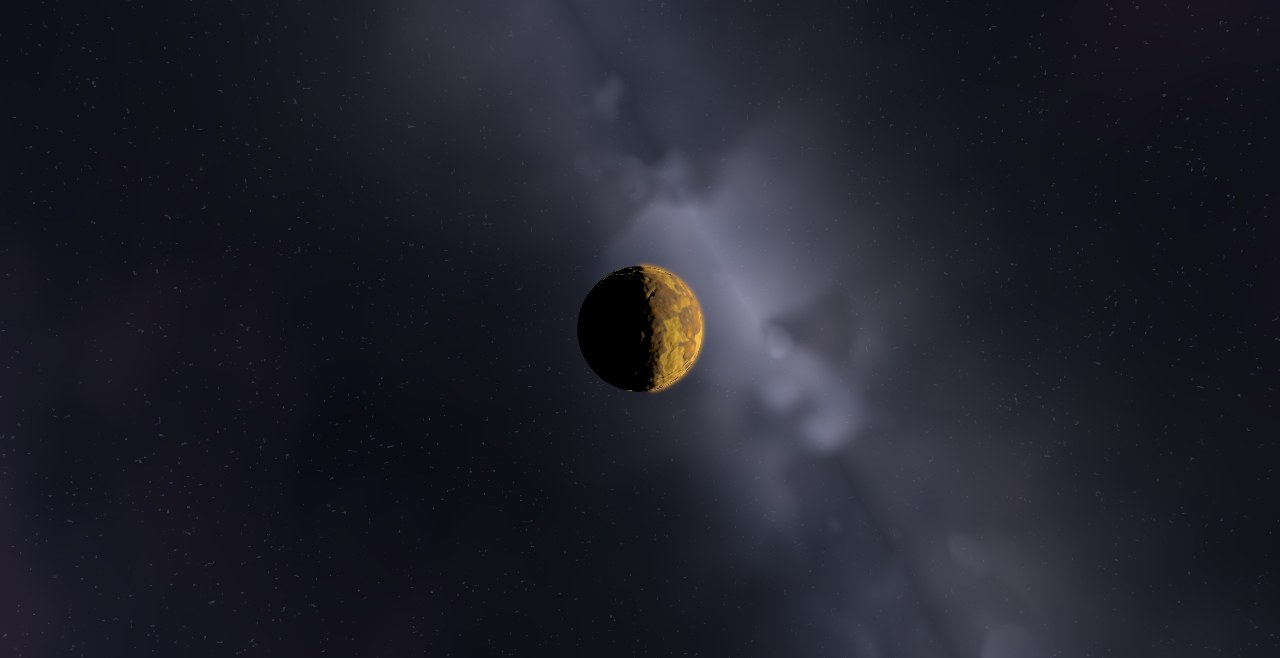
Kepler-1796, a Sun-like F-type star of 1.02 solar masses, and Kepler-1796 b, a planet with 2.8 Earth radii, with an orbital period of 29.5 days.
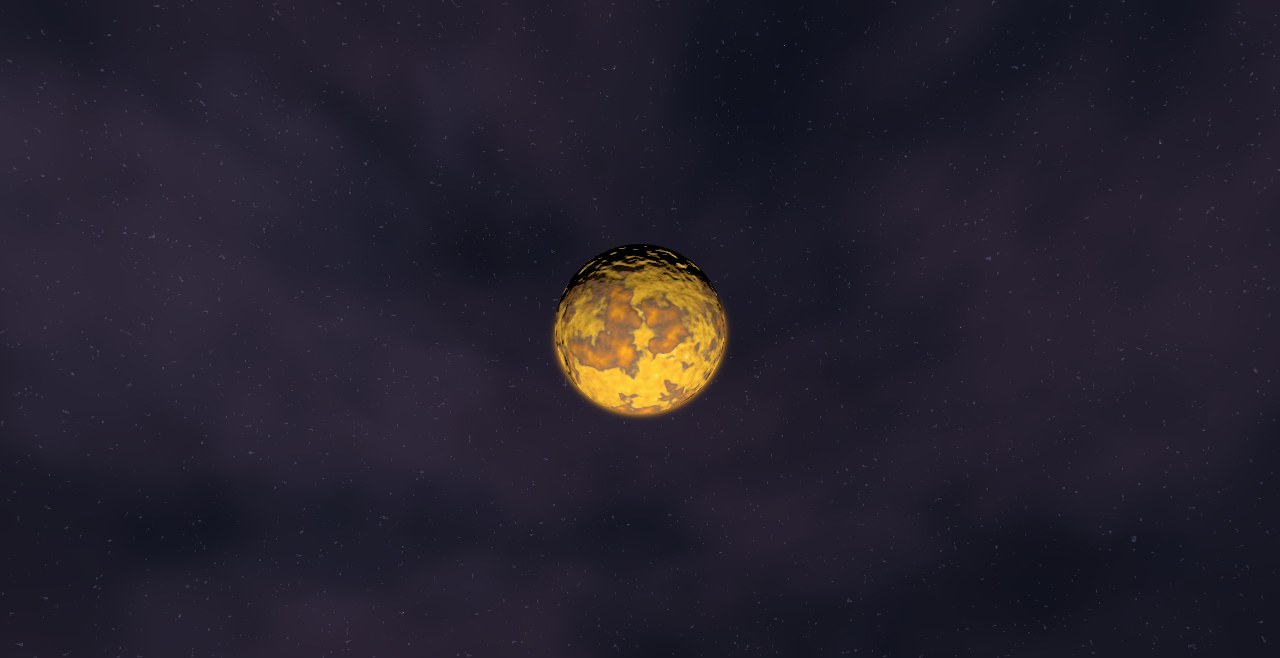
Kepler-1797, a Sun-like F-type star of 1.07 solar masses, and Kepler-1797 b, a planet with 3.1 Earth radii, with an orbital period of 23.4 days.
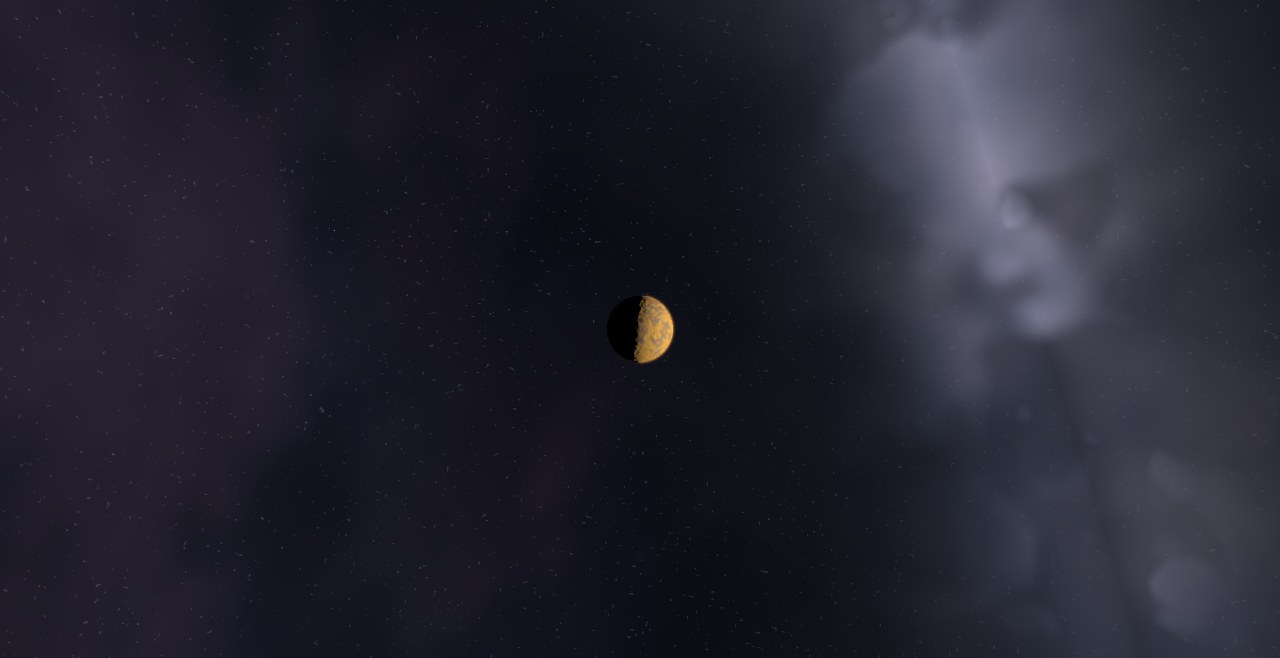
Kepler-1798, an orange K-type dwarf of 0.59 solar masses, and Kepler-1798 b, a planet with 2.3 Earth radii, with an orbital period of 16.9 days.
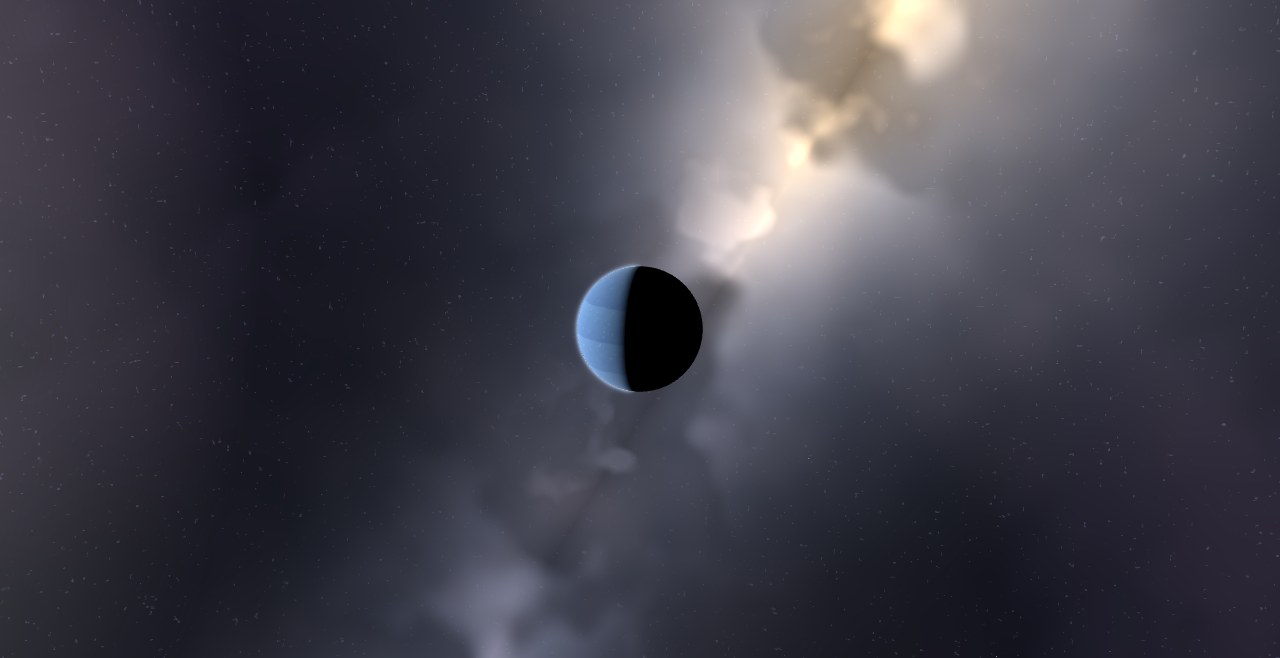
Kepler-1799, a Sun-like G-type star of 1.02 solar masses, and Kepler-1799 b, a planet with 4.1 Earth radii, with an orbital period of 11.9 days.
Kepler-18, a Sun-like G-type star of 0.97 solar masses, and Kepler-18 b, a 6.9-Earth-mass planet, with an orbital period of 3.5 days, at 0.045 AU from its star.
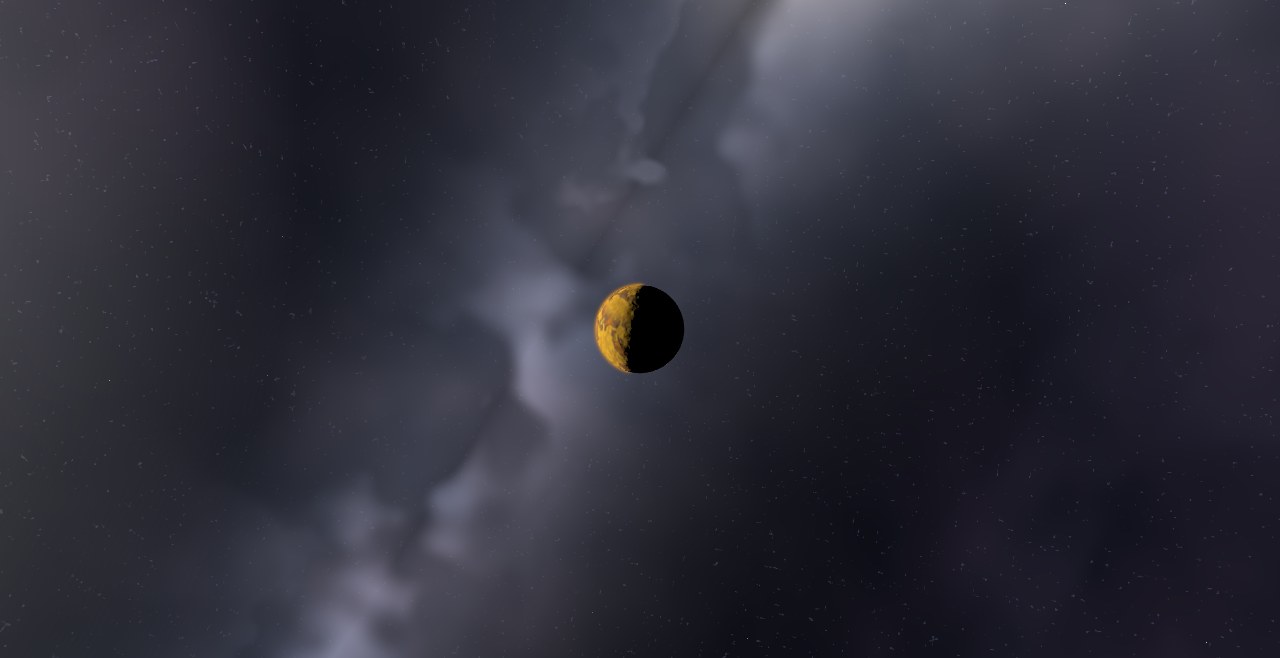
Kepler-180, a Sun-like G-type star of 0.95 solar masses, and Kepler-180 b, a planet with 1.5 Earth radii, with an orbital period of 13.8 days, at 0.109 AU from its star.
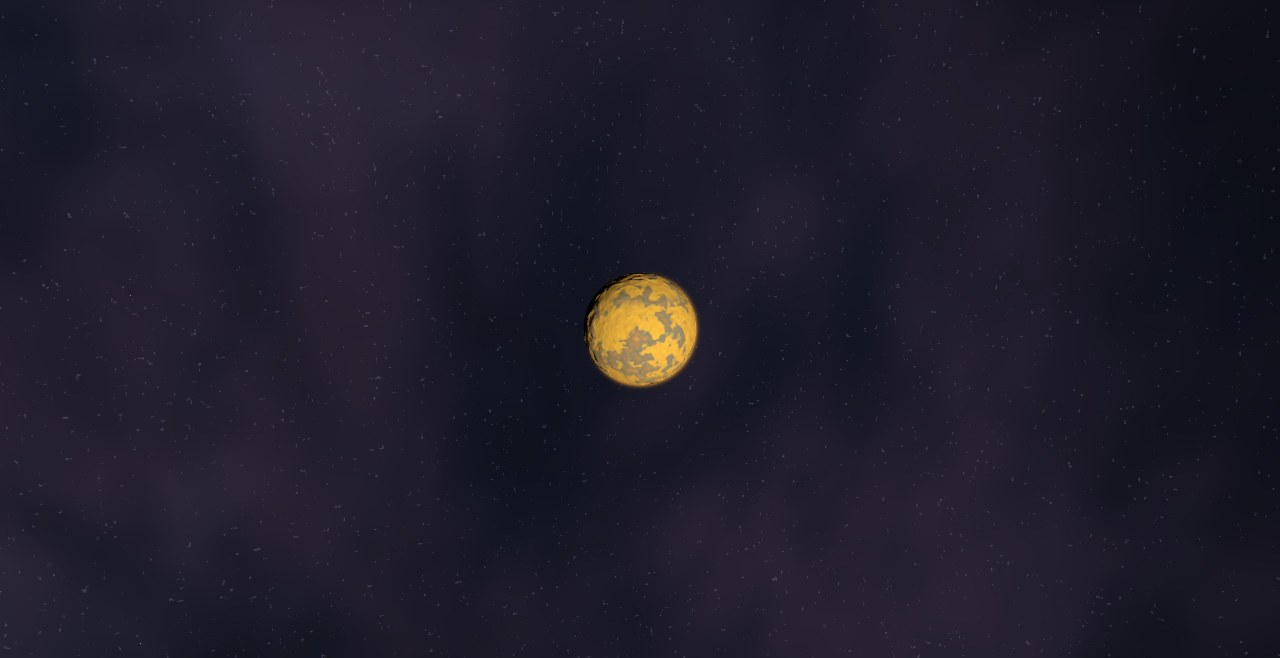
Kepler-1800, a Sun-like G-type star of 1.33 solar masses, and Kepler-1800 b, a planet with 1.0 Earth radii, with an orbital period of 4.6 days.